
Last updated October 16, 2026
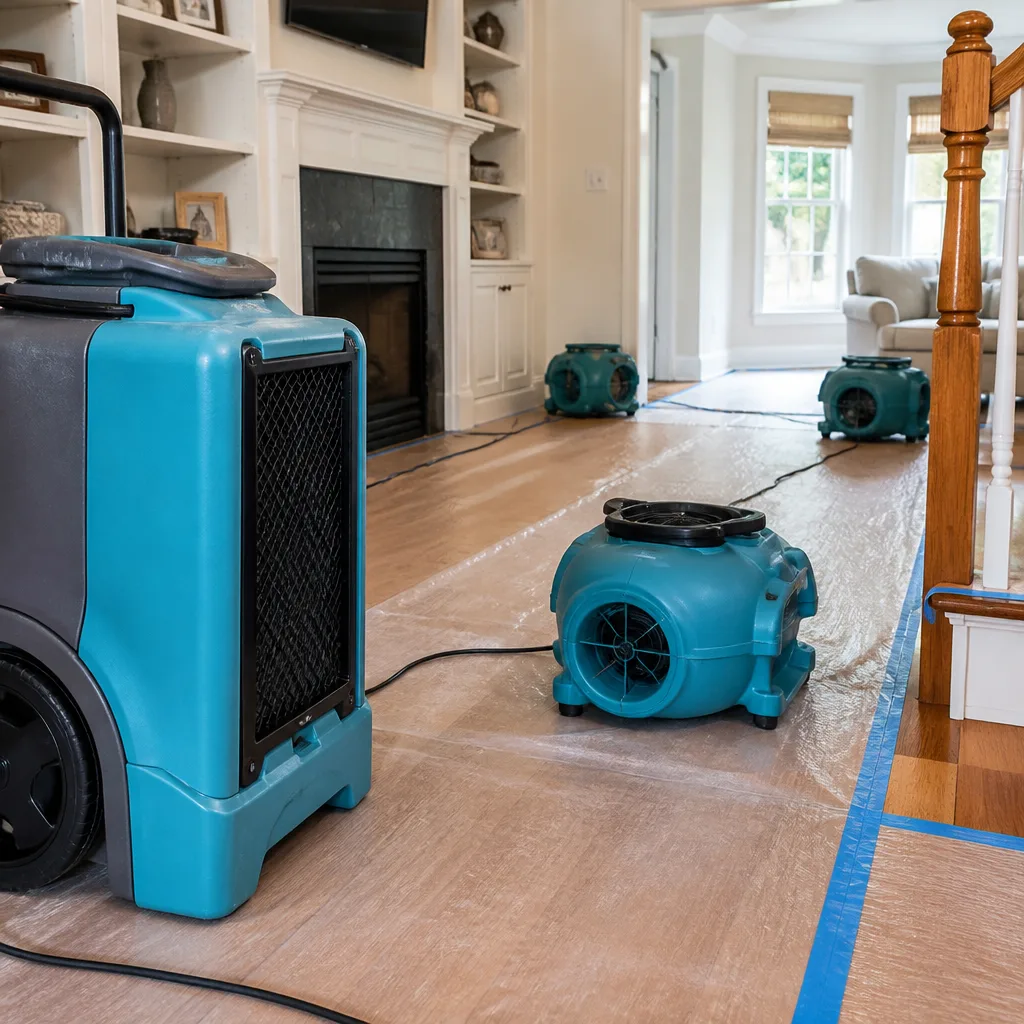 Water damage drying
 Fire & smoke cleanup
 Mold remediation
 Storm response
 Sewage cleanup
 Reconstruction
Free visual inspection and a written scope of work before any mitigation begins - photos, moisture readings, and drying logs go in your claim file
The scope we write is the scope we bill. Anything new gets shown to you, in writing, before we touch it.
Get your free estimateDamage Restoration Warning Signs: A Thousand Oaks Homeowner’s Reference Guide
The musty smell that Thousand Oaks homeowners often attribute to their HVAC system is frequently active mold colonization behind drywall, a condition that doubles remediation cost for every week it goes unaddressed. This guide walks through what each warning sign actually looks like, where it hides, and what it means in terms of urgency and cost. You’ll learn the difference between cosmetic staining and structural movement, which odors signal active mold versus settled dust, and when a symptom is a nuisance rather than an emergency. By the end, you’ll know which signs require a call today, which can wait for a scheduled inspection, and which are surface-level only.
Restoration work we handle
Quick Answer
The most reliable early warning signs of hidden damage in Thousand Oaks homes are persistent musty or earthy odors, paint bubbling or efflorescence on stucco walls, baseboard gaps that widen over a few months, and doors or windows that suddenly bind. These symptoms point to moisture intrusion, mold growth, or slab movement, and they all get more expensive the longer they’re ignored. If you see staining with a distinct odor, call (805) 309-3324 for a documented assessment.
Table of Contents
- Stucco Warning Signs: Efflorescence, Paint Bubbles, and Baseboard Gaps
- Mold Warning Signs That Appear Before Visible Growth
- Fire Damage Indicators That Show Up Months After a Fire
- Foundation and Slab Warning Signs on Thousand Oaks Hillsides
- Urgency Triage: What Needs a Call Today vs. What Can Wait
- How to Identify Odors by What They Mean
- Common Mistakes to Avoid
- When to Call a Professional
- Frequently Asked Questions
- The Bottom Line
Stucco Warning Signs: Efflorescence, Paint Bubbles, and Baseboard Gaps
Thousand Oaks is stucco country. The majority of homes built here from the 1960s through the 2000s use three-coat stucco over wood framing or paper-backed lath, and that construction method has a specific failure pattern when water gets behind it. The signs are visible, but only if you know what you’re looking at. In our experience across Thousand Oaks neighborhoods like Newbury Park, Lynn Ranch, and Wildwood, the same three indicators show up again and again before a repair becomes a remodel.
Efflorescence patterns. Efflorescence is the white, chalky residue that appears on stucco when water moves through masonry and carries dissolved salts to the surface. A light, even haze across a wall after rain is often cosmetic. But efflorescence that forms in distinct vertical streaks, or in a horizontal band that follows a roofline or window line, tells a different story. That pattern means water is traveling along a specific path behind the stucco, usually from a failed flashing, a cracked parapet cap, or a clogged weep screed at the base of the wall. The streak itself is a map. It shows exactly where the water is going.
Paint bubble location mapping. When moisture gets trapped between stucco and paint, the paint blisters and peels. One bubble near a hose bib is probably just that: a drip from the hose bib. But when you plot every paint bubble on an exterior wall and they form a line or a cluster around a window, a door, or a roofline, you’ve found the entry point. Draw the map before you scrape anything. The pattern matters more than any individual bubble. Bubbles that appear in the middle of a wall, away from penetrations, are rarer and more serious. That usually means condensation inside the wall cavity or a leak inside a plumbing chase.
Baseboard gap progression. Inside the house, watch the gap between baseboards and flooring. In Thousand Oaks, where summer temperatures swing from cool marine mornings to hot inland afternoons, some seasonal movement is normal. Wood expands and contracts. But the warning sign is progression. If the gap at the bottom of a baseboard was a sixteenth of an inch in April and a quarter inch by September, the baseboard itself is absorbing moisture and swelling. Photograph it once a month for three months with a coin in the frame for scale. If the gap is growing while the weather is dry, you have a water source somewhere behind that wall.
These stucco-specific signs are part of what our team documents during a Water Damage Restoration in Thousand Oaks assessment. The documentation itself becomes evidence for your insurance claim.
Mold Warning Signs That Appear Before Visible Growth
By the time you see mold, the colony has been growing for weeks or months. The visible patch is the reproductive structure, not the organism. Long before that patch appears, mold announces itself through odor, HVAC behavior, and the health of the people living in the house. Thousand Oaks homeowners miss these early signals because they attribute them to other things: a dirty air filter, seasonal allergies, a musty closet that just needs airing out.
Odor characteristics by mold type. Mold odors are not all the same. Common indoor molds in Thousand Oaks homes produce distinguishable smells. Aspergillus and Penicillium, the two most common species found behind drywall after plumbing leaks, give off a damp, earthy smell similar to wet cardboard or decaying leaves. Stachybotrys, the species commonly called black mold, has a much sharper, more acrid smell, closer to stale cigarette smoke or damp wood that has been wet for a long time. Cladosporium, often found around windows and HVAC registers, has a milder odor, like a damp basement or old upholstery. The key isn’t identifying the species by smell alone. The key is recognizing that a persistent odor that doesn’t clear up with cleaning and ventilation is a signal that something is growing somewhere you can’t see.
HVAC symptom patterns. Your HVAC system is the most honest reporter of hidden mold in a Thousand Oaks home. When mold is growing inside ductwork, inside the air handler, or in a wall cavity near a return vent, the system pushes that air through the house every time it cycles. The symptom pattern is consistent: the odor is strongest right after the system turns on, then fades after a minute or two. If you notice that your house smells fine all day but gets a musty blast right when the AC kicks on, that’s an HVAC-side mold signal, not a housewide odor. It’s also worth checking the condensate drain line. In Thousand Oaks, where summer humidity is low but AC use is heavy, a clogged condensate line can turn the air handler cabinet into a standing water source.
Occupant health signals. This is the part most guides skip, and it’s the part that matters most to your family. Hidden mold produces bioaerosols: microscopic spores and mycelial fragments that get into your lungs. The health pattern that correlates with hidden mold is not constant illness. It’s intermittent symptoms that improve away from home and worsen in specific rooms or at night. Coughing that clears up at work and returns by evening. Stuffy nose that’s worst in the bedroom, not the living room. Unexplained headaches on weekends. One person in the house reacts while others don’t, which is common, because mold sensitivity is highly individual. If you’re running a Mold Remediation in Thousand Oaks consult, we start with the room-by-room symptom log, because the pattern tells us where to look.
Fire Damage Indicators That Show Up Months After a Fire
Thousand Oaks sits in a wildfire region. The 2018 Woolsey Fire, the 2019 Easy Fire, and years of Santa Ana wind events have left a mark on how local homeowners think about fire risk. What most people don’t realize is that fire damage isn’t a one-time event. Semi-burned materials, smoke residue, and soot keep causing problems for months or years after a fire, even a small contained structure fire or a kitchen fire that was put out quickly. The signs are subtle, and they’re easy to dismiss as dust or old house smell.
Off-gassing from semi-burned materials. A fire doesn’t have to consume a wall to damage it. Materials that were heated but not ignited go through thermal decomposition: the chemical structure changes even though there’s no flame damage visible. Plywood sheathing heated to a few hundred degrees releases volatile organic compounds for months afterward. PVC pipes near a fire can partially melt and release chlorinated compounds. What you’ll smell is a persistent chemical odor, like burnt plastic or something sweet and acrid that doesn’t match any source you can find. In our work with Fire Damage Restoration in Thousand Oaks, we’ve found off-gassing wall cavities months after a kitchen fire, hidden behind cabinets that looked fine from the outside. The smell is the clue. The moisture meter confirms it.
Smoke residue migration through HVAC. Smoke particles are submicron in size, which means they travel easily through air ducts and settle inside the ductwork. After a fire, even a small one, smoke residue coats the inside surfaces of your supply and return ducts. What you’ll notice is a smoky odor when the system runs, weeks or even months after the fire, long after you’ve cleaned every visible surface. You’ll also see a fine gray film on surfaces near supply registers. That film is smoke residue being circulated back out of the ducts and re-deposited on walls, ceilings, and furniture. The fix is not more room cleaning. The ducts themselves need to be addressed, or the residue keeps circulating.
Soot reappearance on surfaces. The classic late fire-damage sign in Thousand Oaks homes is what we call ghost soot. You clean the ceiling, the walls, the baseboards. Two months later, a gray film reappears in the same spots. Homeowners assume they did a poor job cleaning. The actual cause is almost always vaporized smoke residue that penetrated porous surfaces during the fire and is now migrating back out. Paint, drywall, and wood are porous. Soot gets into those pores. Cleaning removes the surface layer, but heat cycles from the AC draw the embedded residue back to the surface. This is a documented phenomenon, not a conspiracy theory. The standard under IICRC guidelines for fire restoration includes addressing the embedded residue, not just wiping the surface.
Foundation and Slab Warning Signs on Thousand Oaks Hillsides
Thousand Oaks is built on hillsides. A significant portion of the housing stock on the west side of town, from Lynn Ranch up through the Conejo Grade area, sits on fill or on native slopes with expansive clay soils. After a wet winter, which Thousand Oaks gets every few years when atmospheric rivers line up across the Pacific, the ground swells and moves. The results show up inside your house in specific, predictable ways. The trick is telling active movement from settled movement. One is a problem. The other is normal.
Door and window binding patterns. Every door in every house binds sometimes, especially in winter when humidity expands wood. The warning sign is pattern and seasonality. If your front door binds only in February after a week of rain, and releases by April, that’s moisture expansion. It’s a nuisance, not a structural event. But if a door that used to swing freely now binds year-round, or if two adjacent doors on the same wall both started binding in the same month, that’s a different story. Diagonal cracks running from the corner of a door frame toward the ceiling at a 45-degree angle indicate shear movement in the wall plane. That’s not seasonal. That’s moving. Document the crack width with a pencil mark and a date, and recheck it monthly.
Crack geometry: active vs. settled. Here’s the part most online guides flatten into uselessness. Crack geometry matters. Hairline cracks in drywall and stucco, under one-sixteenth of an inch wide, running vertically or horizontally along drywall seams, are almost always settlement or seasonal movement. They’re cosmetic. Cracks that are wider than one-eighth of an inch, or cracks that are wider at one end than the other, or cracks that form a stair-step pattern in brick or block, are structural signals. Active movement shows a crack that changes width over a period of months, has fresh edges, or has displaced material at the surface. Settled movement shows a crack that’s been stable for years, has paint filling the gap, and doesn’t change. In Thousand Oaks hillside homes, the most common active movement we see is differential settlement between a house on cut and a garage on fill, showing up as a widening crack where the two structures meet. That’s a foundation specialist call, and it’s not one to defer.
Urgency Triage: What Needs a Call Today vs. What Can Wait
Not every warning sign is an emergency. Some are cosmetic, some are attention-required, and some are actively damaging the house while you read this. The triage below is the system we use when a Thousand Oaks homeowner calls and says “I saw something and I don’t know how worried to be.” It works just as well for you.
Call today: Active water intrusion anywhere in the house, including a visible leak, a wet ceiling, water running down a wall, or water pooling at the base of an exterior wall. A sewage backup. A fuel or gas odor after a fire. A popping or snapping sound from a wall or ceiling that accompanies visible cracking. Standing water from a failed appliance, water heater, or supply line. These are active events that get worse every hour. Call (805) 309-3324 and get a live person. A real person answers, 24/7, including nights and weekends.
Schedule an inspection this week: Persistent musty or chemical odor that doesn’t clear with cleaning. Efflorescence streaks on stucco that follow a window line. Paint bubbles that form a pattern around a penetration. A crack that has widened over the past three months. Ghost soot on surfaces after a fire. Any of the baseboard gap signs described above. These are not actively flooding, but they’re not going to improve on their own either. A documented inspection gives you a baseline and a scope of work in writing.
Cosmetic only, monitor but don’t lose sleep: Hairline drywall cracks under one-sixteenth of an inch that haven’t moved in a year. Efflorescence haze that appears after rain and disappears in summer. A paint bubble near a known drip point that stays dry when the drip is fixed. Seasonal door binding that releases when the weather dries out. These are house behavior, not house failure. Keep a file. Recheck it once a season.
How to Identify Odors by What They Mean
Smell is the most underrated diagnostic tool you have, and in Thousand Oaks homes it’s also the most commonly misread. We’ve walked into houses where the homeowner swore the musty smell was the HVAC filter, and found a wall cavity that looked like a terrarium behind the drywall. Here’s a plain-language field guide to what different odors are actually telling you.
Damp cardboard or wet leaves: This is the classic Aspergillus or Penicillium odor. It comes from water that has been sitting in wood or drywall long enough for mold to establish. It does not go away with air freshener. It does not go away with a filter change. It gets stronger when the wall is opened.
Stale cigarette smoke or acrid dampness: This one is heavier and sharper. In a home where no one smokes, this odor points to Stachybotrys or another mold that needs a long wet period to grow, usually from a slow leak that has been running for months. It also appears after a fire, when smoke residue is embedded in porous surfaces.
Burnt plastic or chemical sweetness: This is thermal decomposition off-gassing, and it means something was heated to near-ignition temperature. It’s not dust. It’s not a dirty evaporator coil. It’s material chemistry changing, and it should be located and removed.
Damp earth that gets worse near the foundation: Moisture wicking up through a slab or a crawlspace. In Thousand Oaks, homes built on slopes often have crawlspaces on the downhill side that collect moisture after winter rains. The odor is uniform, not localized to one wall cavity, and it gets stronger in the lower rooms of the house.
Sharp, sour odor near drains: This is usually plumbing-related: a dried-out P-trap, a slow drain, or a venting issue. It’s not mold, and it’s fixed by a plumber, not a restoration company. It’s worth identifying correctly because the fix is cheap and the misdiagnosis is not.
Common Mistakes to Avoid
- Painting over water stains. Paint seals the surface but not the source. The stain bleeds through within months, and the moisture behind the paint keeps feeding whatever is growing in the wall cavity. We see this in Thousand Oaks rental turnovers and flips constantly. The stain is data. Read it before you cover it.
- Assuming the leak fixed itself. A ceiling stain that dries out after a rain stops is not a fixed leak. It’s a leak that’s not currently running. The next atmospheric river will wake it back up, and the cycle compounds the damage each time.
- Using bleach on visible mold. Bleach kills surface mold but doesn’t kill the roots (hyphae) embedded in porous material, and it adds water to the surface, which can make regrowth worse. Professional mold remediation under IICRC standards addresses the substrate, not just the surface. This is a genuinely dangerous area to DIY, particularly for anyone with respiratory conditions.
- Putting off a musty odor because it’s “not that bad.” Odor is strength-independent. A faint musty smell can come from a small colony or from a large one that’s far from the room you’re smelling. The size of the colony is not related to the strength of the odor.
- Replacing baseboards without finding the moisture source. Rotted baseboards are a symptom. The source could be a slab leak, a wall cavity leak, or exterior water intrusion. If you replace the baseboard without finding the source, the new one rots too, and you’ve spent money on a bandage.
- Running the HVAC to dry out a wet area. The HVAC system is not a dehumidifier in a drying scenario. Running it pulls moisture into the ducts and spreads it through the house, which can create mold in the ductwork. This is a specific reason we use extraction equipment from Dri-Eaz and Phoenix, with psychrometrics and desiccant drying references from the IICRC playbook, rather than letting the AC run.
- Waiting for visible mold before acting on health symptoms. Mold can be fully established behind a wall while the room looks normal. If you have a room-specific symptom pattern that clears up when you’re away from home, take that seriously even if you can’t see anything.
When to Call a Professional
Call a professional when the warning sign points to something behind the surface, because that’s where the damage lives. If you have active water intrusion, call now. If you have a persistent odor you can’t source, call now. If you have visible mold larger than about ten square feet, or visible mold in an HVAC system, or mold in a home where someone has respiratory issues, call now. If you have ghost soot after a fire, or a chemical off-gassing odor, or a crack that’s actively widening, call now. These are not the situations where you’ll fix it with a weekend and a trip to the hardware store. Keegan Restoration Thousand Oaks offers free estimates in Thousand Oaks. Call (805) 309-3324, and we’ll document what we find, put the scope in writing, and walk you through what matters and what doesn’t.
Frequently Asked Questions
The most common hidden water damage signs in Thousand Oaks homes are efflorescence streaks on stucco, paint bubbles that form a pattern around window or door penetrations, baseboard gaps that widen progressively, and persistent musty odors that don’t clear up with cleaning. These signs point to water intrusion behind the surface, and they all get more expensive to fix the longer they’re ignored. Call (805) 309-3324 for a free, documented assessment.
You can usually tell mold from an HVAC filter issue by the timing of the odor. If the smell is strongest right after the system turns on and then fades within a minute or two, it’s coming from inside the ductwork or air handler. If the smell is constant and localized to one room or wall, it’s more likely a mold colony behind that wall. Either way, it’s worth a professional look, because a thorough Mold Remediation in Thousand Oaks inspection will identify the source and document it for your insurance.
Efflorescence is a white, chalky residue that forms when water moves through masonry and carries dissolved salts to the surface. A light, even haze is often cosmetic. But efflorescence that forms distinctive vertical streaks or follows a roofline or window line indicates water traveling along a specific path behind the stucco, usually from a flashing failure or a clogged weep screed. That pattern is a diagnostic map, and it’s worth documenting before you scrape or paint.
Yes, fire damage commonly shows up months after a fire is extinguished. Semi-burned materials can off-gas for months, smoke residue embedded in ductwork can recirculate and deposit a gray film on surfaces, and soot can reappear on walls and ceilings as heat cycles draw embedded residue back to the surface. These are documented, standard phenomena in fire restoration work, and they’re addressed through Fire Damage Restoration in Thousand Oaks, not just surface cleaning.
Someone answers the phone right away, every time, and dispatch happens the same day for active water damage in Thousand Oaks. A live person answers 24/7, weekends and holidays included. The crew arrives in uniform with professional-grade extraction and drying equipment from Dri-Eaz, Phoenix, and B-Air, and the written price comes before any work starts.
Insurance coverage for water damage and mold remediation in Thousand Oaks depends on your policy, the cause of the loss, and how quickly you acted. Most policies cover water damage from sudden, accidental events like a burst pipe or appliance failure, but not from gradual leaks that went unaddressed. Mold coverage often has a cap or requires an endorsement. We document every job with before-and-after photos, moisture readings, a written scope, and IICRC-standard reporting that’s formatted to support your claim. Call (805) 309-3324 and we’ll walk you through what your policy language means in plain English.
The Bottom Line
Thousand Oaks homes talk. They talk through efflorescence streaks, paint bubble patterns, baseboard gaps, the way a door binds after rain, and the smell that comes out of a vent when the AC kicks on. The people who catch damage early are the ones who learned to read the language instead of covering it up. The people who get hit hardest are the ones who painted over a stain, swapped a filter, and hoped. If you’ve read this far and something in your house matches what’s described here, don’t sit on it. Call (805) 309-3324. Get a documented look. Understand what you’re actually dealing with, in writing, before any work begins. That’s the whole game.
Written by Shane Pruitt, Owner at Keegan Restoration Thousand Oaks home, serving Thousand Oaks since 2005.
See the difference
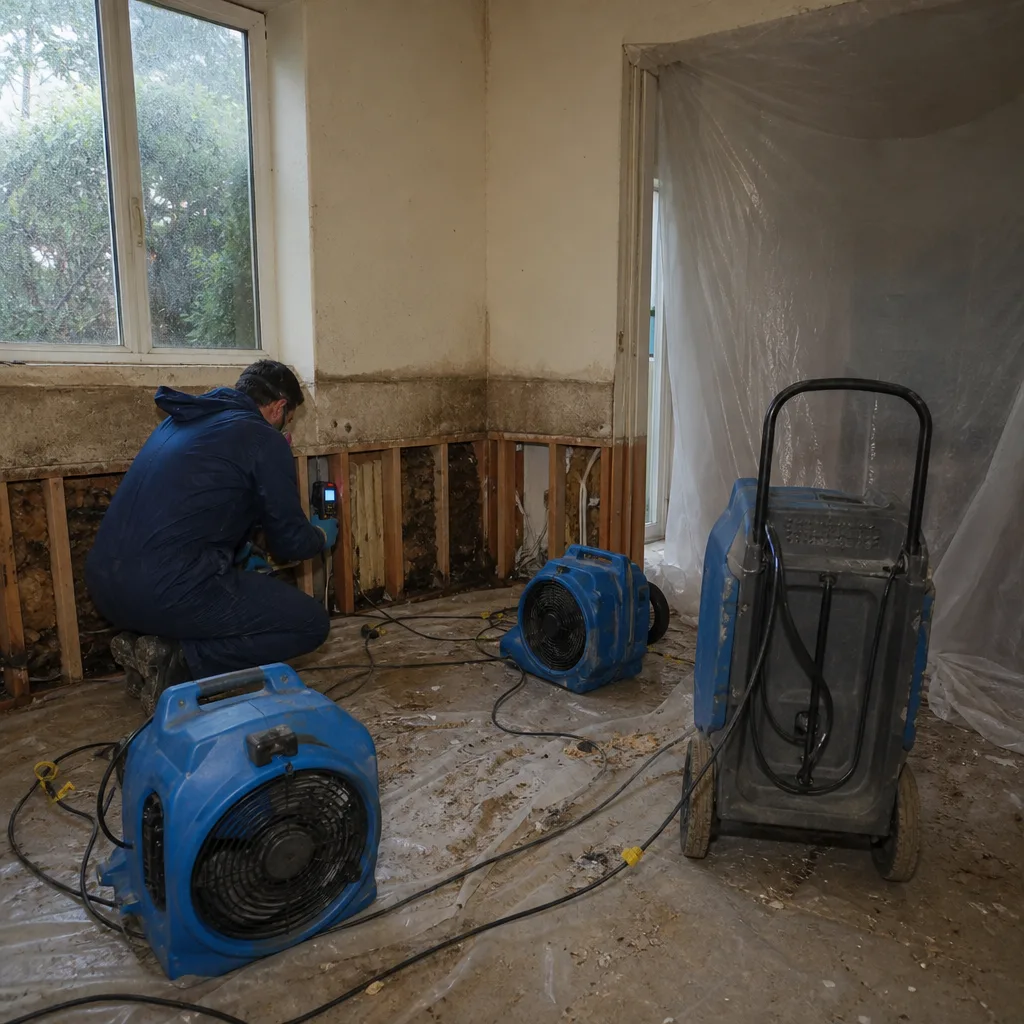 Before
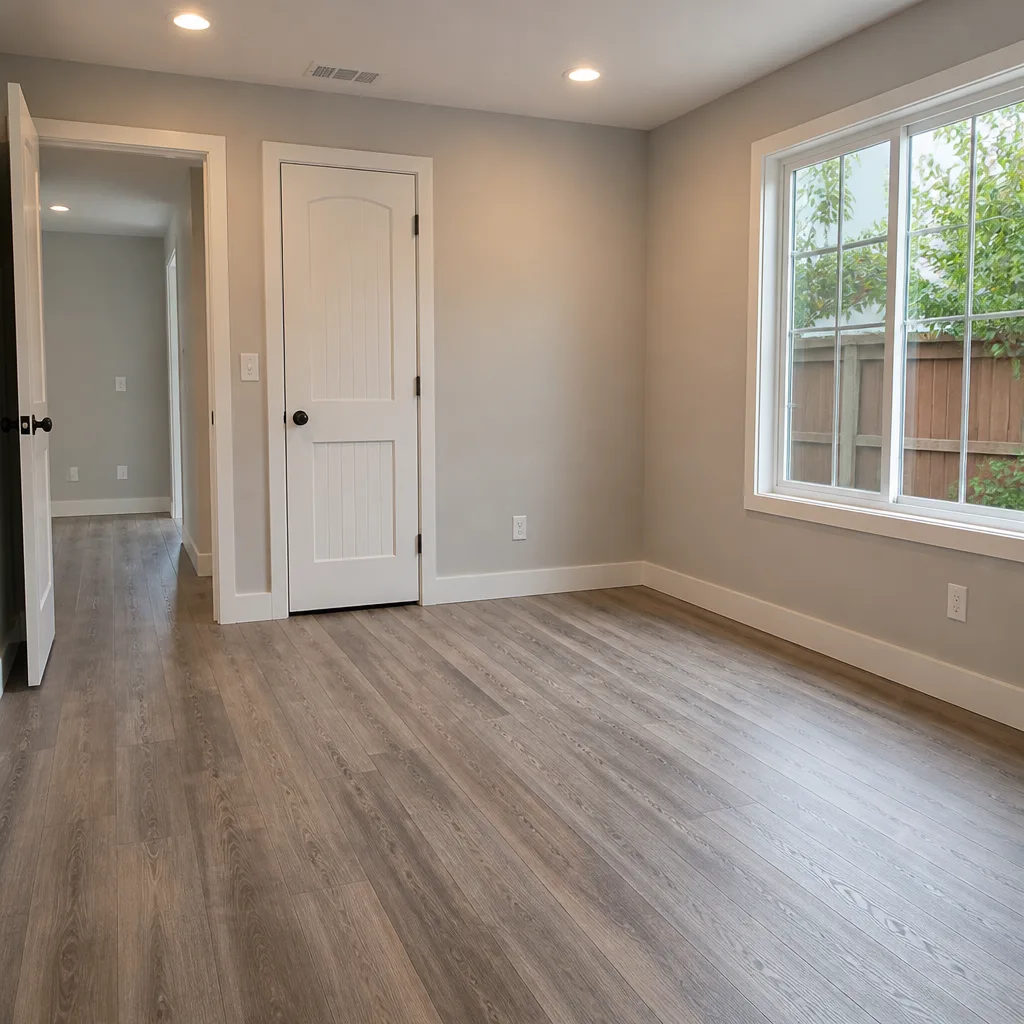 After
After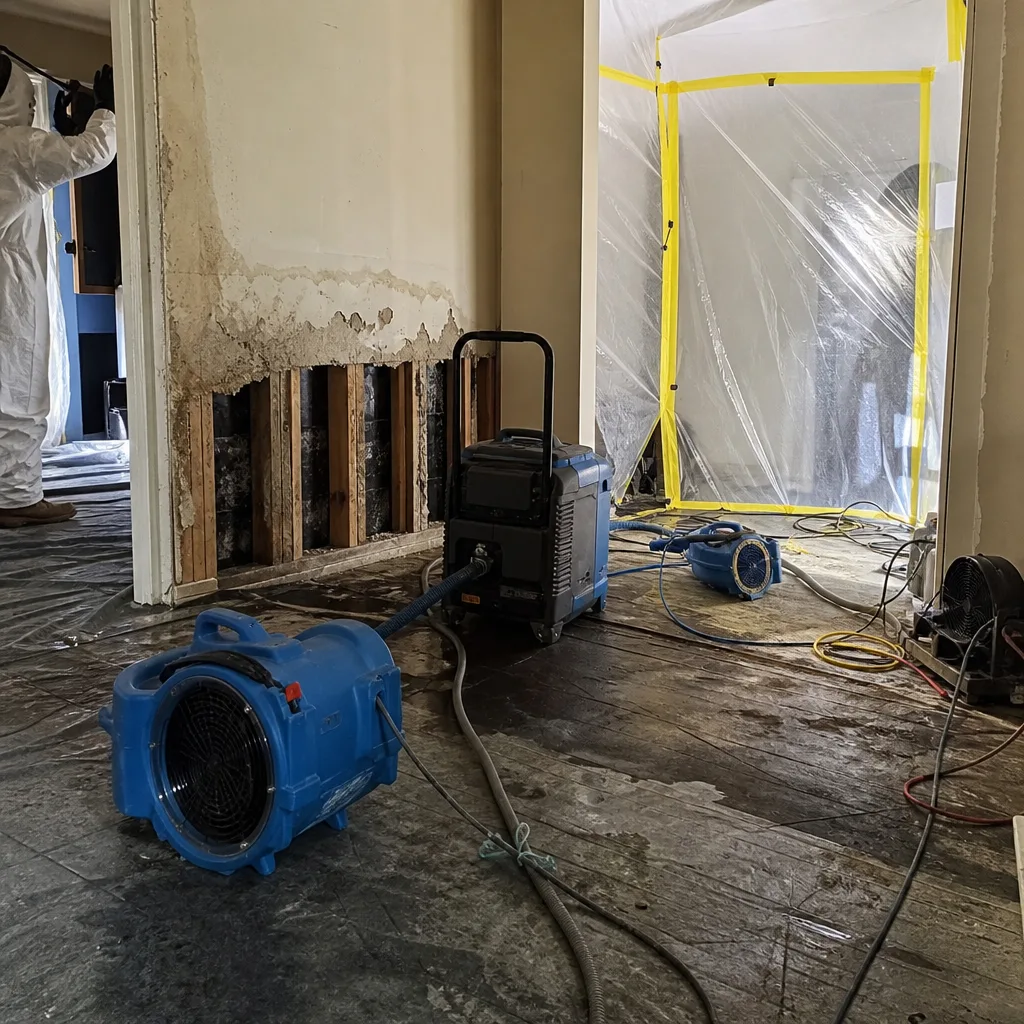 Before
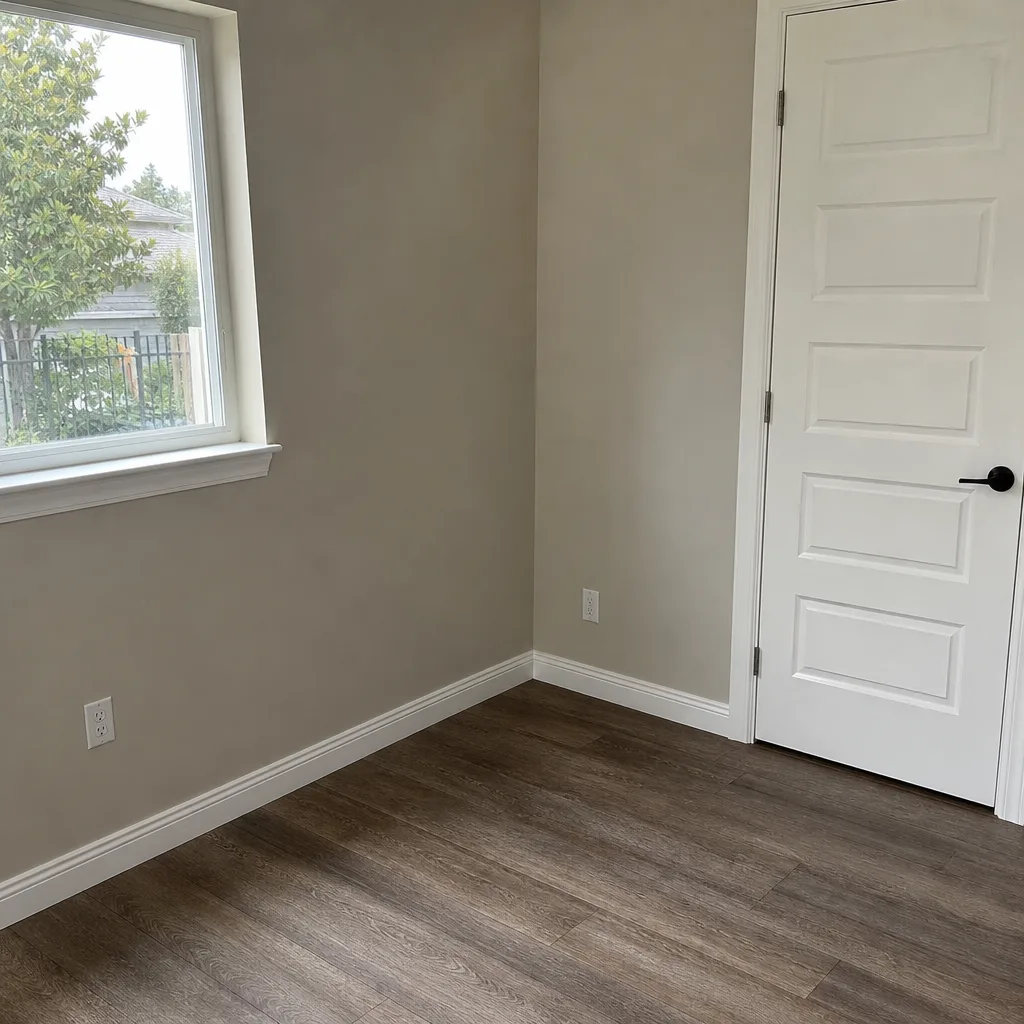 After
After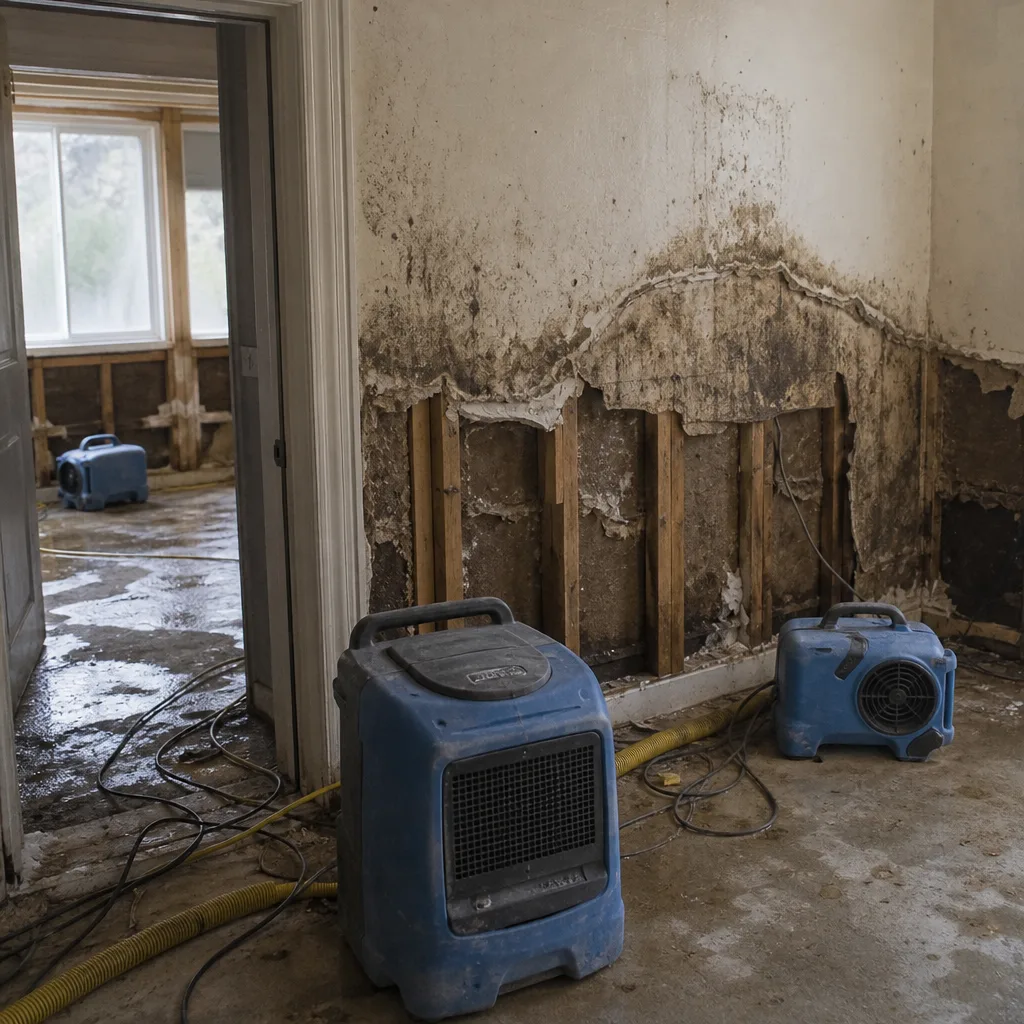 Before
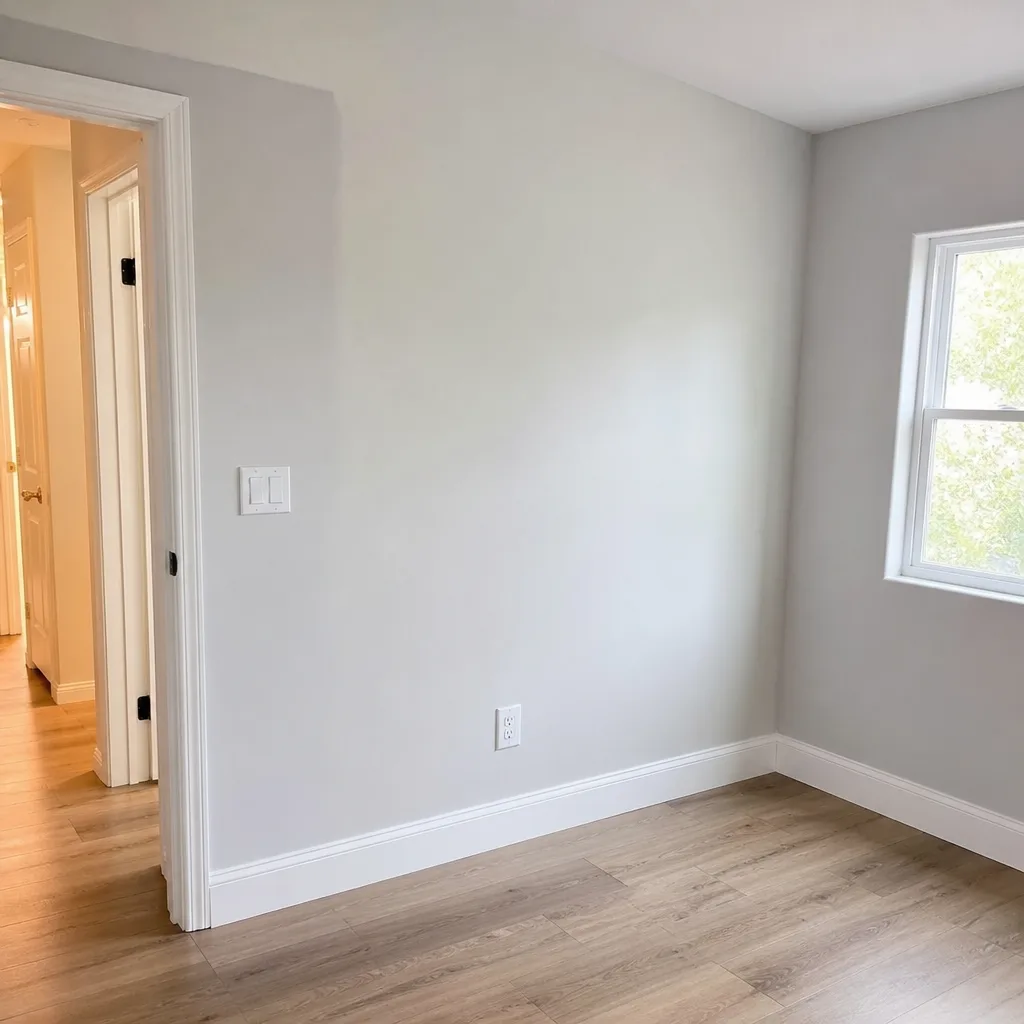 After
After