
Last updated October 16, 2026
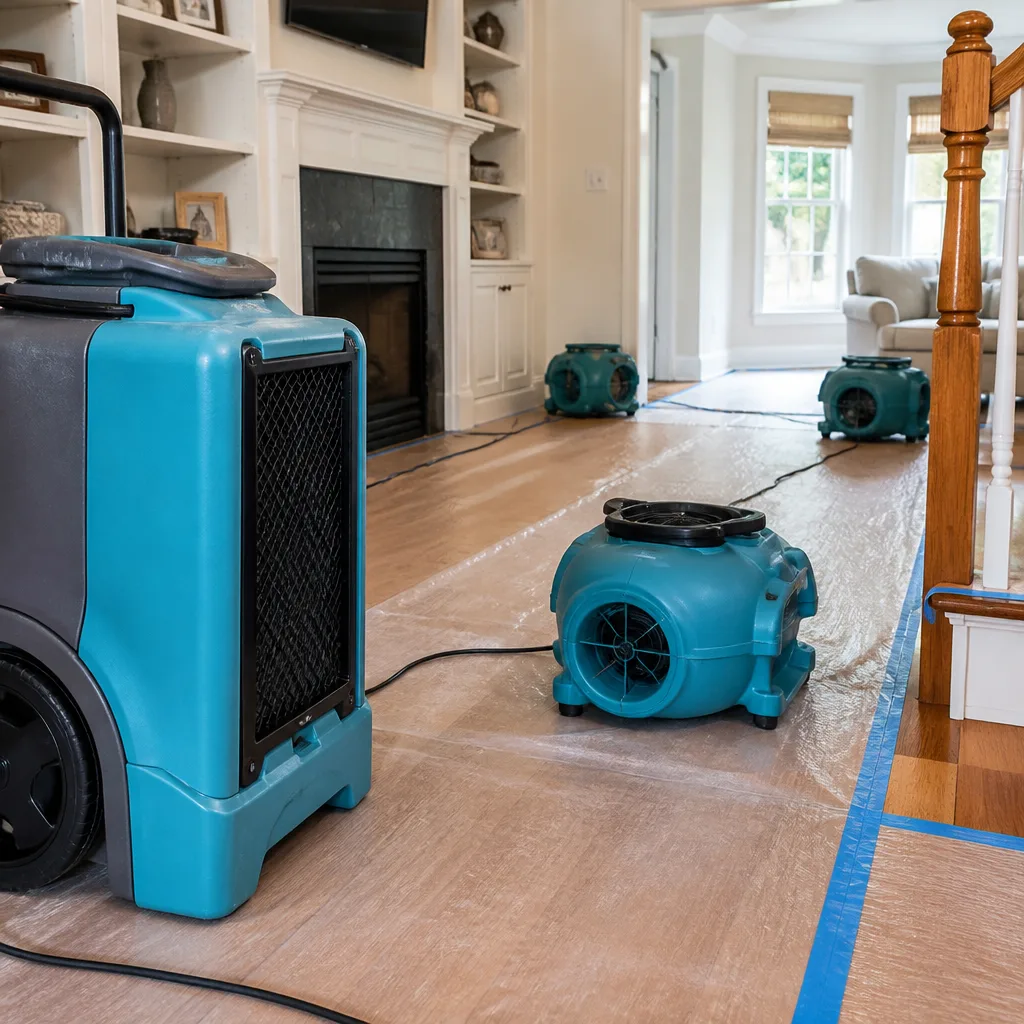 Water damage drying
 Fire & smoke cleanup
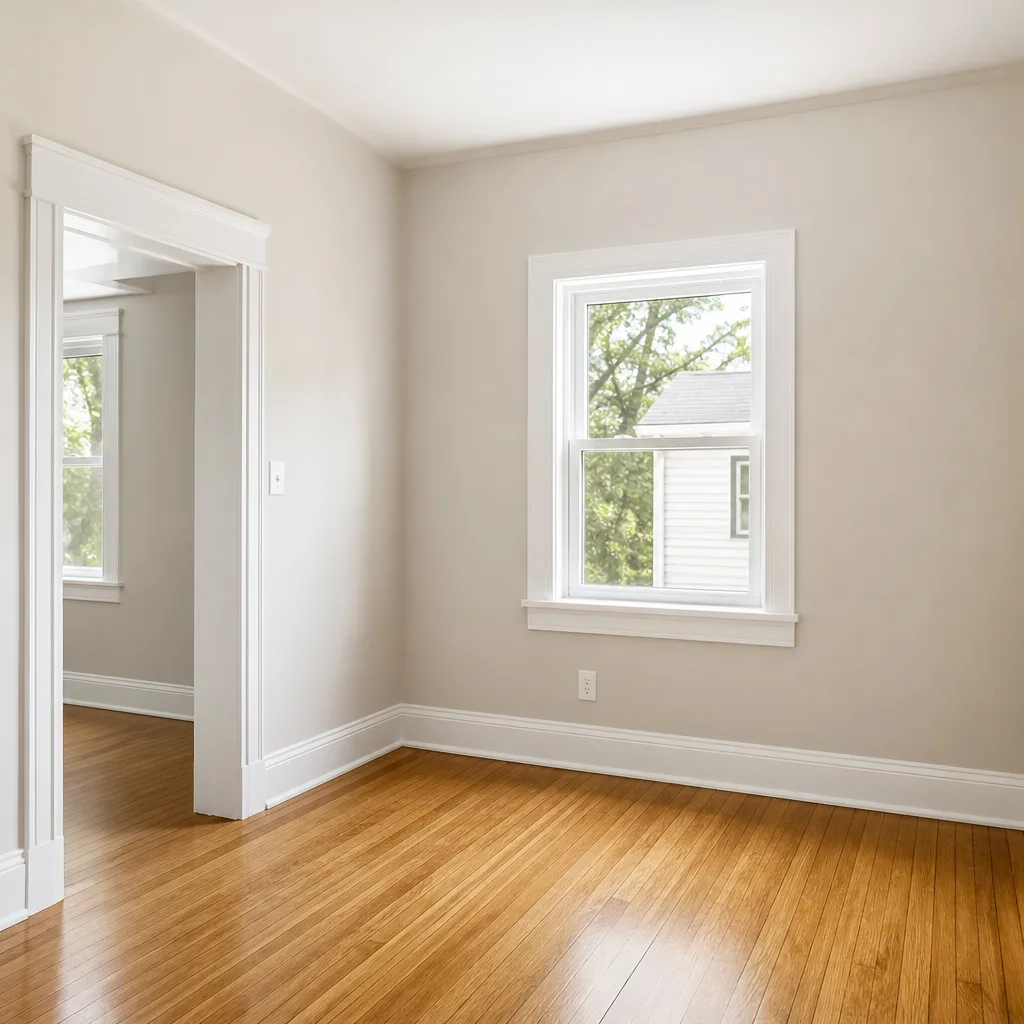 Mold remediation
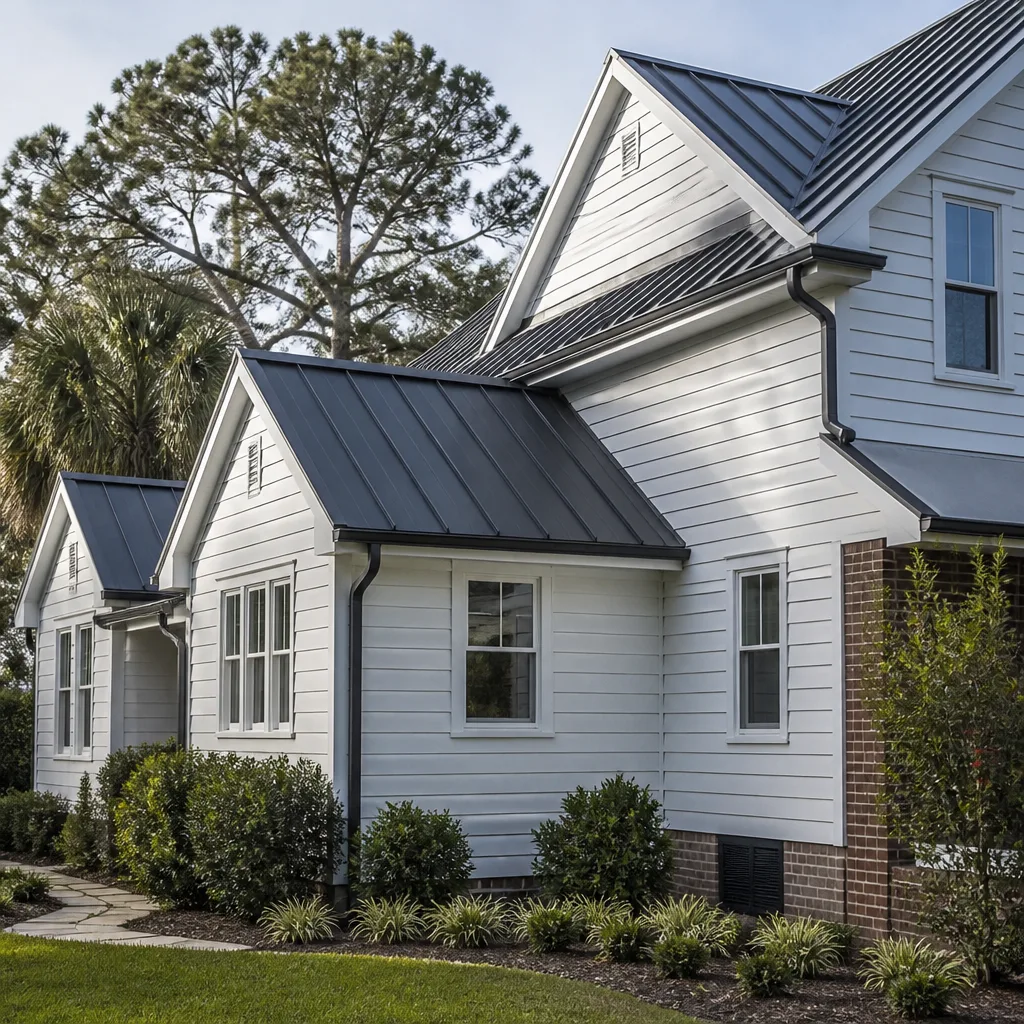 Storm response
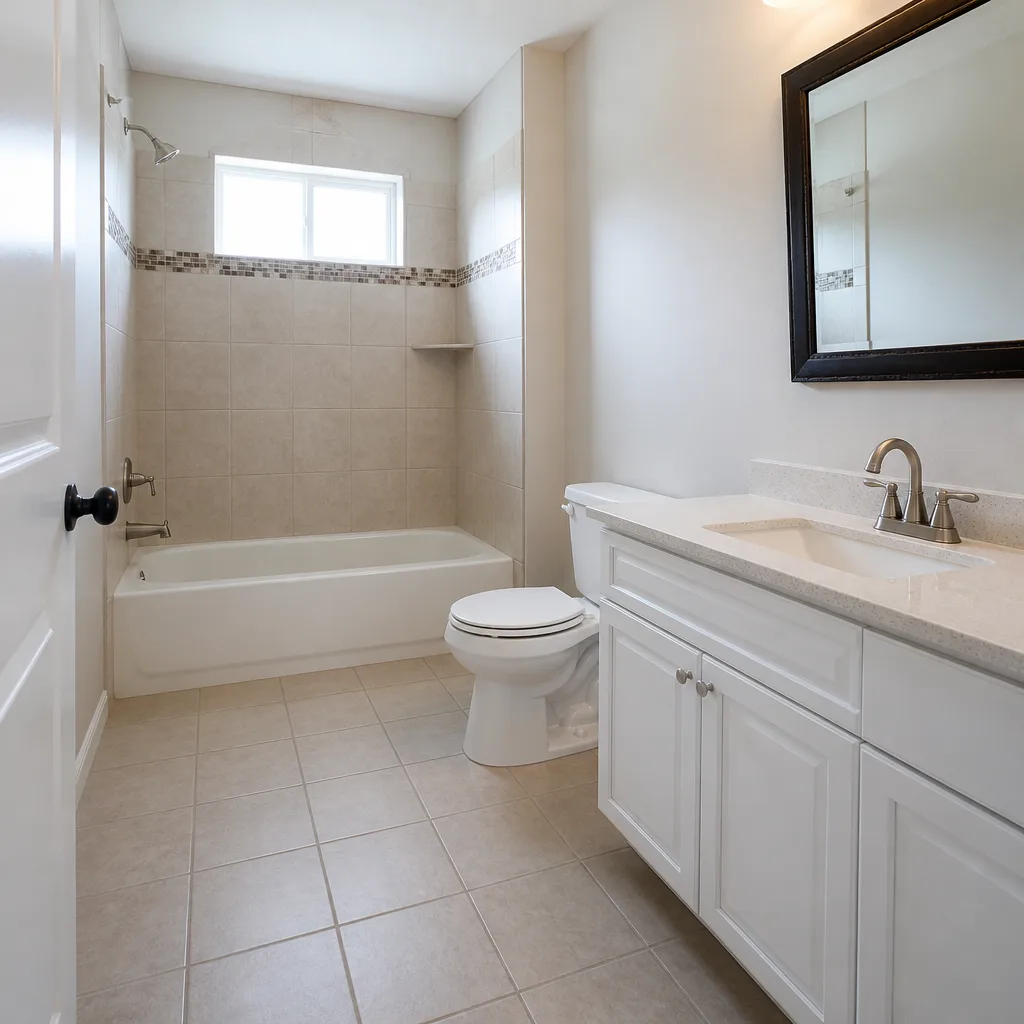 Sewage cleanup
 Reconstruction
Free visual inspection and a written scope of work before any mitigation begins - photos, moisture readings, and drying logs go in your claim file
The scope we write is the scope we bill. Anything new gets shown to you, in writing, before we touch it.
Get your free estimateThe Complete Guide to Damage Restoration in Thousand Oaks
Most Thousand Oaks homeowners who lose money on a restoration job didn’t pick a bad contractor. They called the right contractor at the wrong stage, after DIY attempts or delayed reporting had already doubled the scope. This guide maps the full chain of decisions you’ll face after water, fire, or mold damage in Thousand Oaks, from the first hour to the final walkthrough. You’ll learn what to do yourself, what to document before anyone touches anything, how Ventura County’s regulatory landscape shapes each type of job, and how to verify a contractor’s written-price promise before you sign. This is the guide we wish every homeowner had before damage happened.
Quick Answer
Damage restoration in Thousand Oaks typically costs between $1,800 and $8,500 depending on the type and extent of damage. Water extraction and drying runs $1,800 to $5,000, fire and smoke restoration typically starts around $3,500, and mold remediation averages $2,200 to $6,000. The single most important decision you’ll make is calling a restoration contractor within the first hour, before water migrates through flooring, smoke residue sets into paint, or mold colonies spread behind walls. For a detailed look at what to expect, see our Damage Restoration Cost Breakdown: The Thousand Oaks Homeowner’s Reference for 2026.
Restoration work we handle
Table of Contents
- Why Thousand Oaks Has Its Own Damage Profile
- The First 60 Minutes: A Decision Tree
- Water Damage: The Most Common Claim in Thousand Oaks
- Fire and Smoke: What Wildfire Season Means for Your Home
- Mold: The Slow-Moving Damage That Insurance Fights Hardest
- What a Fully Documented Job File Looks Like
- The Written-Price Standard: How to Verify It Before You Sign
- Common Mistakes That Double Your Restoration Cost
- When to Call a Professional
- Frequently Asked Questions
Why Thousand Oaks Has Its Own Damage Profile
Thousand Oaks sits in a damage zone that doesn’t match either coastal Ventura County or the inland valleys. Three factors converge here. First, the Santa Monica Mountains and Simi Hills create drainage patterns that send water downhill fast during winter storms, and many homes in neighborhoods like Wildwood, Newbury Park, and Lynn Ranch sit on sloped lots where surface water gets pushed against foundations and into crawl spaces. Second, the city’s tract-home stock, much of it built between the 1960s and 1980s, is now hitting the age where copper supply lines and cast-iron drain pipes fail. We regularly see pinhole leaks in slab foundations across Thousand Oaks that homeowners mistake for slab moisture issues. Third, wildfire smoke from the Woolsey Fire and more recent burn events across Ventura County travels into the Conejo Valley and settles inside homes, leaving smoke residue and odor in attic insulation and HVAC ducting even when flames never got close.
What this means for you: a water damage event in Thousand Oaks is rarely just a plumbing fix. Hillside drainage, aging pipe systems, and the city’s specific soil composition, which shifts between expansive clay and decomposed granite depending on which side of the 101 you’re on, all shape how water moves through a structure after a leak. Restoration work here requires local knowledge of these patterns, not a generic drying protocol. That’s one reason we dispatch crews who know the difference between a Wildwood hillside home and a tract slab home near Thousand Oaks Boulevard.
The First 60 Minutes: A Decision Tree
Here’s the sequence we recommend to every Thousand Oaks homeowner, in order. The first hour determines how much of your home and your money you keep. Don’t skip steps, and don’t touch anything you’re not sure about.
- Stop the source if you can do it safely. For a water event, that means shutting the main valve at your water meter. For a fire event, it means making sure the fire is fully out and the gas is off if you smell gas. For mold, it means stopping whatever is feeding the moisture. Do not touch electrical panels if water is present around them. Call a pro for that.
- Photograph everything before you move anything. Wide shots of each room, close-ups of damage, the water’s edge, smoke staining, visible mold. These are the photos your adjuster will use. If you move furniture before photographing it, that’s deductible information lost.
- Move anything you can lift that’s dry and valuable to a dry area. Furniture, rugs, books, electronics. Don’t spend more than 15 minutes on this. The goal is to stop secondary damage, not to perform restoration yourself.
- If water is deeper than one inch or touching walls, call a restoration contractor now. Water wicks up drywall at roughly one inch per hour. By hour four, a clean water leak can be inside wall cavities and under baseboards. By hour 24, you may be looking at mold growth conditions, especially in Thousand Oaks’s mild year-round temperatures.
- Do not run a standard household fan. This spreads moisture and any contaminants through the air instead of containing and extracting it. Professional drying uses controlled airflow, dehumidification, and air filtration, not a box fan from the garage.
- If you see smoke residue or smell smoke, don’t wipe it. Smoke soot is oily and abrasive. Wiping smears it into paint and grout instead of lifting it. Leave it for a professional with the right chemical agents.
We’ve walked into too many Thousand Oaks homes where a homeowner spent six hours running a household dehumidifier and pushing water around with towels. In that time, the water migrated through the subfloor and into the wall cavities, and the insurance claim went from a $2,000 extraction to an $8,000 structural dry-out. The first hour matters more than any decision after it.
Water Damage: The Most Common Claim in Thousand Oaks
Water damage restoration in Thousand Oaks follows a specific sequence: extraction, containment, drying, monitoring, and structural repair. The terms get thrown around by contractors but rarely explained. Extraction is the physical removal of standing water using truck-mounted or portable extractors, the professional-grade machines you’ll see on a trailer outside. Containment means sealing off the affected area so moisture doesn’t spread to dry parts of the house during drying. Drying is the science of psychrometrics: measuring temperature, humidity, and air movement to decide how many air movers and dehumidifiers go where, and for how long. Monitoring means we come back daily to take moisture readings from walls, floors, and structural cavities until the readings are stable.
Here’s a realistic cost range for water damage work in Thousand Oaks as of the current market:
- Small, contained leak (bathroom supply line, under-sink): $1,800 to $3,200
- Moderate water event (washing machine overflow, water heater failure, one to two rooms): $3,200 to $5,500
- Large water event (slab leak, multi-room, water in wall cavities and subfloor): $5,500 to $9,000 or more
- Category 2 or 3 water (gray or black water, sewage backup, storm water intrusion): Add $1,500 to $4,000 for containment, antimicrobial treatment, and disposal
These numbers assume a professional contractor doing the work to IICRC standards. They don’t include the cost of the plumbing repair itself, which is separate. In Thousand Oaks, slab leaks are common in homes built before 1990, and those run higher on the restoration side because water travels under the slab and wicks up through flooring before anyone notices. Learn to spot trouble early with our Damage Restoration Warning Signs: A Thousand Oaks Homeowner’s Reference Guide.
If you’re in the middle of a water event right now, start here: call a live person. A water damage restoration call should be answered by a human being, not a phone tree. Water moves while you wait. The restoration work itself is outlined step by step on our Water Damage Restoration in Thousand Oaks page.
Fire and Smoke: What Wildfire Season Means for Your Home
Thousand Oaks has lived through the Woolsey Fire and multiple wildfire smoke events since. Even when the flames never reach your street, smoke intrusion is a real damage category here. It settles into HVAC ducting, attic insulation, carpet fibers, and drywall. The smell lingers for months if it’s not treated properly. And here’s what most homeowners don’t know: your insurance policy likely covers smoke damage from a nearby wildfire, but the adjuster will want proof. That means an HVAC inspection, air quality testing, and documentation of where the smoke entered and what it touched.
For a structure fire, the restoration sequence is different from water. It starts with a board-up and roof tarp if the structure is compromised, then moves to demolition of unsalvageable materials, soot and odor removal, and finally reconstruction. Soot removal is not wiping with a damp rag. Soot from a house fire is acidic. It etches glass, corrodes metal fixtures, and bonds to drywall. The cleaning agents and processes are specific to the surface type, and doing it wrong can set the odor permanently.
Fire damage restoration costs in Thousand Oaks are driven by severity, not square footage alone:
- Light smoke damage (no structural fire, smoke smell and light residue): $3,500 to $6,000 for cleaning, deodorization, and HVAC treatment
- Moderate fire damage (one room fire, soot throughout, some demolition): $8,000 to $20,000
- Major fire damage (structural fire, multiple rooms, demolition and rebuild): $30,000 and up, often $75,000 or more
The gap between those ranges is huge. What determines where your job lands: how fast the fire department arrived, what materials burned (synthetic carpets and furniture produce far more toxic soot than natural materials), and whether water used to extinguish the fire sat in the structure before extraction. Fire and water damage almost always occur together, which is why a restoration company that handles both under one roof is not a convenience, it’s a scope-of-loss necessity. We handle the full sequence on our Fire Damage Restoration in Thousand Oaks page.
Mold: The Slow-Moving Damage That Insurance Fights Hardest
Mold in Thousand Oaks is a year-round condition, not a seasonal one. The Conejo Valley’s mild temperatures and marine-layer humidity create conditions where mold can grow inside wall cavities within 24 to 48 hours of a water event, and it can persist indefinitely in bathrooms, under sinks, and behind refrigerator lines with no obvious sign. The problem is that mold is where insurance companies push back hardest. Standard homeowner policies in California often cap mold coverage between $5,000 and $10,000, and the adjuster will look for any reason to classify the mold as a pre-existing condition or a maintenance issue rather than a covered loss.
This is where a fully documented job file changes the conversation. If you can show that the mold growth followed a covered water loss, that the moisture source was identified and stopped, and that the scope of remediation matches the extent of the documented growth, your claim holds up differently. We’ll cover what that file looks like in the next section.
Mold remediation is not cleaning mold. It’s containment, controlled removal, air scrubbing, and moisture elimination. A proper mold remediation includes:
- Containment: Sealing the affected area with plastic sheeting and negative air pressure so spores don’t spread during removal.
- Air scrubbing: Running HEPA air scrubbers inside the containment to capture airborne spores.
- Removal: Cutting out affected drywall, insulation, or other porous materials that can’t be effectively cleaned.
- Cleaning and treatment: Treating remaining surfaces with antimicrobial agents and cleaning salvageable materials.
- Drying: Confirming moisture levels are low enough that mold won’t return.
- Verification: Post-remediation air quality testing by an independent third party, which is the standard in Ventura County.
Mold remediation in Thousand Oaks typically runs $2,200 to $6,000 for a contained bathroom or under-sink issue, and $6,000 to $20,000 or more for multi-room or crawl space remediation. If someone quotes you $800 for “mold removal,” what you’re getting is surface spraying, not remediation. The mold behind the wall is still there. Our Mold Remediation in Thousand Oaks page walks through the full process and what to look for in a contractor.
What a Fully Documented Job File Looks Like
Almost every restoration job in Thousand Oaks is an insurance claim. Even when a homeowner plans to pay out of pocket initially, the claim gets filed once the scope is recognized. Here’s what a job file should contain if the restoration contractor is doing their job properly. If your contractor won’t produce this, your claim is already compromised.
- Initial photos: Damage as found, before any work begins. Time-stamped and geo-tagged. These are your adjuster’s baseline.
- Moisture readings: Digital recordings from moisture meters across every affected surface, showing the extent of water migration.
- Scope of loss: A written document that itemizes what is damaged, what will be removed, what will be restored, and what will be reconstructed. This is the document the adjuster compares against their own inspection.
- Daily drying logs: Readings taken each day during drying, showing that the contractor monitored progress and made adjustments.
- Equipment list: What machines were used, where they were placed, and for how long. This justifies the drying line items.
- Progress photos: Photos taken throughout the job, showing demolition, treatment, drying, and final condition.
- Material disposal records: Documentation from the dump or disposal facility, especially for water-logged materials or fire debris.
- Final report: Summary of the work, final moisture readings, and confirmation that the affected area is stable.
Adjusters push back harder on undocumented work because they have no evidence to defend the claim against. A fully documented file gives them what they need to approve it. That’s the simplest way to understand why documentation matters. We format every job file to support your insurance claim, because most Thousand Oaks homeowners deal with an adjuster who has never been inside their house and is working from paper.
The Written-Price Standard: How to Verify It Before You Sign
The single biggest complaint we hear from Thousand Oaks homeowners about damage restoration contractors is the price that moves at the door. A crew starts the work, then the “unforeseen conditions” add-ons start. Now you’re halfway through a job with a contractor who holds the leverage, and the original estimate was just a number on a sticky note.
The fix is simple: get the price in writing before any work begins. Not a rough number in a text message. A written scope of work with line items. Here’s how to verify a contractor actually follows this standard:
- Ask directly: “Will you put the full scope and price in writing before you start?” The answer should be yes without hesitation. If the answer is “we’ll see how it goes” or “I can give you a ballpark,” keep looking.
- Ask if the price moves: “If you find additional damage, does the written price change?” The right answer is: any change in scope is documented in writing and you approve it before any additional work is done. The wrong answer is: “we’ll figure it out as we go.”
- Ask what happens if the repair fails: “What if the work doesn’t hold up after the job is done?” A contractor with a written guarantee will tell you the terms without pausing. The 365-Day Done Right Promise is our answer: if a repair fails within one year, we return and make it right at no charge.
- Ask who shows up: “Will the crew be background-checked and uniformed?” You’re letting people into your home during some of the worst days of your ownership. This matters.
This is The Garrison Standard in practice: written price before work starts, background-checked uniformed technicians, documentation on every job, and a full-year written guarantee. It’s not a marketing phrase. It’s a work standard. If a Thousand Oaks contractor can’t tell you their version of this clearly and in one sentence, that’s your answer.
One more note on equipment. The drying and extraction machines a contractor uses are a direct proxy for how serious they are. The professional-grade brands in this industry are Dri-Eaz, Phoenix, XPOWER, and B-Air. These are the machines used in IICRC-standard work. A contractor showing up with two household dehumidifiers from Home Depot is not doing professional restoration. We run professional-grade extraction and drying equipment on every job, operated in compliance with IICRC, RIA, and IFA standards.
Common Mistakes That Double Your Restoration Cost
- Waiting to call. Every hour water sits, it wicks further up drywall and through flooring. A $2,000 extraction becomes an $8,000 structural dry-out. In Thousand Oaks’s climate, mold conditions can develop within 24 to 48 hours, not days.
- Using household fans for water damage. Box fans and household dehumidifiers spread moisture instead of containing it. Professional drying uses controlled airflow and real dehumidifiers. You cannot dry a wall cavity with a fan from Target.
- Wiping soot yourself. Soot from a house fire is oily and acidic. Wiping smears it into paint and grout and sets the odor deeper. Call a professional before you touch smoke-damaged surfaces.
- Hiring a plumber first, then waiting to call restoration. The plumber stops the leak, but the plumber doesn’t dry the structure. Thousands of Thousand Oaks homes have drywall rot behind the patch because the homeowner called the plumber and stopped there.
- Letting the insurance adjuster’s first number be the final word. Adjusters are professionals, but they work for the insurance company. A fully documented job file, with moisture readings and a written scope of loss, gives you the leverage to negotiate. Don’t skip the documentation.
- Picking the cheapest quote without checking the guarantee. A low price with no written guarantee means you’re paying again in six months when the work fails. Ask for the guarantee in writing.
- Not photographing before moving anything. The photos you take in the first hour are the evidence your claim depends on. Once you’ve moved furniture or started cleaning, that evidence is gone.
When to Call a Professional
Call immediately if water has been running for more than an hour, if water is touching walls or baseboards, if you see standing water across a room, or if you smell smoke or see soot after a fire. Call before you touch anything if the water may be from a sewage line or storm drain. Call if you see visible mold growth larger than a dinner plate, or if you smell a musty odor that won’t go away. Call if your insurance adjuster asks for a written scope of loss and you don’t have one yet.
If you’re in Thousand Oaks and damage is active right now, Keegan Restoration Thousand Oaks offers free estimates and a live person answers the phone 24 hours a day, seven days a week, including nights, weekends, and holidays. Call (805) 309-3324.
Frequently Asked Questions
Water damage restoration in Thousand Oaks typically runs $1,800 to $5,500 depending on the size of the affected area. Fire and smoke restoration ranges from $3,500 for light smoke cleaning to $75,000 or more for a structural fire. Mold remediation runs $2,200 to $6,000 for a contained area. Call (805) 309-3324 for an exact quote; estimates are free.
Most homeowner policies in Ventura County cover water damage from sudden, accidental events like a burst pipe or water heater failure. They cover fire damage broadly. Mold coverage is often capped between $5,000 and $10,000, and your claim depends heavily on documentation showing the mold followed a covered water loss. A fully documented job file is the single strongest tool you have in that conversation.
In Thousand Oaks, a restoration contractor should be able to have a crew on site within a few hours of your call for active water damage. A live person answers our phone 24 hours a day, and we dispatch crews from our Thousand Oaks location. For fire and mold jobs, we’ll typically schedule a written assessment first, then scope the work in writing.
It depends entirely on where the damage is. Surface mold on tile can often be cleaned. Mold inside wall cavities or behind baseboards requires containment and removal, not surface treatment. Water that has migrated under flooring or into walls requires structural drying, not just mopping. A professional assessment with moisture readings will tell you which situation you’re in. If a contractor quotes you a cleaning without taking readings, that’s a red flag.
The 365-Day Done Right Promise is a written one-year guarantee on every repair Keegan Restoration performs. If the work fails within one year, we return and make it right at no charge. It covers the repair itself, not new damage from a new event. The promise is part of The Garrison Standard that governs every job we do. For more guides & resources, visit our blog.
You can deal with the adjuster directly, or your restoration contractor can interface with them on your behalf. We provide the job file, moisture readings, scope of loss, and photos in a format adjusters can use. The more complete the file, the less back-and-forth the adjuster will need. Call (805) 309-3324 and we’ll explain the process before you file anything.
The Bottom Line
Thousand Oaks homeowners face a specific damage profile: hillside drainage, aging tract-home plumbing, and wildfire smoke intrusion. The restoration job you get depends less on which contractor you call than on when you call and how well the work is documented. Get the price in writing before work starts. Photograph everything. Ask about the guarantee. A restoration contractor who follows a written standard will tell you that standard in one sentence. If they can’t, call someone who can. Keegan Restoration Thousand Oaks has been part of the Garrison Partners family since 2005, and we run every job to The Garrison Standard: written price before work starts, professional-grade equipment, and a full-year written guarantee. Call (805) 309-3324 for a free estimate. For more on the Keegan approach, start at our Keegan Restoration Thousand Oaks home page.
Written by Shane Pruitt, Owner at Keegan Restoration Thousand Oaks, serving Thousand Oaks since 2005.
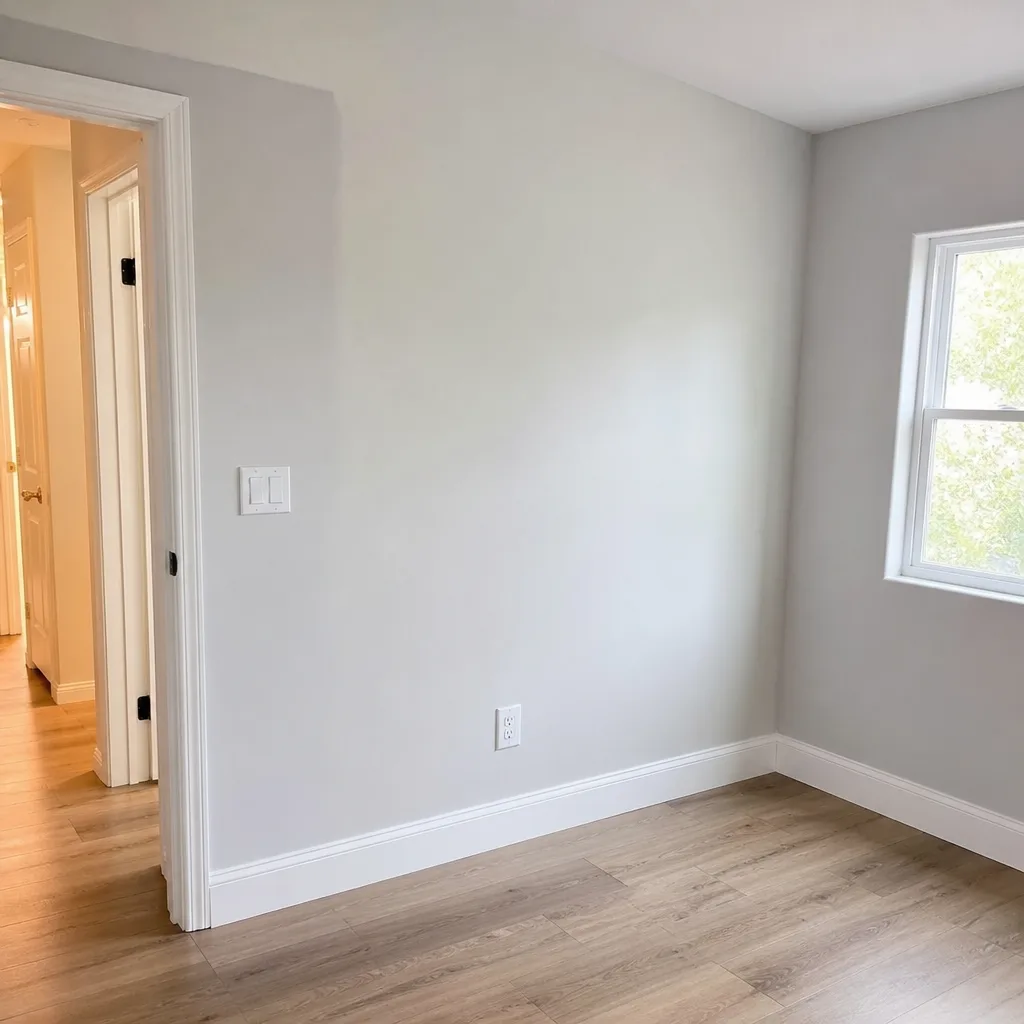
See the difference
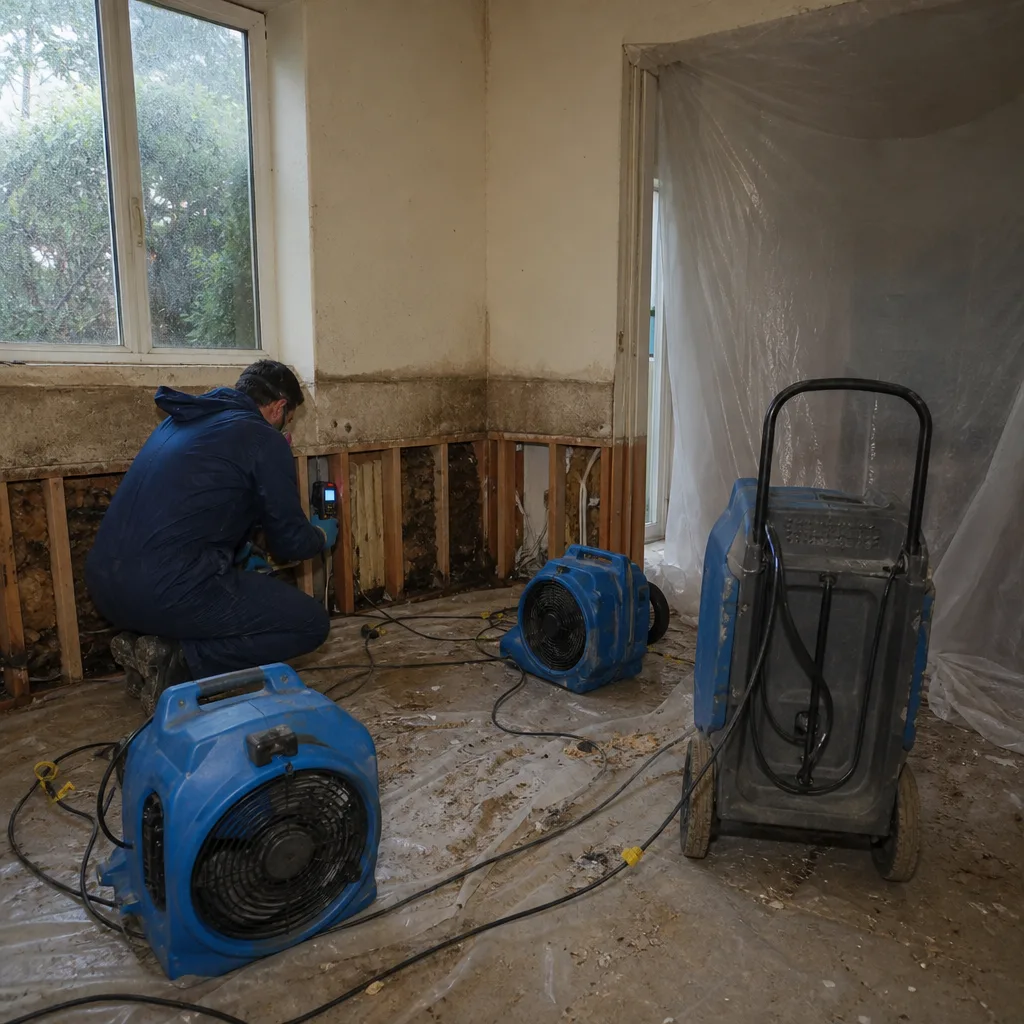 Before
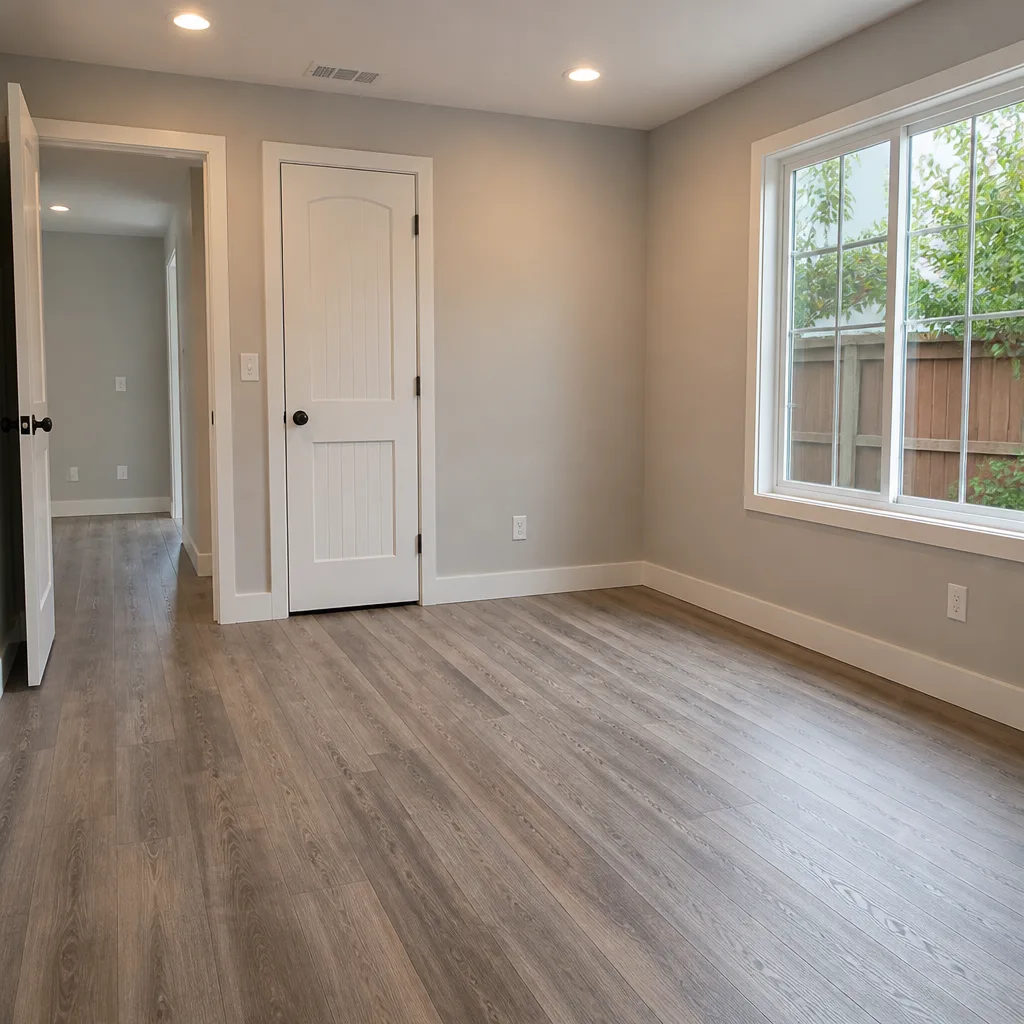 After
After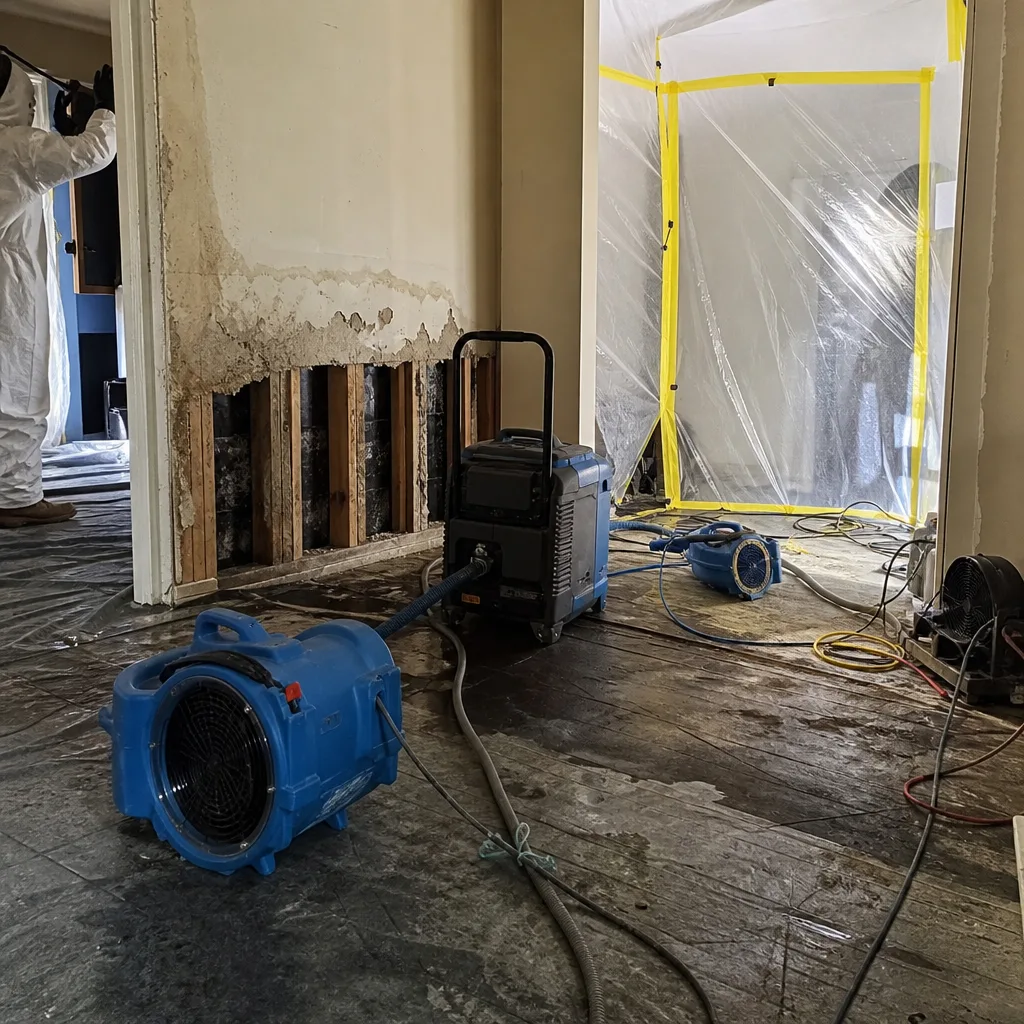 Before
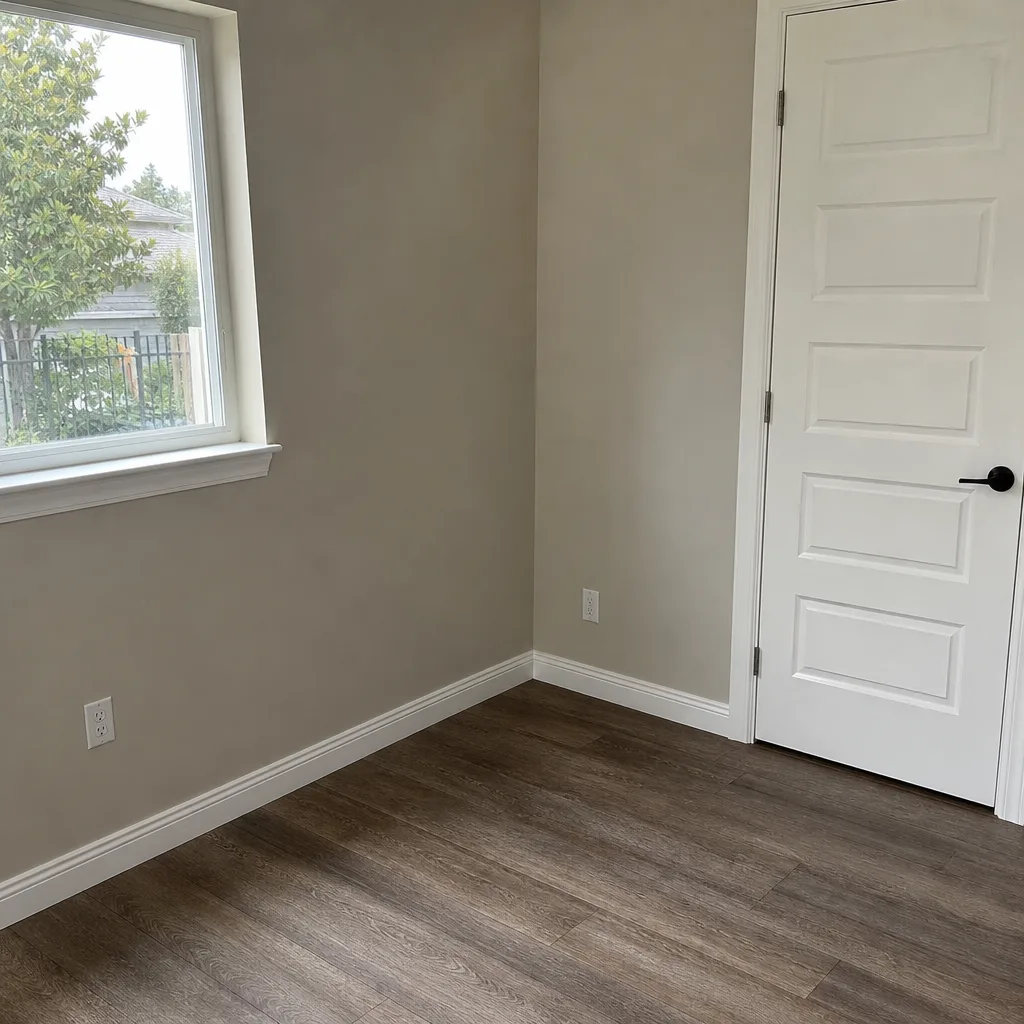 After
After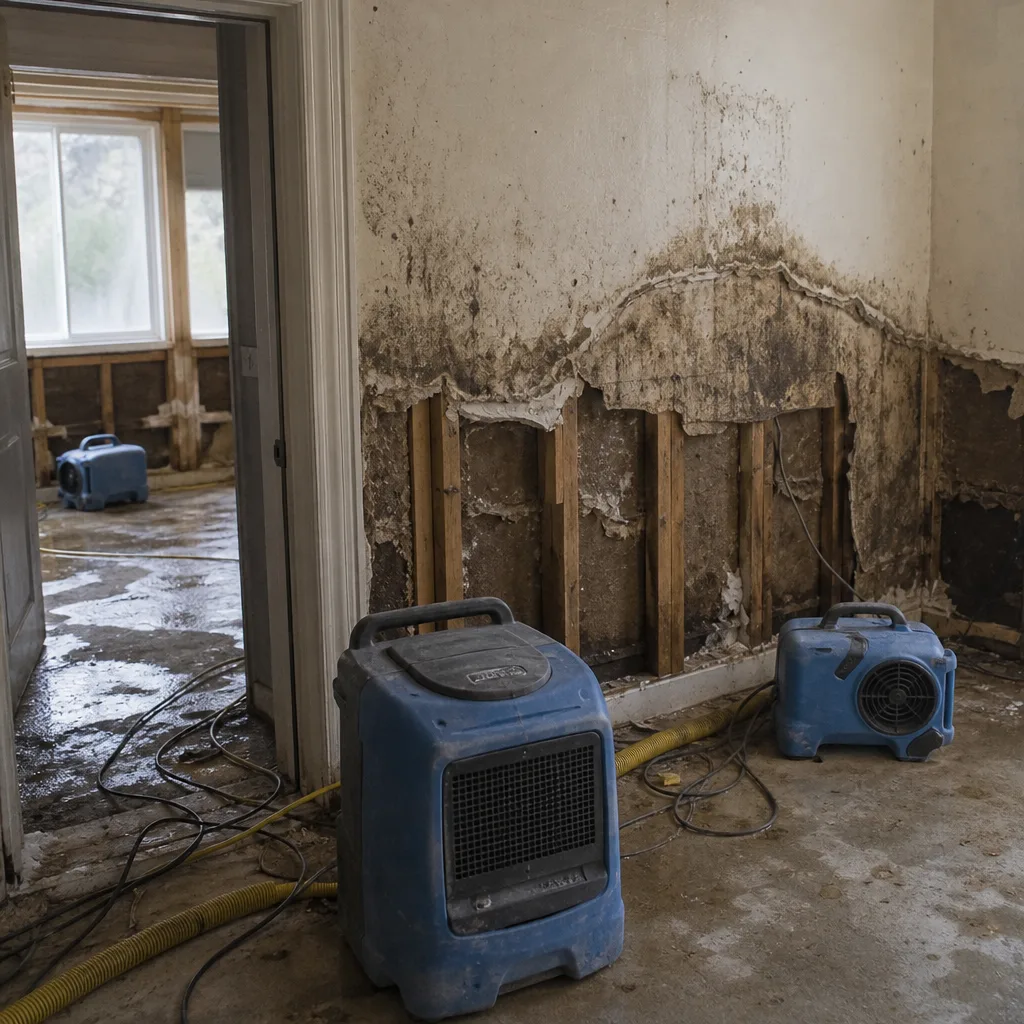 Before
 After
After