
Last updated October 16, 2026
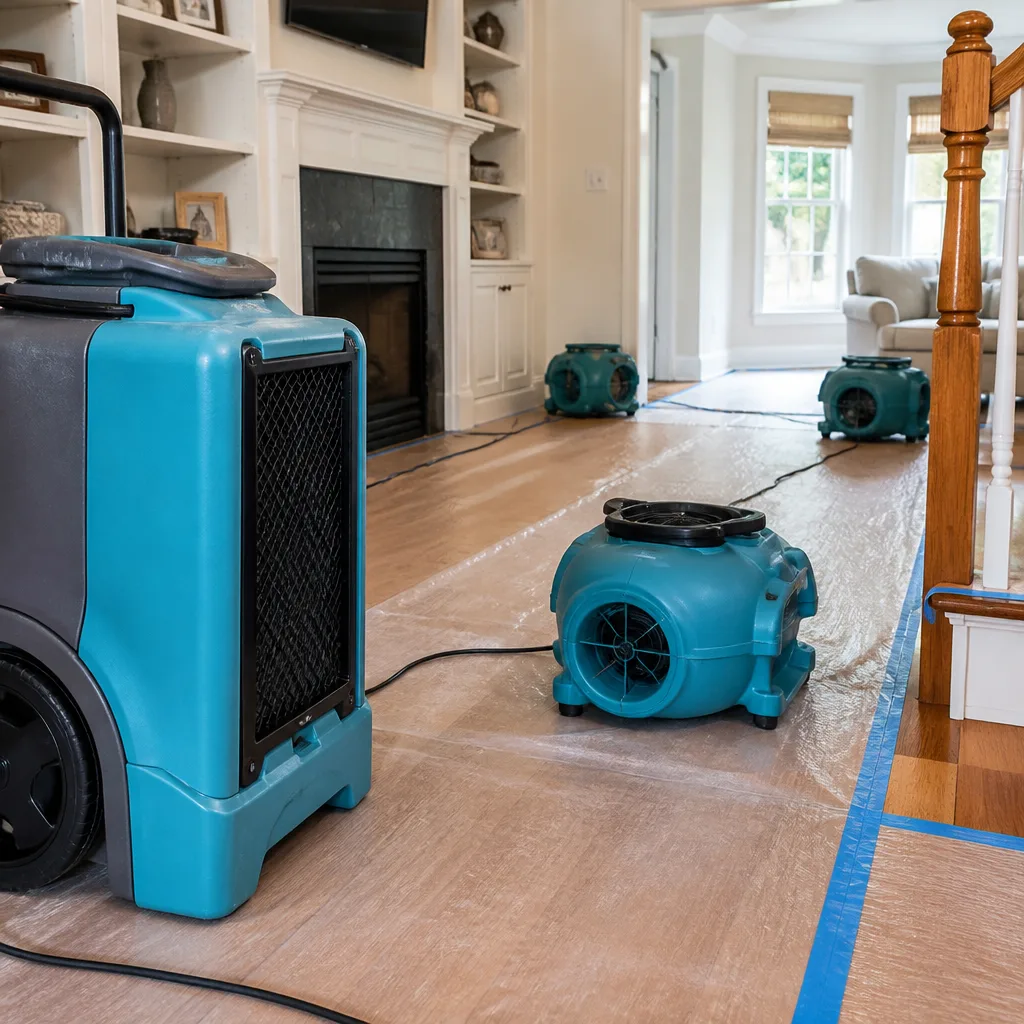 Water damage drying
 Fire & smoke cleanup
 Mold remediation
 Storm response
 Sewage cleanup
 Reconstruction
Free visual inspection and a written scope of work before any mitigation begins - photos, moisture readings, and drying logs go in your claim file
The scope we write is the scope we bill. Anything new gets shown to you, in writing, before we touch it.
Get your free estimateWater Damage Restoration Maintenance Checklist for Thousand Oaks Homeowners
The average water damage claim in California runs over $11,000, and most of that cost isn’t the leak itself. It’s the 48-to-72-hour window after the leak starts, when mold colonizes drywall, baseboards, and subfloor that could have been saved with faster action. A maintenance checklist won’t stop every leak, but it will cut your response time from days to minutes, and in Thousand Oaks, where much of the housing stock dates from the 1970s through the 1990s, response time is the difference between a repair bill and a restoration bill. This guide covers exactly what to inspect, when to inspect it, and what a failing component looks like before water shows up where you can see it. For more detail, see The Complete Guide to Damage Restoration in Thousand Oaks.
Restoration work we handle
Quick Answer
A water damage prevention checklist for Thousand Oaks homeowners means inspecting supply lines, shut-off valves, water heaters, and appliance connections on a set schedule, plus testing your main shut-off before an emergency. The highest-impact items are checking washing machine hoses every six months, replacing any polybutylene pipe still in the walls of older Thousand Oaks tract homes, and knowing where your main shut-off is before a pipe bursts. Most Thousand Oaks water damage starts small and becomes expensive because homeowners don’t recognize the early indicators: a faint musty smell, a warm spot on the slab, a water bill that crept up 15% with no obvious cause.
Table of Contents
- The Cost of Skipping Maintenance in Thousand Oaks
- Where Your Main Shut-Off Is and How to Test It Before You Need It
- The Component-by-Component Inspection Schedule
- Polybutylene Pipe: The Quiet Problem in 1970s – 1990s Thousand Oaks Homes
- Slow Leak Indicators vs. Active Failure: What Each Looks, Smells, and Feels Like
- Seasonal Triggers That Spike Leak Risk in Thousand Oaks
- Slab Foundations and Hidden Water: What Runs Under Your Floors
- What to Photograph and Document Before Calling a Contractor
- Common Mistakes to Avoid
- When to Call a Professional
- Frequently Asked Questions
- The Bottom Line
The Cost of Skipping Maintenance in Thousand Oaks
Thousand Oaks has a particular vulnerability that newer cities don’t share. The city grew in a wave: most of the tract housing in neighborhoods like Newbury Park, Thousand Oaks proper, and parts of Westlake were built between 1970 and 1995. That means a large share of local homes are now sitting at the 30-to-50-year mark, which is exactly when original plumbing components start failing on a schedule. Original shut-off valves seize. Water heater tanks hit end-of-life. Copper supply lines develop pinhole corrosion. Washing machine supply hoses, often original to the home, dry-rot under pressure.
In our experience responding to water damage restoration in Thousand Oaks, the homes with the worst outcomes are rarely the ones with catastrophic pipe bursts. They’re the ones where a slow leak ran for three weeks under a kitchen sink, or a supply line behind a washing machine dripped for a month before the homeowner noticed the baseboard warping. The damage at that point isn’t just water: it’s mold colonization in the wall cavity, delaminated flooring, and swollen cabinet bases that all have to come out. A maintenance checklist converts those slow-burn disasters into small, contained repairs.
Shane Pruitt, who runs our Thousand Oaks location, puts it in terms of insurance claims: the claim that starts with a homeowner who found the leak on day one is a straightforward dry-out. The claim that starts with a homeowner who found the leak on day fourteen is a pack-out, a mold assessment, and often a reconstruction job. Same leak, same house, ten times the scope.
Where Your Main Shut-Off Is and How to Test It Before You Need It
Every homeowner should know where their main shut-off valve is before an emergency, not during one. In Thousand Oaks, the main shut-off is typically located in one of four places: the garage wall facing the street, the front yard near the hose bib, a crawl space access point, or on the exterior wall near the water meter. If you have a slab foundation, which covers most homes built in Thousand Oaks from the 1970s onward, the main shut-off is almost always at the perimeter of the house, not inside it.
Here’s how to test it, and this is a five-minute job worth doing twice a year:
- Locate the valve. Walk the perimeter of your home and find where the water line enters the building. The valve is usually a gate valve with a round handle or a ball valve with a lever handle. In Thousand Oaks, it’s often near the meter box at the curb.
- Check the valve type. If it’s a ball valve, the lever should move 90 degrees with moderate resistance. If it’s a gate valve and it’s original to a 1970s or 1980s home, it may be seized. Don’t force it. Seized gate valves snap, and a snapped shut-off valve during an active leak is a serious problem.
- Turn it off and verify. Turn the valve to the off position, then open a faucet inside the house. The water should stop. If it doesn’t fully stop, the valve is failing and needs replacement before an emergency.
- Turn it back on and verify. Restore water and confirm pressure returns normally. Listen for any unusual hammering or vibration that could indicate a loose washer.
While you’re there, check the water meter. Most Thousand Oaks meters have a small triangular or diamond-shaped leak indicator. If every fixture in the house is off and that indicator is still spinning, you have water moving somewhere it shouldn’t be. That’s a leak, whether or not you can see it.
The Component-by-Component Inspection Schedule
Maintenance works when it’s on a schedule. Water damage doesn’t announce itself, so you need a rhythm of checks that catches components before they fail. Here’s the schedule we recommend to Thousand Oaks homeowners, organized by frequency. Each item takes less than five minutes once you know what to look for.
Every 6 Months
- Washing machine supply hoses. Look for cracks, brittleness, or bulging. If the hoses are rubber and more than five years old, replace them with braided stainless steel. Washing machine failures are one of the most common sources of indoor flooding in Thousand Oaks, and the water is under pressure the entire time the machine runs.
- Under-sink supply lines and shut-off valves. Run your hand along the braided supply lines under kitchen and bathroom sinks. Rust, corrosion, or moisture on the line means it’s about to fail. Test each shut-off valve by closing and reopening it. If the valve doesn’t turn or weeps when reopened, replace it before it fails during a future repair.
- Water heater. Check the temperature and pressure relief valve by lifting the lever briefly, then letting it snap back. It should release a burst of water and stop cleanly. Look at the area around the tank base: any rust, sediment, or moisture means the tank is leaking from the bottom and needs replacement. A water heater that’s more than 10 years old is on borrowed time in Thousand Oaks, where hard water accelerates tank corrosion.
- Toilet supply lines and fill valves. Check the supply line where it connects to the tank. The plastic nuts and washers on older toilets crack with age. Jiggle the fill valve; if the toilet runs periodically without being flushed, the valve is leaking internally.
Every Year
- Exterior hose bibs. Thousand Oaks gets occasional light freezes in the winter, especially in the hills above the 101. A hose bib that isn’t frost-proof can crack, and the leak inside the wall doesn’t show until you turn the hose on in spring. Check for drips and internal leaks annually.
- Water pressure test. Buy an inexpensive pressure gauge that threads onto a hose bib or laundry faucet. Your home’s water pressure should be between 40 and 80 psi. If it reads above 80 psi, you need a pressure regulator. High pressure in Thousand Oaks municipal water systems puts stress on every connection and fitting in your walls, shortening the life of your plumbing system.
- Caulking and grout around tubs and showers. Cracked grout and failed caulk let water into the wall cavity behind your tile. In a 1980s Thousand Oaks bathroom, that water runs down the wall and into the subfloor, where it sits and feeds mold. Recaulk and regrout any gaps or cracks.
Every 2-3 Years
- Drain line inspection. If your home was built in the 1970s or 1980s, have a plumber camera the main drain line. Cast iron and clay pipes from that era are reaching end-of-life, and a slow drain line leak under a Thousand Oaks slab can go unnoticed for months. Roots from mature landscaping are another common cause of drain line failure in this area.
- Appliance replacement review. Dishwashers, refrigerators with ice makers, and washing machines all have internal components that fail on a predictable timeline. A dishwasher that’s 10 years old is a leak waiting to happen. Consider replacing before failure, especially if the appliance sits on a second floor or above finished space.
Polybutylene Pipe: The Quiet Problem in 1970s – 1990s Thousand Oaks Homes
If your Thousand Oaks home was built between 1978 and 1995, there’s a real chance the original plumbing is polybutylene pipe. Polybutylene is a gray or black plastic pipe used widely during that period as a cheaper alternative to copper. The problem with polybutylene is that it degrades from the inside out when exposed to chlorine and other oxidants common in municipal water supplies, including the water Thousand Oaks receives from the Calleguas Municipal Water District. The pipe becomes brittle over time, and failures typically happen at fittings, where the pipe connects to elbows and tees. These failures are sudden and catastrophic: a fitting lets go in the wall and you have pressurized water running inside your ceiling or behind your drywall.
Here’s what to look for:
- Gray or black plastic piping visible under sinks, behind toilets, at the water heater, or in the garage. Copper is copper-colored; PEX is usually white, red, or blue; polybutylene is gray or black.
- Stamped markings on the pipe. Look for “PB” or “PB2110” printed along the pipe body.
- Crimped copper or aluminum bands at each fitting, rather than the expansion rings used on PEX.
If you find polybutylene in your home, the recommendation is straightforward: plan for replacement. Not all polybutylene fails, but the failure rate in homes of this era in Thousand Oaks is high enough that insurance companies frequently charge higher premiums or deny water damage claims related to known polybutylene systems. A repipe is a significant expense, but it’s significantly less expensive than a full restoration after a fitting bursts in the middle of the night. We’ve watched homeowners in Newbury Park learn this the hard way: a pinhole leak in a PB fitting inside a wall ran for three months, and the resulting mold remediation and reconstruction exceeded the cost of the repipe by a factor of three.
If a polybutylene fitting does let go, get the water shut off at the main immediately and call a plumber for emergency repair. Then call us for the dry-out. The clock on mold starts the moment water touches drywall, and in our climate, that clock moves fast. Our Thousand Oaks restoration team works to The Garrison Standard on every job: the price is put in writing before any work starts, the technicians are background-checked and uniformed, and every repair is backed by the 365-Day Done Right Promise.
Slow Leak Indicators vs. Active Failure: What Each Looks, Smells, and Feels Like
The most valuable skill any Thousand Oaks homeowner can develop is recognizing the difference between a slow leak indicator and an active failure. A slow leak is water escaping at a rate too small to pool visibly. An active failure is a supply line, valve, or appliance that’s actively releasing water under pressure. They look, smell, and feel completely different, and confusing the two leads to delayed response.
Slow Leak Indicators
What it looks like: Discoloration on ceilings or walls that appears as a faint yellow, brown, or copper-colored stain with soft edges. Peeling paint or bubbling drywall tape. Cupping or warping at the edges of laminate or wood flooring. Baseboards that visibly separate from the wall or show a dark line along the bottom edge. Water stains in the shape of a ring, which indicate the water is evaporating slowly and repeatedly.
What it smells like: A persistent musty or earthy odor in one room, especially when the HVAC system cycles. Mold in a wall cavity gives off microbial volatile organic compounds, and your nose often finds the problem before your eyes do. The smell is strongest when the house has been closed up, which is why Thousand Oaks homeowners often notice it in bedrooms on weekend mornings.
What it feels like: A warm spot on a tile or concrete slab floor, often near where a water line runs under the slab. A spongy or soft feel when you step on a wood or laminate floor in one specific area. A slight tackiness on a wall surface that shouldn’t be tacky. Humidity that lingers in one room but not others.
Other slow leak indicators that homeowners in Thousand Oaks miss: a water bill that increased 20% or more with no change in usage habits, the sound of water running when no fixture is active, and an unusually green patch of grass or a soft spot in the yard near the water meter. A slab leak, which is common in Thousand Oaks tract homes built on concrete slabs, often presents as a warm floor tile in the kitchen or a crack in the foundation that wasn’t there before.
Active Failure
What it looks like: Visible water pooling, streaming, or spraying. Water running down a wall or out from under a cabinet. A ceiling that is sagging with a visible bulge, which means water is accumulating above the drywall and the drywall is about to fail. Water staining that is dark and wet to the touch, not just discolored.
What it smells like: Nothing distinctive beyond wet drywall and wet insulation. The water is moving too fast to support mold growth yet, which means the smell is fresher and less musty. What you’re smelling is the materials themselves, not the secondary contamination.
What it feels like: Wet. Not damp or spongy, but wet. When you press on the drywall, your finger leaves an impression or water wicks to the surface. Puddles form. This is not a monitoring situation. This is a shut-off-the-water situation.
If you’re seeing active failure, the sequence is: shut off the water at the main, shut off power to any affected areas if water is near outlets or the electrical panel, then call for Water Damage Restoration services. In Thousand Oaks, our team arrives with the equipment to start pulling water out immediately. We run Dri-Eaz extraction and drying equipment, and every job is documented to support your insurance claim.
Seasonal Triggers That Spike Leak Risk in Thousand Oaks
Thousand Oaks has a Mediterranean climate, which is a polite way of saying long dry summers and a short, occasionally intense wet season. Each season carries its own set of water damage risks, and knowing what to watch for in each one is half the battle.
Santa Ana Season: October Through January
Santa Ana winds don’t directly cause water damage, but the pressure drops associated with them do something subtle to your plumbing. When barometric pressure drops sharply, dissolved gases in your water supply can expand, creating micro-turbulence inside your pipes. In a healthy plumbing system, this is a non-event. In a system with aging fittings, pinhole corrosion, or polybutylene pipe, the stress can push a marginal component over the edge. We see an uptick in pipe failures in Thousand Oaks during and immediately after Santa Ana events, especially in homes built before 1995.
The practical implication: in the fall, before Santa Ana season kicks in, do a full inspection of your supply lines, shut-off valves, and water heater. If anything looks marginal, replace it now, not during the first wind event of the season.
First Heavy Rain After the Dry Season
When the first significant storm of the season hits Thousand Oaks after months of dry weather, the soil around your foundation changes dramatically. Dry soil shrinks away from foundation walls and slabs. Then the rain arrives, and the soil expands. This expansion puts pressure on foundation joints and can open small cracks that weren’t there before. Water intrudes through those cracks and into basements, crawl spaces, and the underside of slabs. The first heavy rain is also when roof leaks become apparent: dry-rotted flashing, cracked tile, and clogged gutters all reveal themselves in the first downpour.
Before the first heavy rain of the season, clean your gutters, check your downspouts for proper drainage away from the foundation, and walk the perimeter of your home looking for cracked stucco, failed caulking, or gaps where the foundation meets the walls. If your home has a crawl space, inspect the vapor barrier for tears and check for standing water after the first storm.
Summer HVAC Condensate Load
Thousand Oaks summers are hot, and that means air conditioners running continuously for months. Every air conditioner produces condensate, and that water has to go somewhere. If the condensate drain line is clogged or the drain pan under the air handler is cracked, the water ends up on the floor of your garage, in your attic, or dripping through your ceiling. A clogged condensate line is one of the most preventable water damage sources in Thousand Oaks, and it’s also one of the most common causes of ceiling damage in homes with attic-mounted air handlers.
In late spring, before the first real heat wave, check your condensate drain line. Pour a cup of distilled white vinegar down the line to clear minor algae and mineral buildup. Check the drain pan under the air handler. If it’s cracked, replace it. Check the emergency shut-off switch that should be wired to the pan: if it’s functioning, the AC shuts down when the pan fills, which is a warning sign, not a failure.
Slab Foundations and Hidden Water: What Runs Under Your Floors
Most homes in Thousand Oaks, especially those in the tract developments from the 1970s through the 1990s, are built on slab foundations. A slab foundation means your plumbing runs under a concrete slab, and when a water line under the slab fails, you have a slab leak. Slab leaks are the most expensive and hardest-to-find water damage source in Thousand Oaks homes.
Here’s what a slab leak looks like in practice. The water line under the slab develops a leak at a joint or a pinhole. The water escapes into the soil under the slab. In some cases, it finds a crack in the slab and surfaces as a damp spot on the floor. In other cases, it follows a plumbing penetration up to a fixture and expresses as water around a toilet base or a constant drip from a tub spout. More commonly, it sinks into the soil and disappears, and the only indication is a water bill that climbs month over month and a warm spot on the floor where the water is pooling under the slab.
Slab leaks aren’t just a plumbing problem. They’re a structural problem. Water moving under a slab erodes the soil that supports the foundation, and over time, that erosion creates voids. A foundation with voids shifts, and that shift shows up as cracks in the drywall, doors that stick or won’t latch, and tile floors that crack along grout lines.
If you suspect a slab leak, the diagnostic sequence is: check your water meter’s leak indicator with all fixtures off; if it’s moving, you have a leak somewhere; if you can’t find water in any visible location, a slab leak is a strong possibility. At that point, call us. We can coordinate with a plumber for line location and access, and our restoration team handles the dry-out and any necessary reconstruction. The documentation we provide on every job, including moisture readings from our Dri-Eaz equipment and photo documentation of the damage, is formatted to support your insurance claim. If you’re dealing with water damage from a slab leak or any other source, our water damage restoration service in Thousand Oaks covers the full scope: extraction, drying, and repair.
What to Photograph and Document Before Calling a Contractor
When water damage hits, the instinct is to start moving things and cleaning up. That instinct is expensive. The insurance claim you file will be stronger if you document the damage before you touch anything. Insurance adjusters need evidence, and the best evidence is photographic, timestamped, and organized.
Here’s the documentation sequence we recommend to every Thousand Oaks homeowner, and it’s the same sequence our technicians follow when we arrive:
- Photograph the source of the water first. The burst supply line, the failed water heater, the cracked fitting. The adjuster needs to see what failed and how. If the source is behind a wall or under a slab, photograph the visible evidence: the water staining, the damp area, the failed appliance.
- Photograph the extent of the water migration. Walk the entire affected area and photograph the floor, the baseboards, the lower walls, and any contents that are wet. Water wicks upward through drywall and outward across flooring, and the full extent of the migration defines the scope of the claim.
- Photograph the contents. Furniture legs, boxes on the floor, rugs, shoes, anything that’s been in contact with water. The adjuster will need to assess replacement versus restoration for each item.
- Document the timeline. Note when you first noticed the leak, what you did (shut off water, moved contents, called a contractor), and when. Timestamps on your photos help.
- Do not throw anything away. Wet materials, failed components, damaged contents. Keep everything until the adjuster has seen it or authorized disposal. We provide our Thousand Oaks clients with a written scope of loss before any work starts, and that scope includes an inventory of damaged materials and contents, formatted to support your insurance claim.
For Thousand Oaks homeowners, this documentation discipline is the difference between a claim that gets approved quickly and a claim that gets bogged down in back-and-forth. The Garrison Standard, which is the operating standard for our Thousand Oaks restoration home, requires a written price before work begins, and that price is based on a documented scope. You don’t pay for work you didn’t approve, and the adjuster sees exactly what we saw.
Common Mistakes to Avoid
- Waiting for visible water before investigating a smell. By the time water is visible, the damage is already advanced. A persistent musty smell in a Thousand Oaks home is a water problem until proven otherwise. Don’t wait for the water to show up.
- Using a fan to dry out a wet wall or floor. A household fan moves air but doesn’t remove moisture from materials. The water stays in the drywall and the subfloor, and mold grows while everything looks dry on the surface. Professional drying needs dehumidification and air movement in a controlled sequence, which is what the Dri-Eaz and Phoenix equipment we run is designed for.
- Ignoring the water meter leak indicator. That little spinning triangle is the earliest possible warning you’ll get. Most Thousand Oaks homeowners never look at it until the bill arrives and it’s too late.
- Putting off polybutylene pipe replacement. If your home has PB pipe, the failure is not a question of if. It’s a question of when. Replacing the pipe is expensive. Restoring your home after a pressurized fitting bursts inside a wall is more expensive, and it happens while you’re living in a construction zone.
- Trusting a contractor who quotes over the phone without seeing the damage. Water damage restoration requires a physical assessment. Moisture meters, thermal imaging, and a visual inspection. Any contractor who promises a fixed price without seeing the loss is guessing. At Keegan Restoration Thousand Oaks, we put the price in writing after we assess, and it doesn’t move at the door.
- Skipping annual water pressure testing. High pressure in Thousand Oaks accelerates failure in every component of your plumbing system. A $15 pressure gauge and a five-minute annual test catches the problem before the problem catches you.
- Filing an insurance claim without documentation. The claim is only as strong as the evidence. Photograph everything before cleanup begins, and keep a written timeline. A well-documented claim closes faster and pays more.
When to Call a Professional
Some water damage situations are small enough to handle with a towel and a dehumidifier: a minor spill, a small faucet leak you catch on day one. But the following scenarios call for a professional restoration company, not a DIY afternoon. Water that’s been running for more than 24 hours. Water that’s wicked into drywall or under flooring. Water from a sewage source or a dishwasher that’s been sitting. Water in a wall cavity or ceiling, especially if the ceiling is bulging. Water from a slab leak, where you can’t see the extent of the damage under the foundation. Water near electrical outlets, appliances, or the panel. Water that’s affected more than one room or one level. In any of these cases, call a professional who can assess the full scope and start extraction before the mold window opens. For cost planning, see our Damage Restoration Cost Breakdown: The Thousand Oaks Homeowner’s Reference for 2026. Keegan Restoration Thousand Oaks offers free estimates in Thousand Oaks, and a live person answers the phone 24/7. Call (805) 309-3324 and we’ll get someone out to assess the damage, put the price in writing, and start the drying process with professional-grade equipment.
If the water damage is extensive, our mold remediation service in Thousand Oaks addresses the secondary contamination that follows water intrusion. And if you’re dealing with fire or smoke damage, our fire damage restoration service in Thousand Oaks handles the full scope under the same Garrison Standard.
Frequently Asked Questions
Inspect the high-risk components (washing machine hoses, under-sink supply lines, water heater, toilet connections) every six months. Do a full annual inspection that includes exterior hose bibs, water pressure testing, caulking and grout, and the condensate drain line. Homes built before 1995 should have an annual professional inspection from a plumber.
A slab leak typically feels like a warm spot on a tile or concrete floor where a hot water line runs underneath, or a soft, spongy area where the subfloor has been saturated. You may also feel a slight tackiness on the floor surface, even after cleaning. Call us at (805) 309-3324 if you suspect a slab leak and we’ll assess the damage.
It depends on your policy and the source of the leak. Sudden and accidental water damage, like a burst pipe, is typically covered. Slow leaks that have been ongoing for weeks or months are often excluded because insurers treat them as maintenance issues. The best approach is to document everything, file promptly, and work with a restoration company that provides adjuster-ready documentation. We format every job to support your claim.
Mold can begin colonizing organic materials in as little as 24 to 48 hours after water intrusion, especially in Thousand Oaks’s warm climate where temperatures inside wall cavities stay in the ideal growth range. That’s why fast extraction and professional drying matter more than anything else. The clock starts when the water touches drywall, not when you notice it.
Plan for replacement. Polybutylene pipe degrades from the inside out, and failures in Thousand Oaks homes from the 1970s through 1990s are common enough that the risk isn’t worth carrying. Get a plumber to assess the full scope of your system and provide a repipe estimate. If a fitting fails before you replace the pipe, shut off the water at the main and call us for extraction immediately.
Shut off the water first. Then call a restoration company. We can coordinate with a plumber on our end, and we’ll start extraction while the plumber addresses the source of the leak. Call (805) 309-3324 and a live person answers, 24/7.
The Bottom Line
The homes of Thousand Oaks, built in the 1970s through the 1990s, share a set of predictable water damage risks: polybutylene pipe, original shut-off valves, slab foundations, and seasonal weather patterns that push aging components over the edge. A maintenance checklist doesn’t eliminate those risks, but it converts them from open-ended disasters into contained, documented, manageable events. Inspect on schedule, know where your main shut-off is, recognize the difference between a slow leak and an active failure, and document before you clean. For more guides & resources, visit our blog. When water does get in, the response is what decides the final cost. We answer the phone 24/7, put the price in writing before any work starts, and back every repair with the 365-Day Done Right Promise. Call (805) 309-3324 for a free estimate.
Written by Shane Pruitt, Owner at Keegan Restoration Thousand Oaks, serving Thousand Oaks since 2005.
See the difference
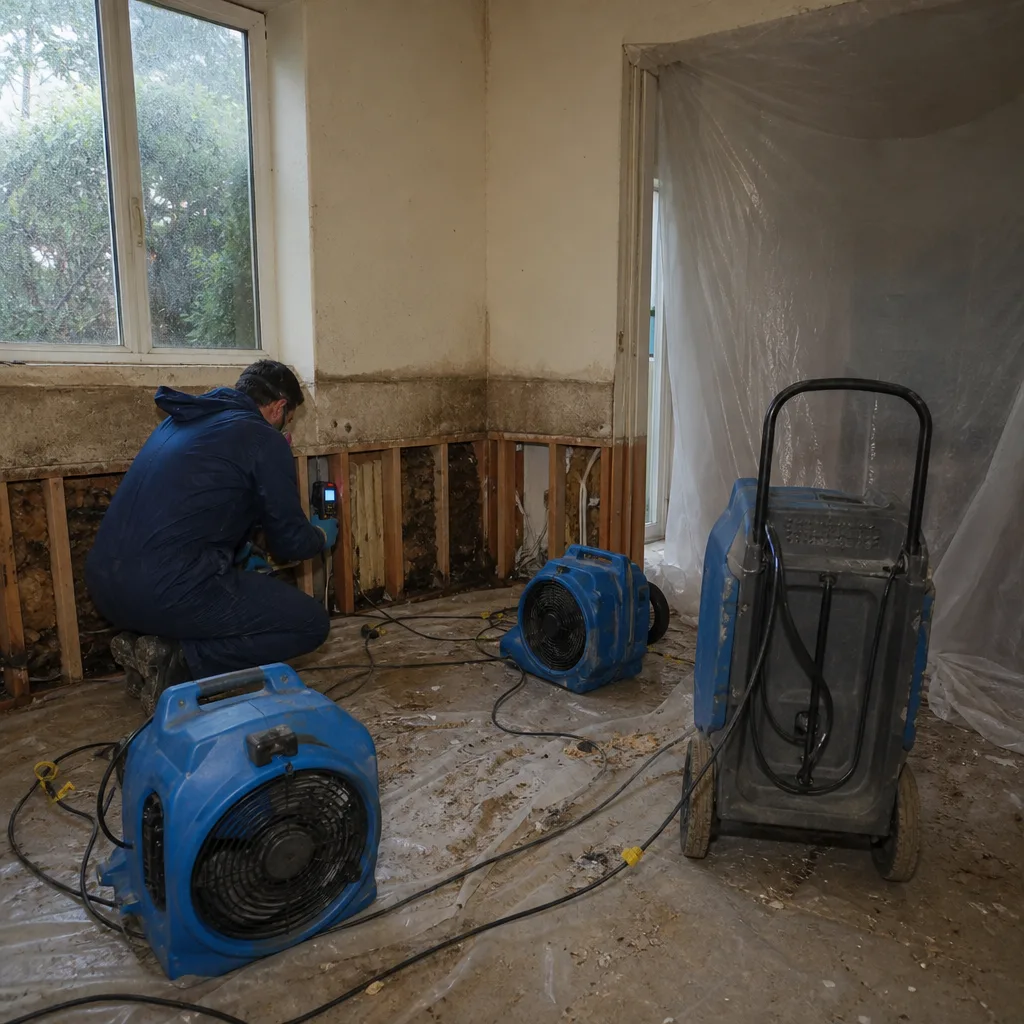 Before
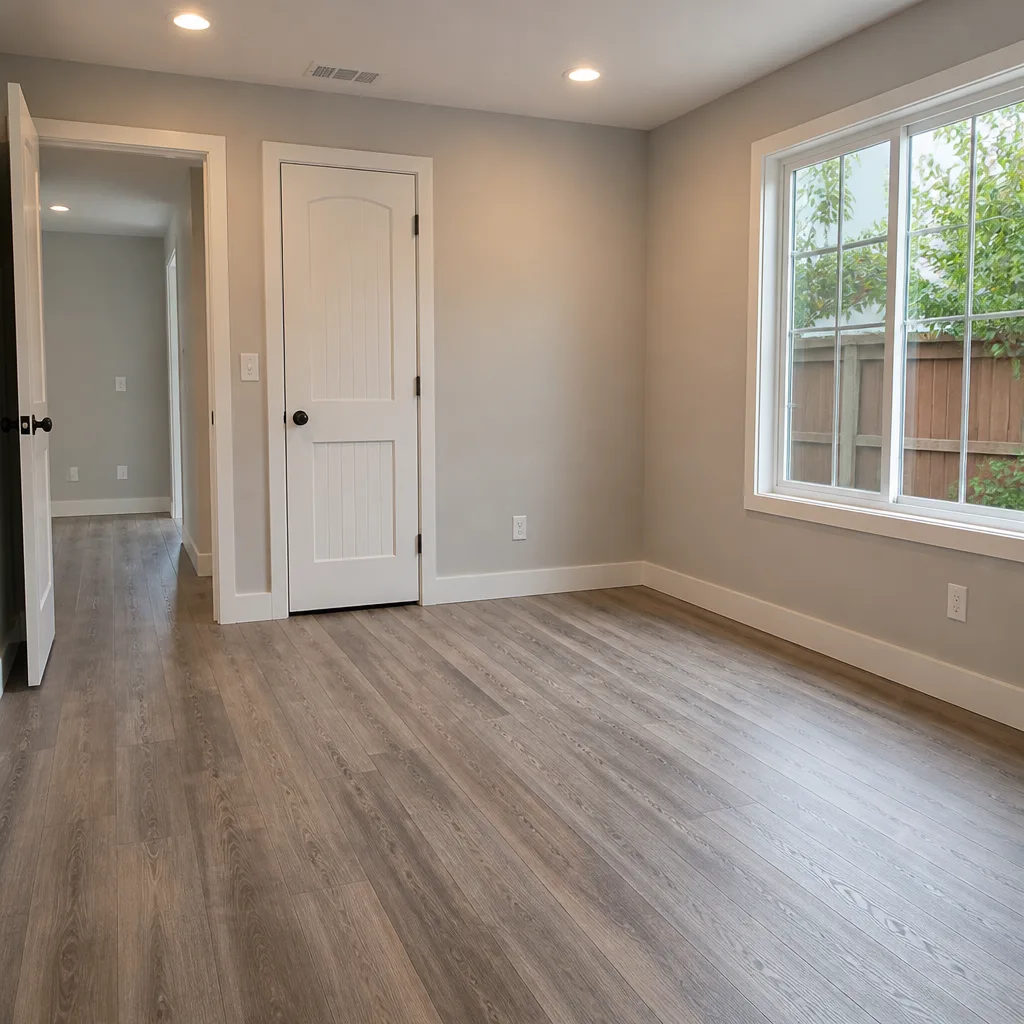 After
After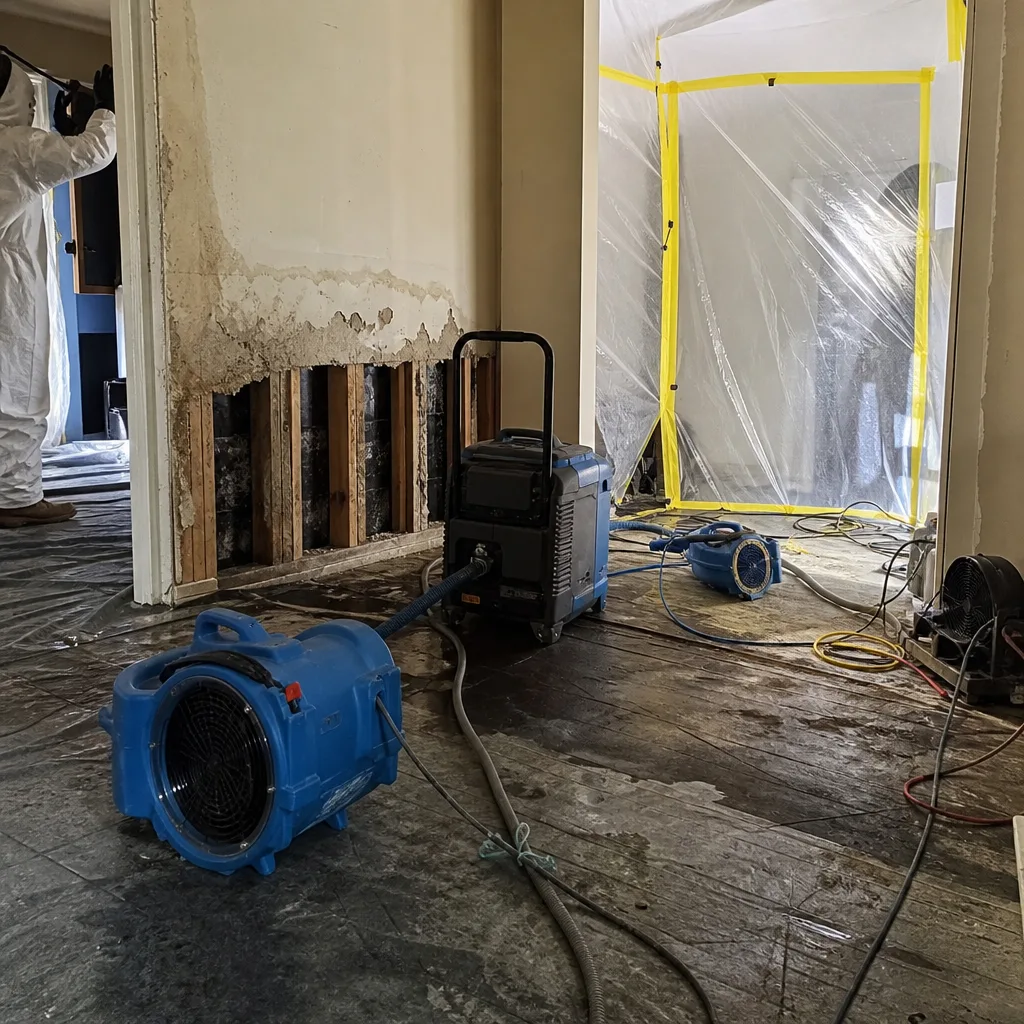 Before
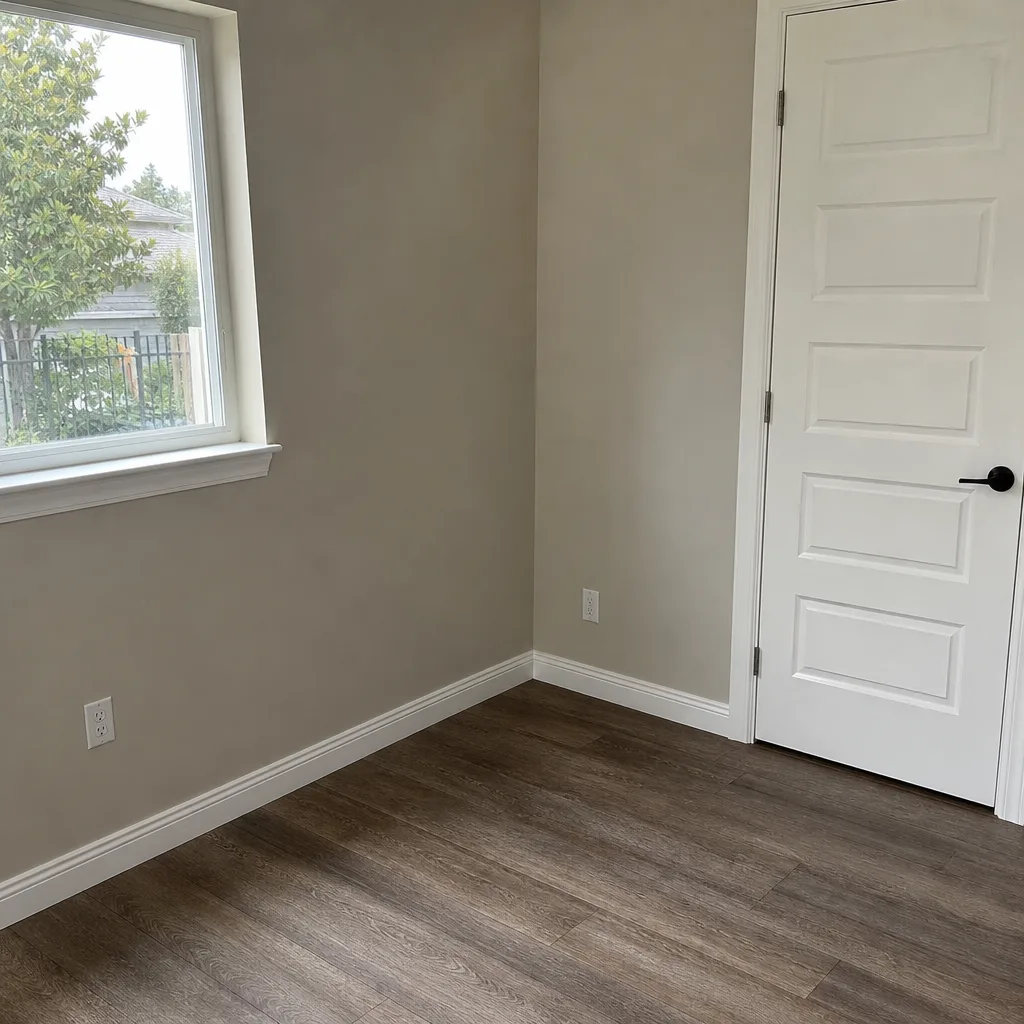 After
After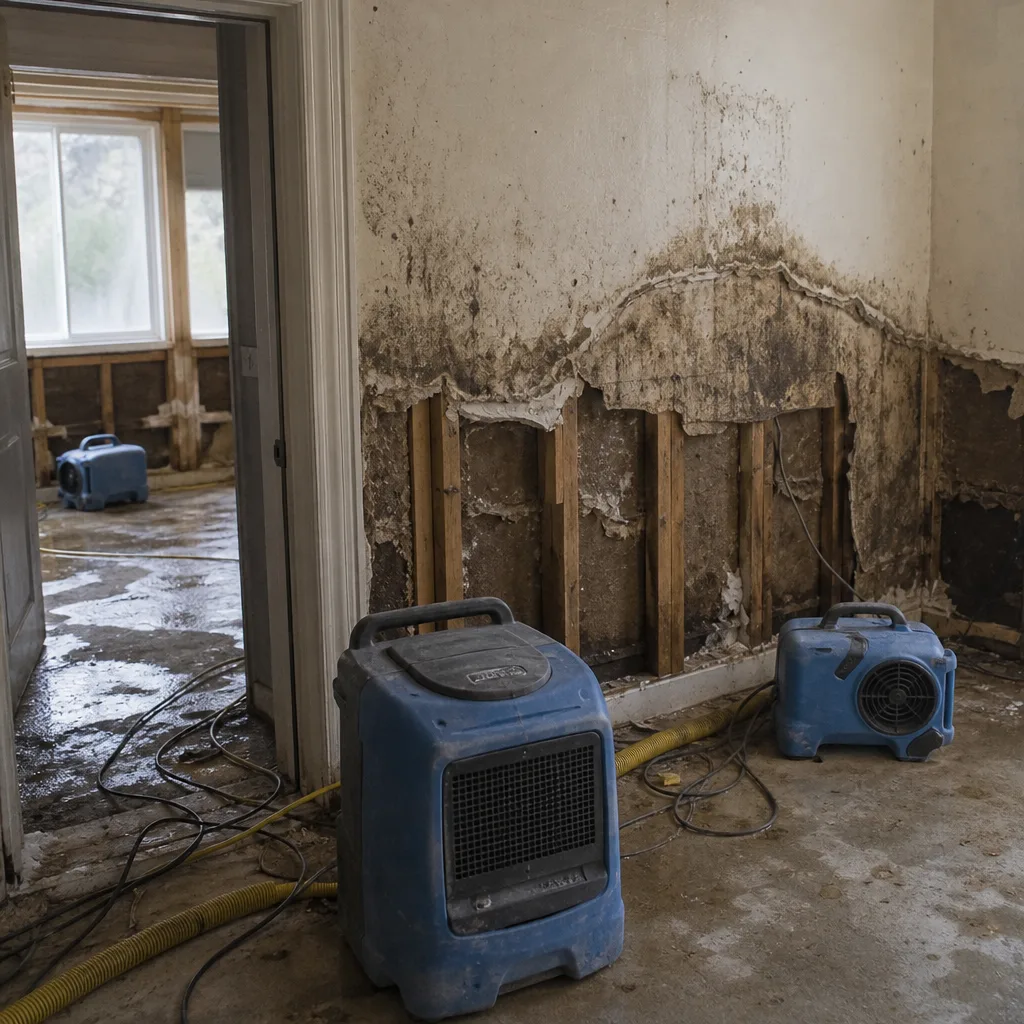 Before
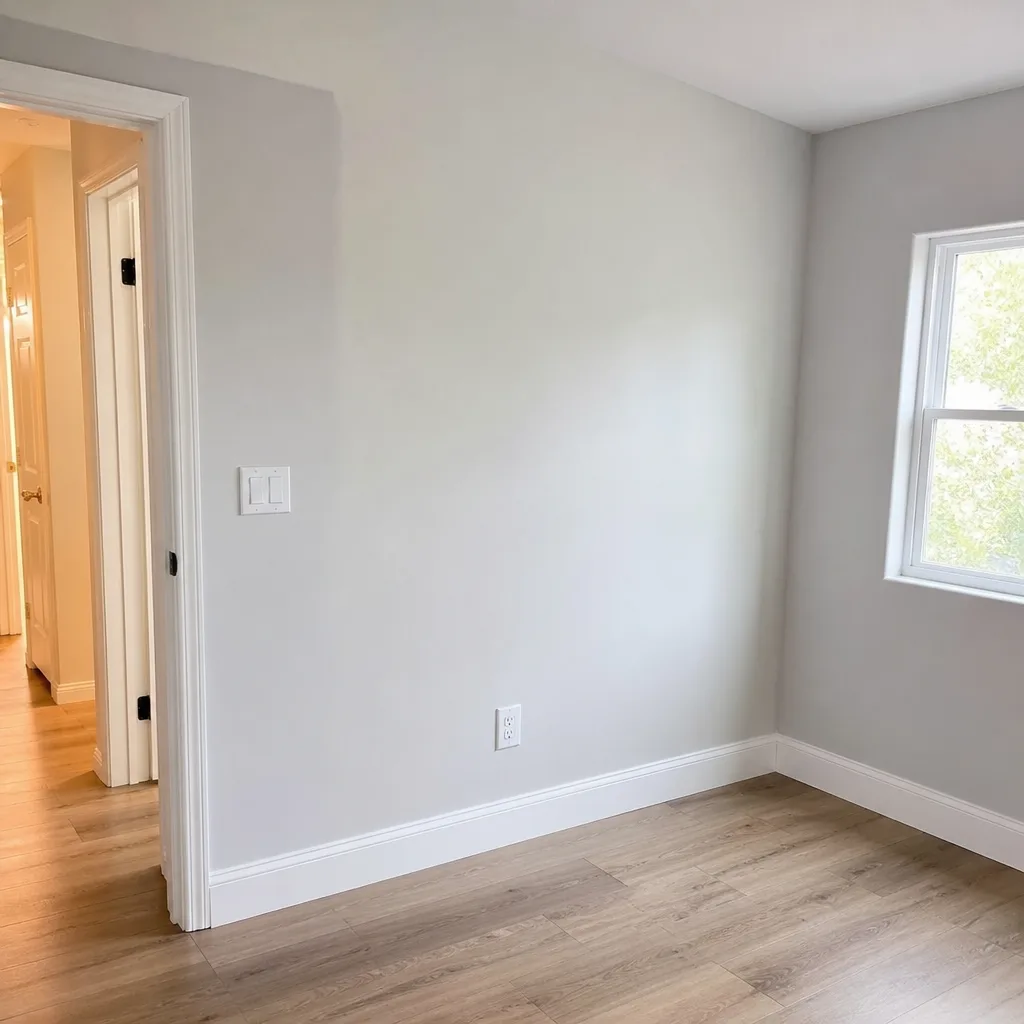 After
After