
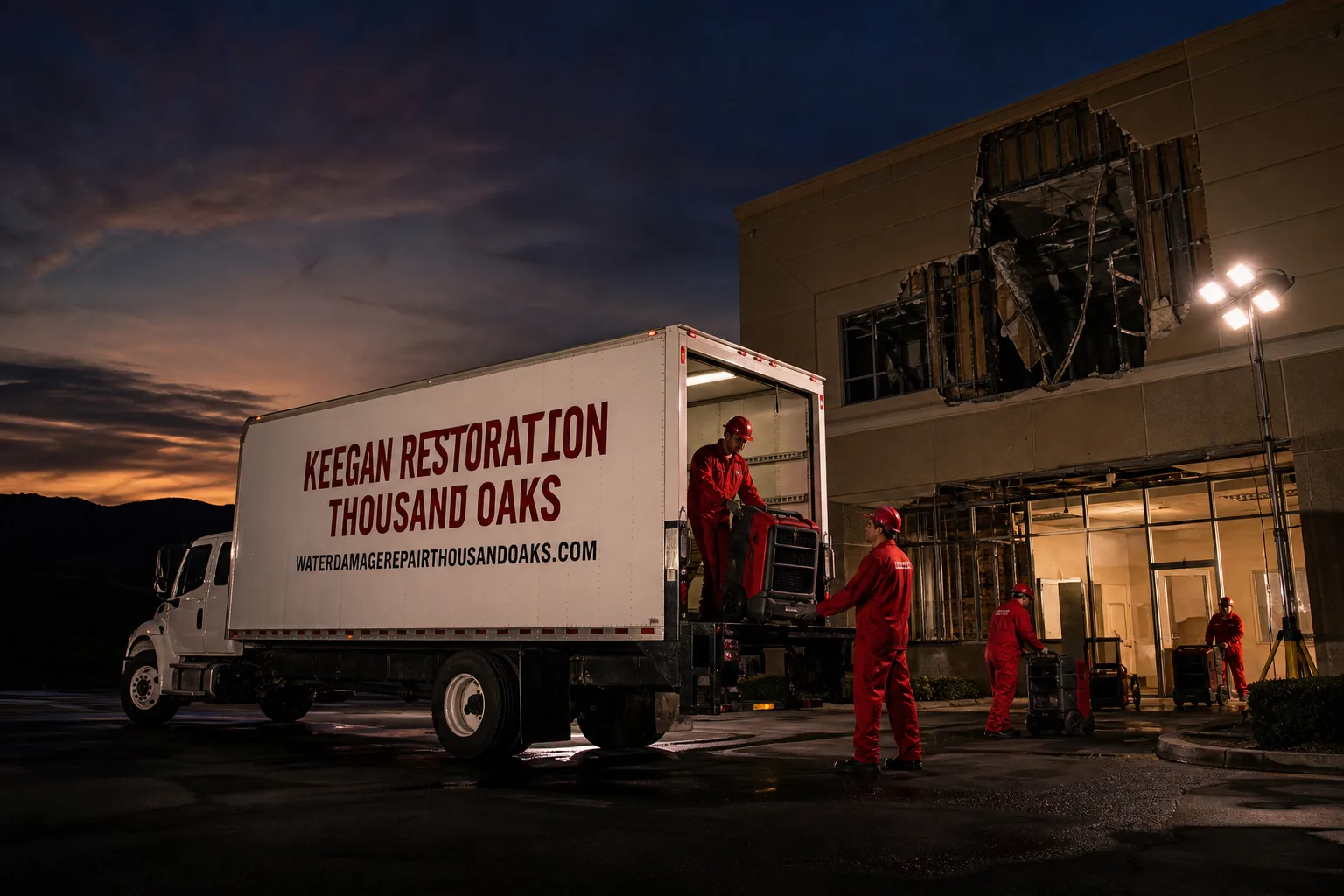
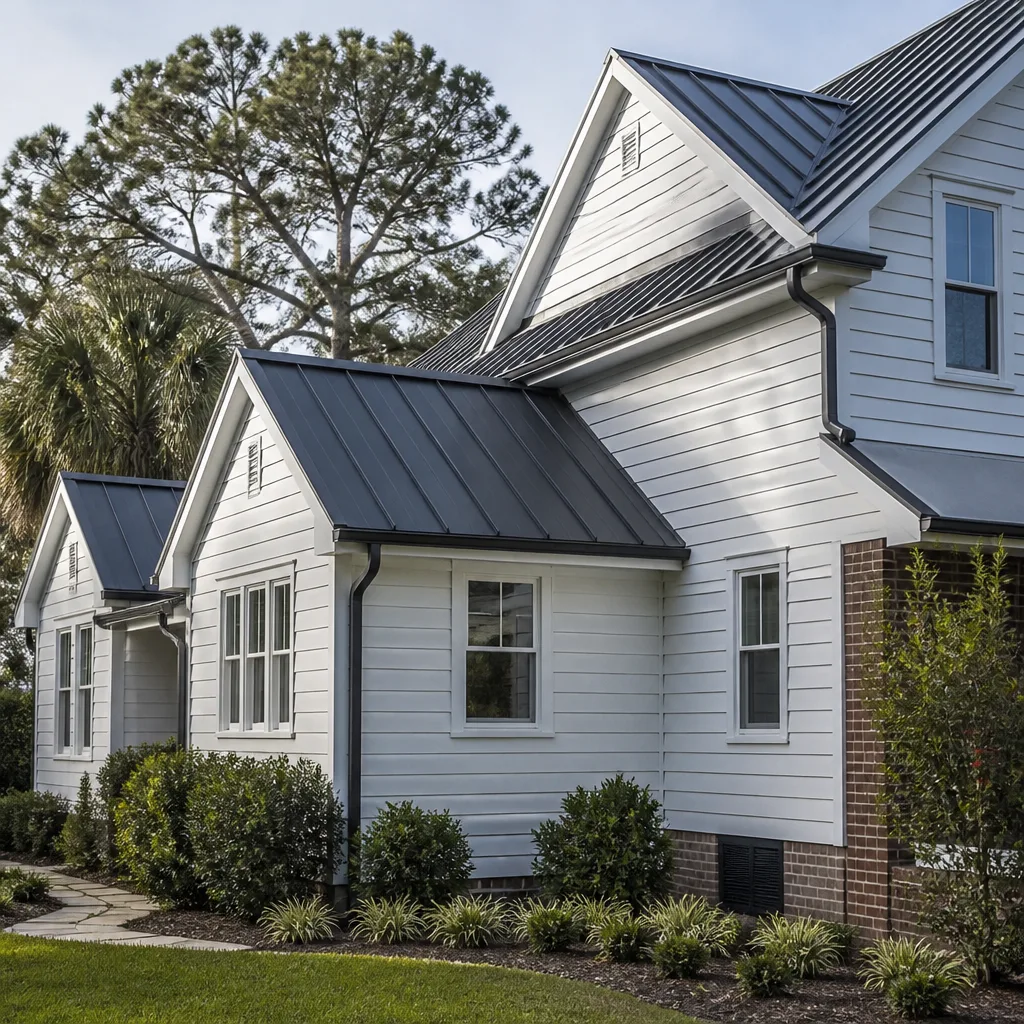
 Storm response
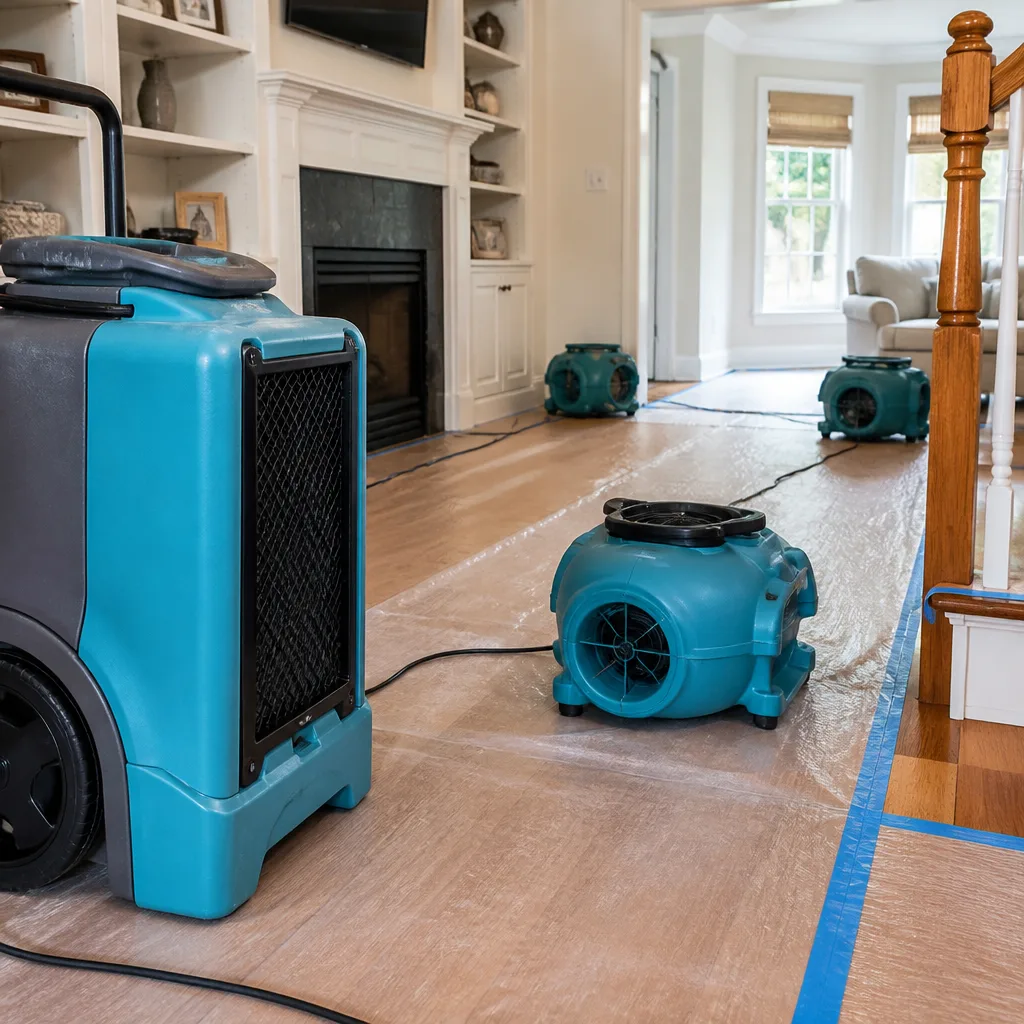 Water damage drying
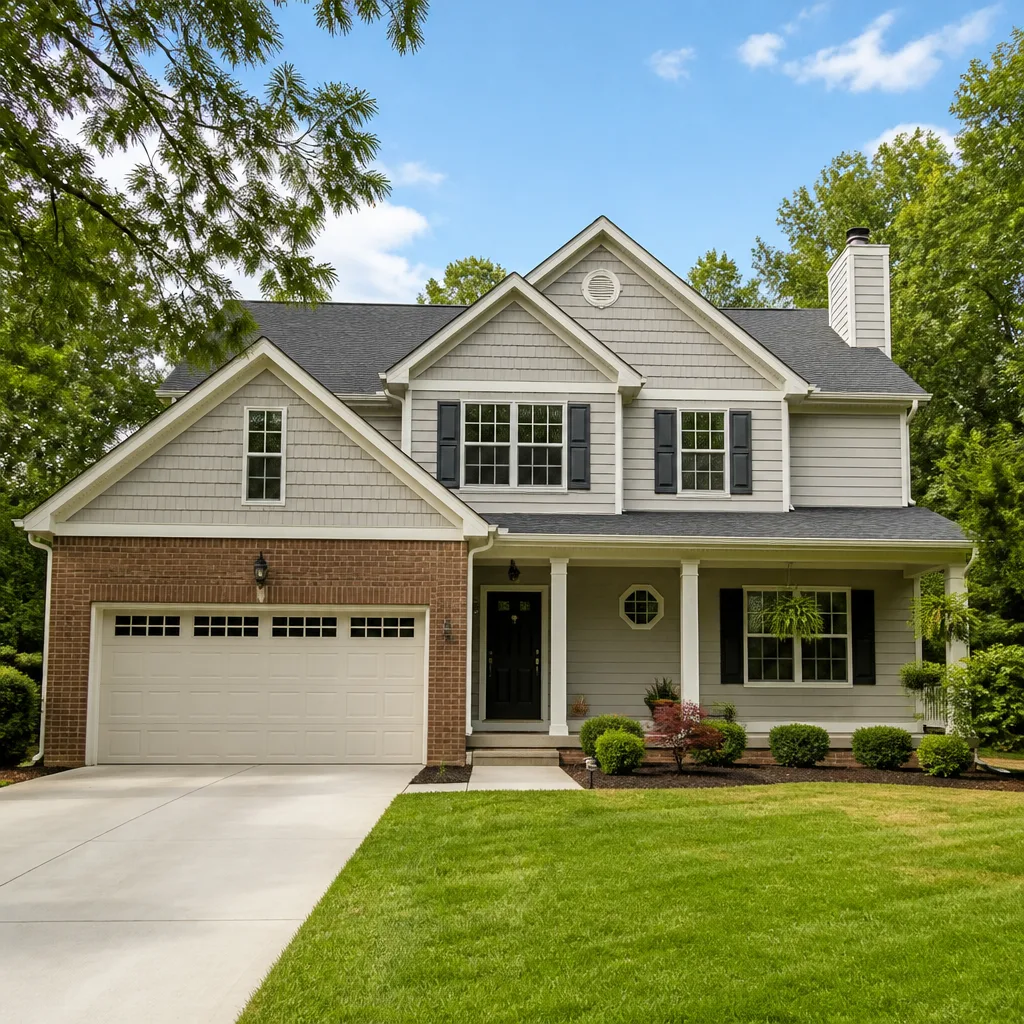 Fire & smoke cleanup
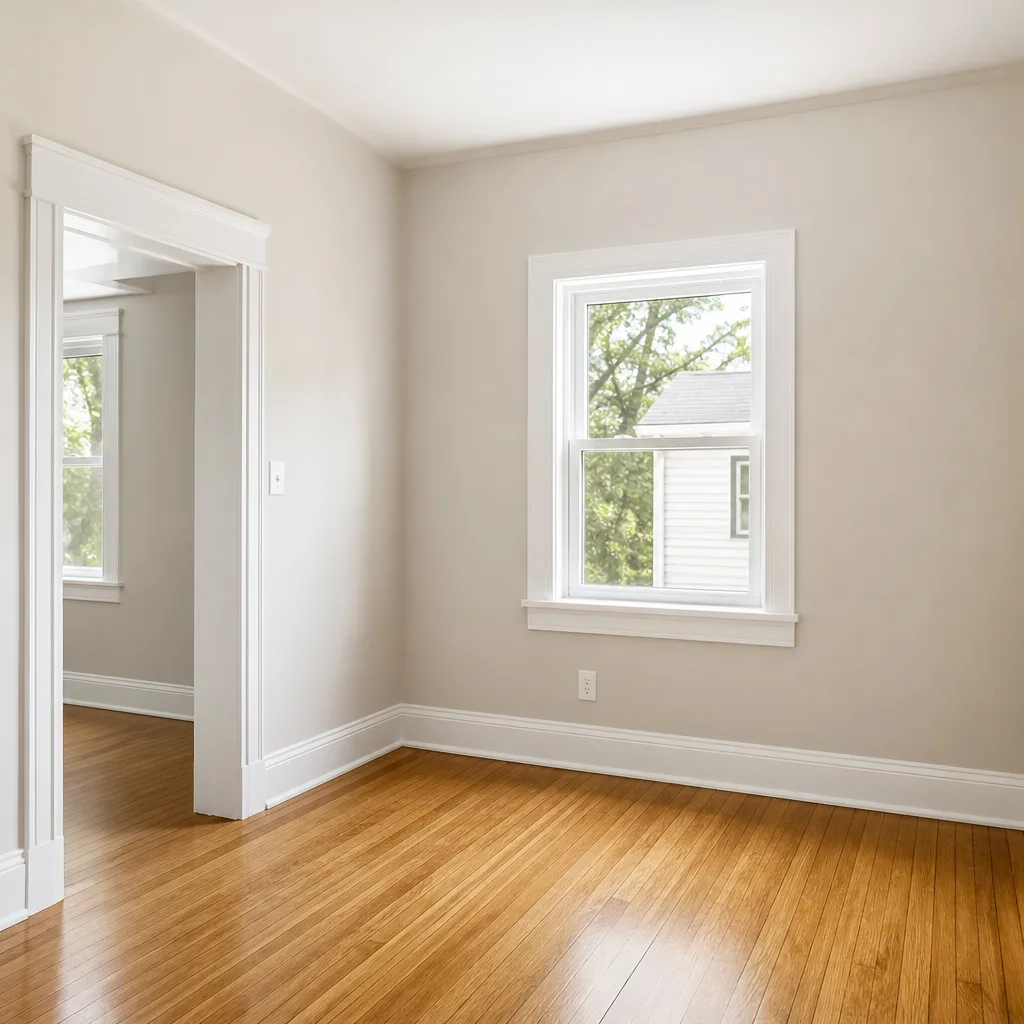 Mold remediation
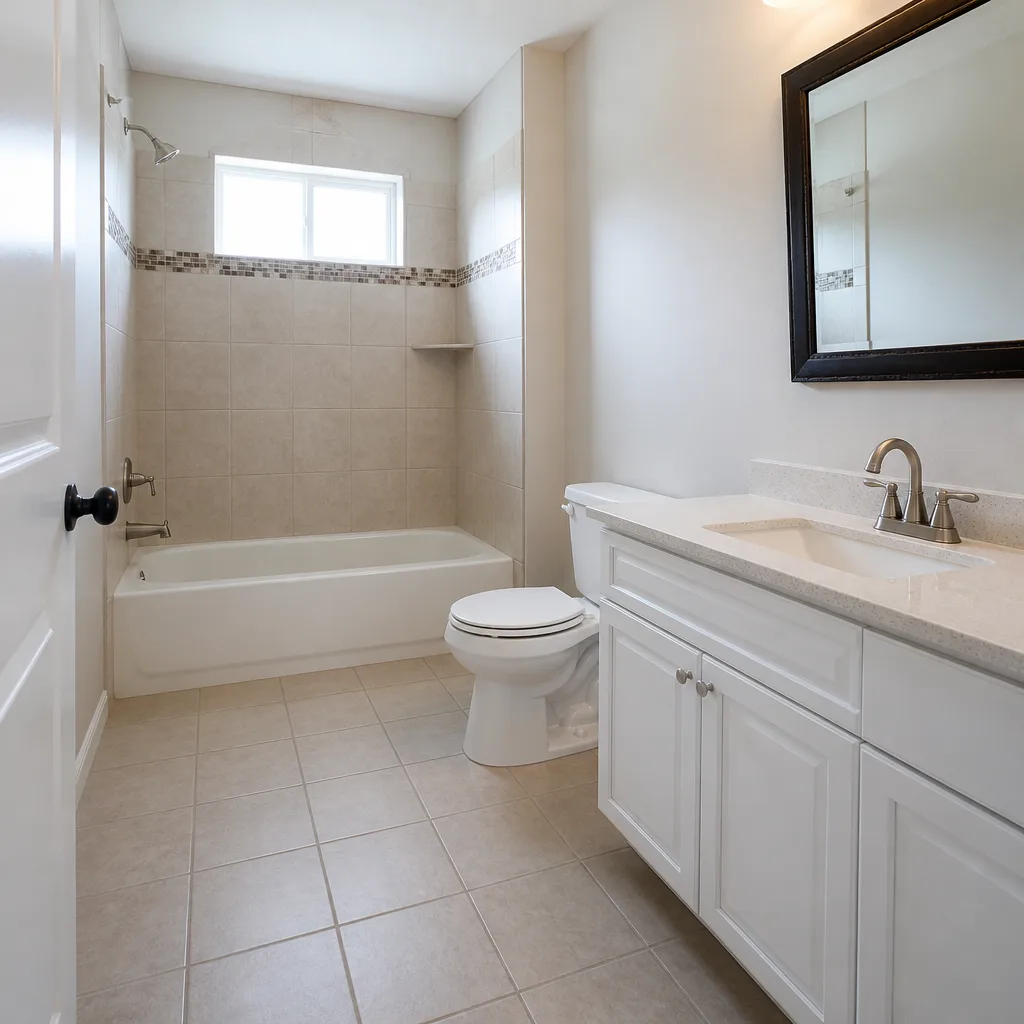 Sewage cleanup
 Reconstruction
Free visual inspection and a written scope of work before any mitigation begins - photos, moisture readings, and drying logs go in your claim file
The scope we write is the scope we bill. Anything new gets shown to you, in writing, before we touch it.
Get your free estimateRestoration work we handle
See the difference
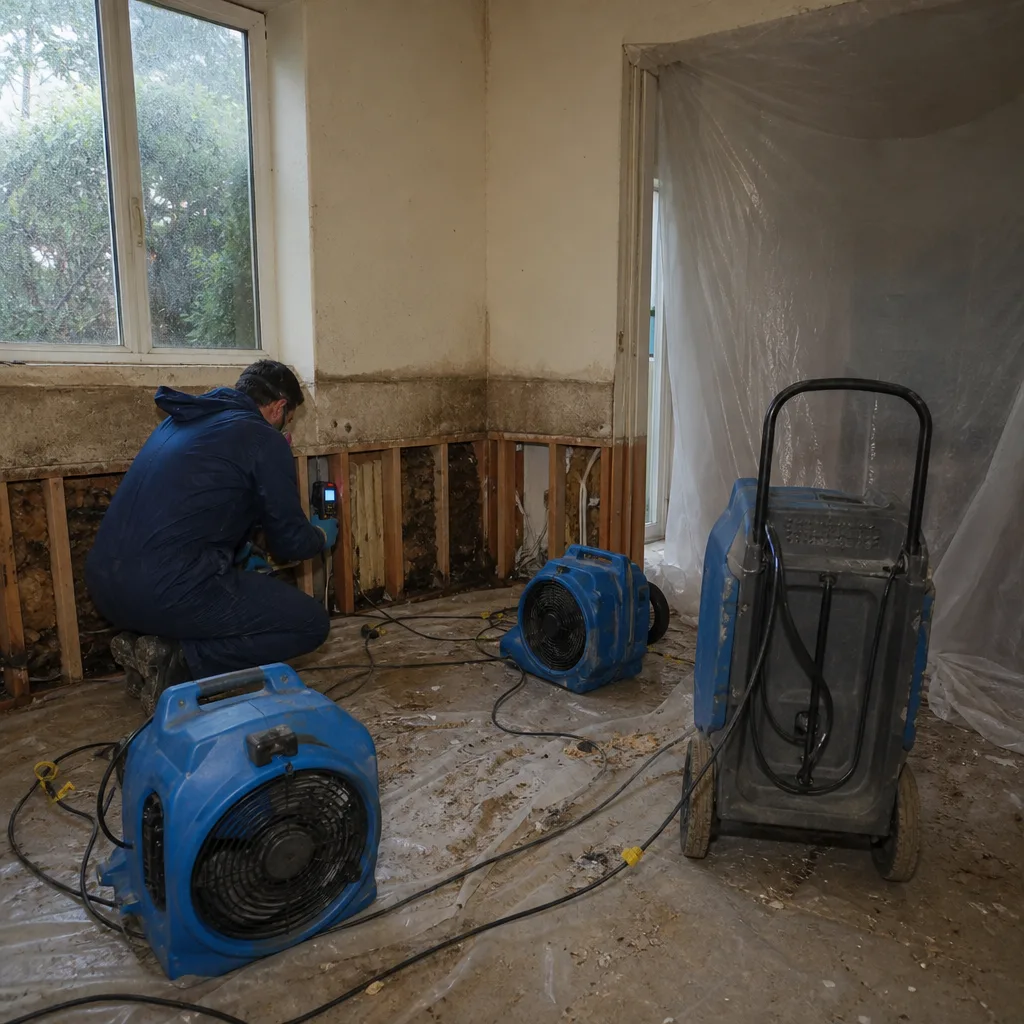 Before
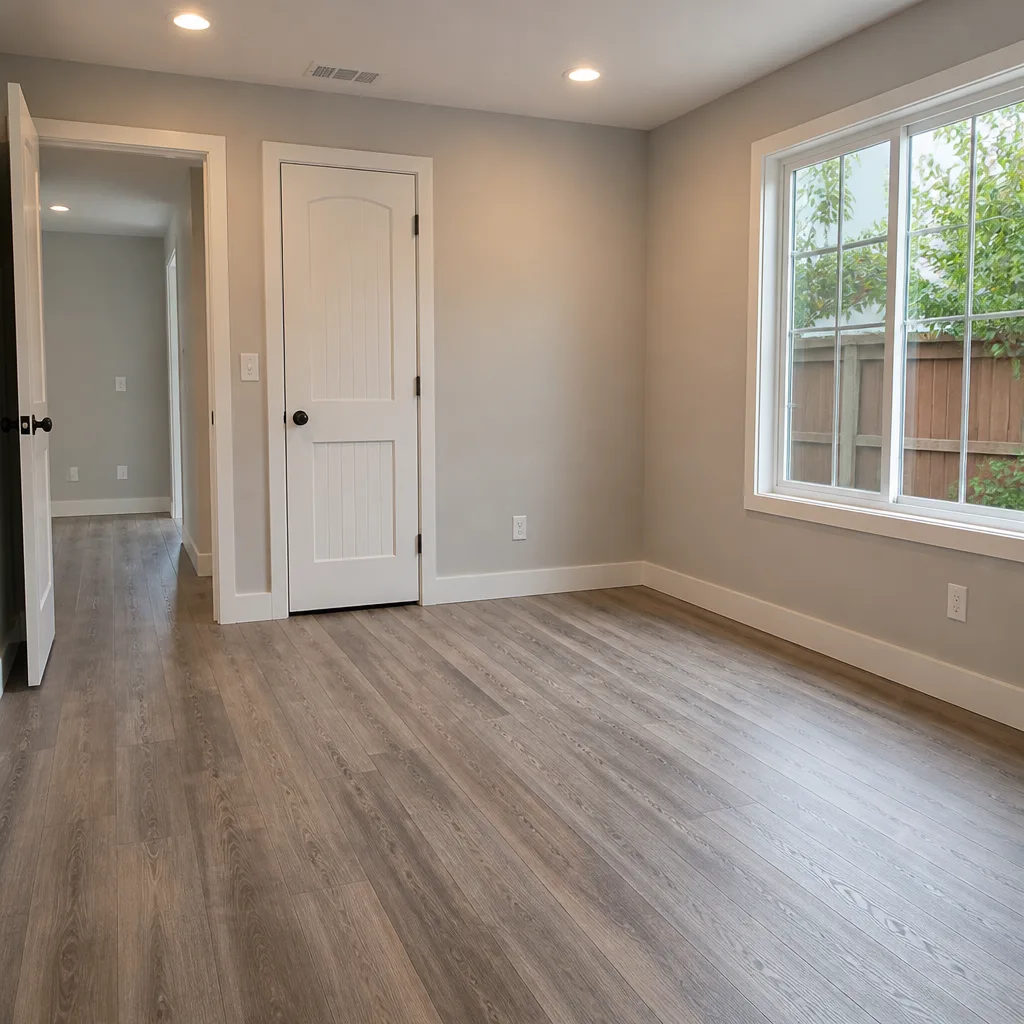 After
After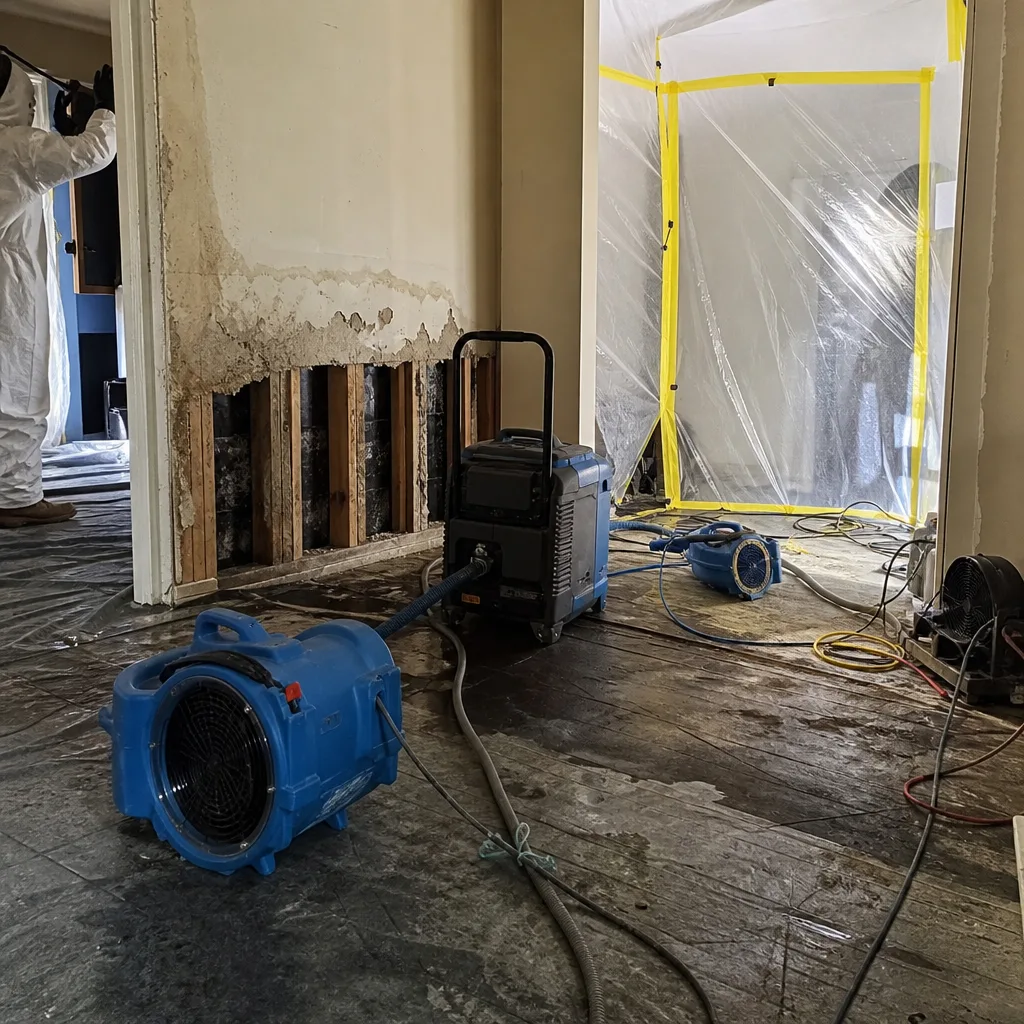 Before
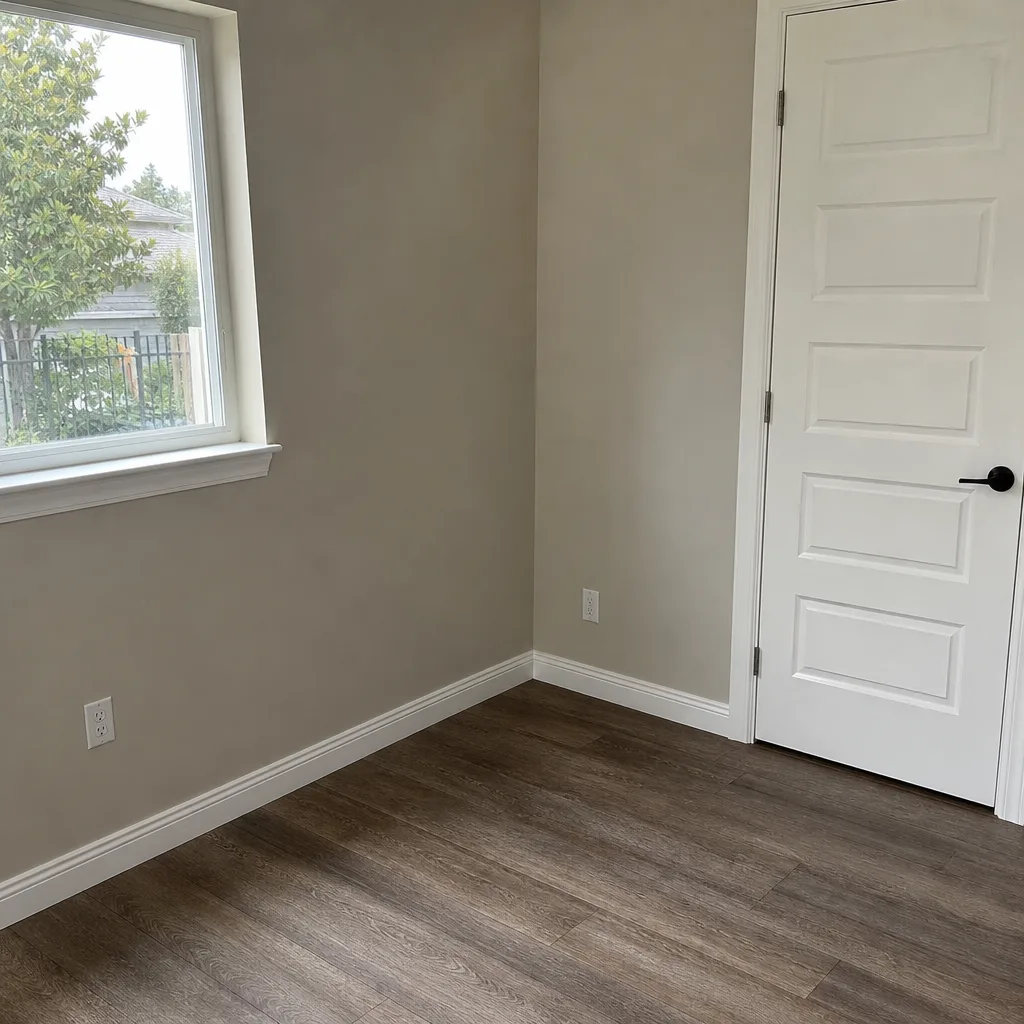 After
After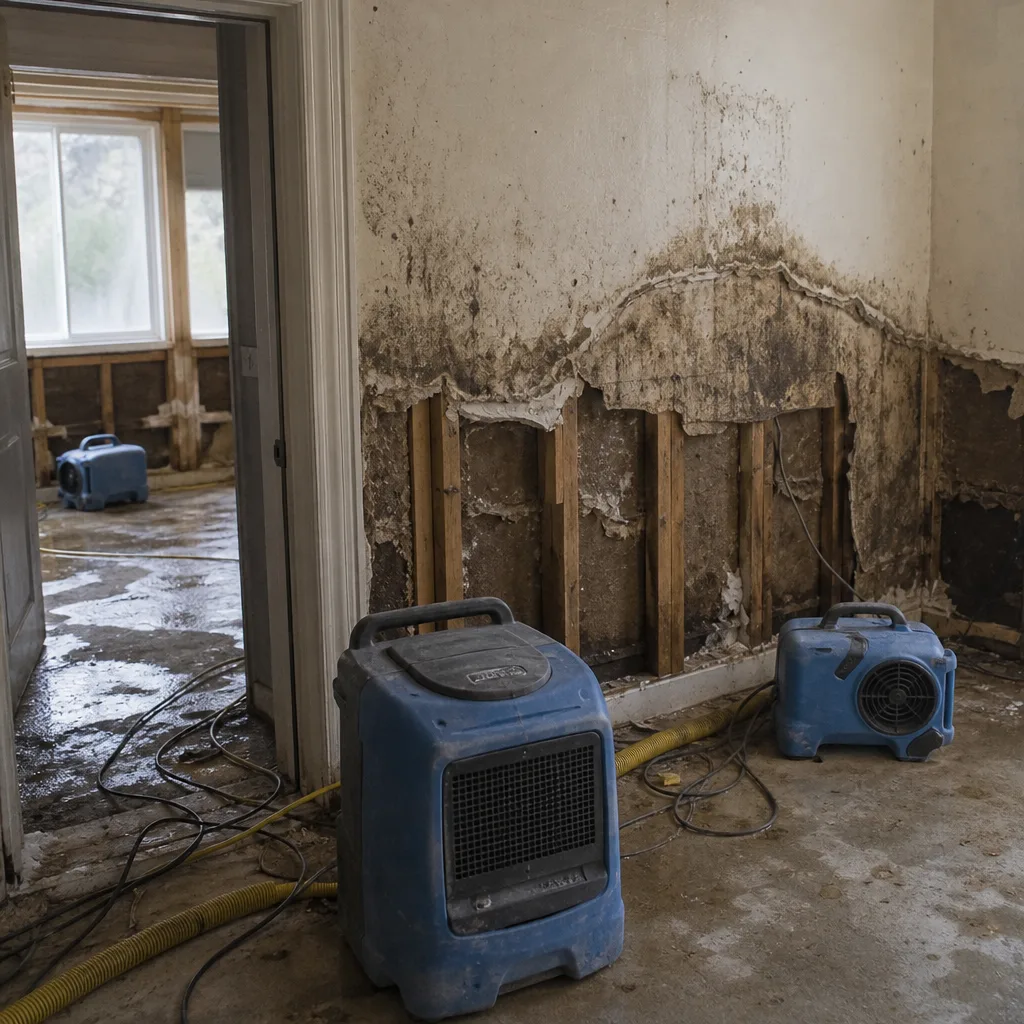 Before
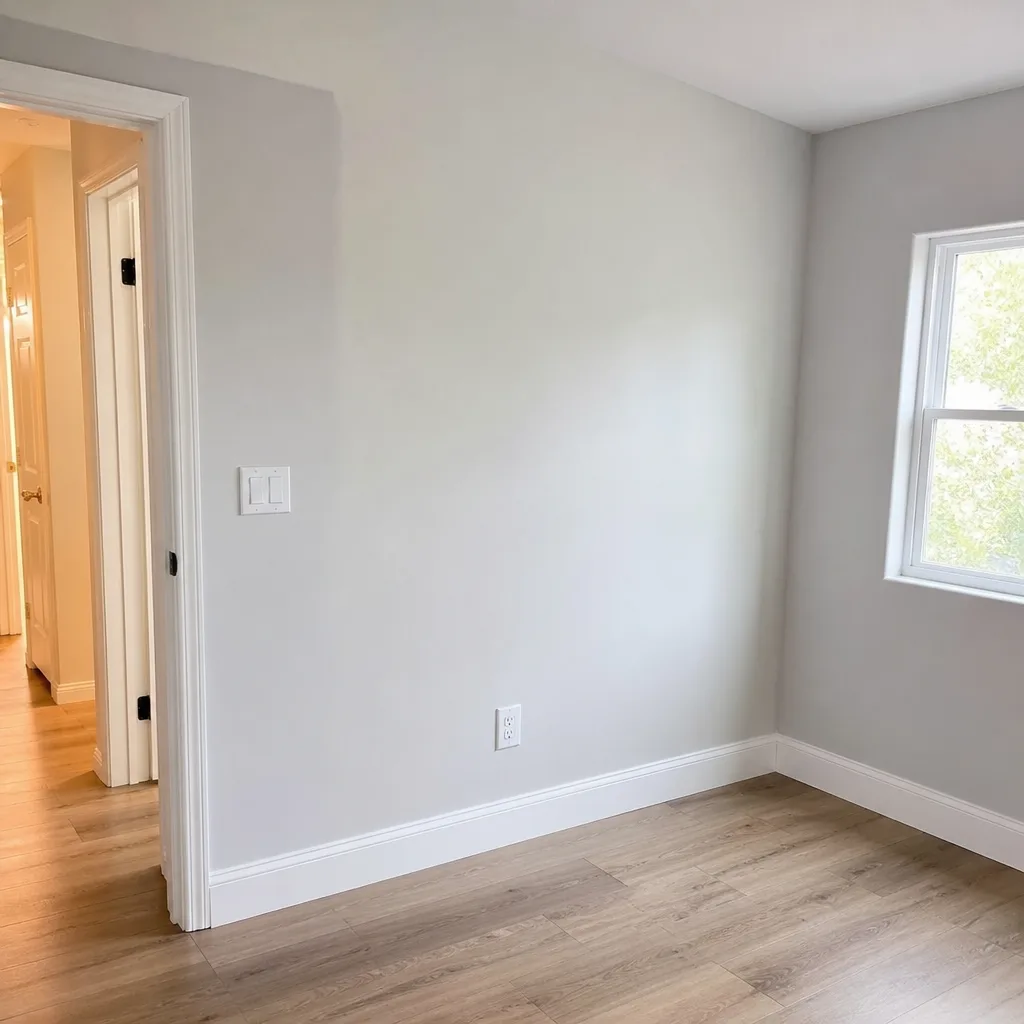 After
AfterHow Much Does Storm & Disaster Restoration Cost in Thousand Oaks?
Storm and disaster restoration in Thousand Oaks typically runs between $3,500 and $25,000 for most residential jobs in 2026, with water extraction and drying starting around $1,800 to $4,500 and full rebuilds after fire or major wind damage reaching $50,000 or more. The final number depends on the scope of loss, the materials affected, and how quickly the damage is addressed. For a written, line-item estimate on your specific situation, call Keegan Restoration Thousand Oaks at (805) 309-3324 – the estimate is free and the price won’t move once it’s in writing.
If you’re dealing with storm damage right now, the most important number to know is that water sitting in your home for more than 48 hours will likely add mold remediation to your bill. In Thousand Oaks, where winter atmospheric rivers and Santa Ana wind events create very different damage profiles, restoration costs track closely with how fast you respond. This guide breaks down real 2026 pricing for the Conejo Valley market so you can plan with realistic expectations.
Storm & Disaster Restoration Cost Breakdown (2026)
Here’s what we’re quoting on storm and disaster work across Thousand Oaks, Newbury Park, Westlake Village, and the surrounding Conejo Valley in 2026. These are real market ranges from actual jobs in this area, not national averages.
| Service | Typical Cost Range | What It Includes |
|---|---|---|
| Water extraction only | $1,800 – $4,500 | Standing water removal, initial moisture mapping, containment setup |
| Structural drying (3 – 5 days) | $2,500 – $6,000 | Commercial air movers, dehumidifiers, daily moisture readings, psychrometric monitoring |
| Roof tarping / emergency board-up | $450 – $1,800 | Securing the home after wind or tree damage, temporary weather protection |
| Full water restoration (mitigation + rebuild) | $6,000 – $20,000 | Extraction, drying, drywall replacement, flooring, paint, trim |
| Fire damage restoration (minor to moderate) | $8,000 – $35,000 | Soot cleanup, odor treatment, structural repairs, smoke damage to adjacent rooms |
| Mold remediation (contained area) | $2,000 – $8,000 | Containment, HEPA air filtration, removal, antimicrobial treatment |
| Whole-home storm rebuild | $40,000 – $85,000+ | Multi-room reconstruction after major water, fire, or wind event |
What drives these numbers up or down in Thousand Oaks specifically? The age of your home matters a lot. Thousand Oaks has thousands of homes built between 1960 and 1985, and many still have original plumbing and single-pane windows. Older framing absorbs water differently than newer construction, and homes in neighborhoods like Wildwood or Lynn Ranch often have crawl spaces that need additional drying time. That’s labor and equipment days added to your scope of loss.
Distance from the coast matters too. Thousand Oaks runs hot and dry in summer and gets real wind in fall, which accelerates drying but also spreads fire damage faster. A moisture event in July behaves differently than one in January. We factor that into the drying plan and the price.
What Affects Storm & Disaster Restoration Pricing in Thousand Oaks
Here’s what pushes a Thousand Oaks storm restoration bill up or down. None of these are surprises once you understand how restoration gets priced, but they’re worth knowing before you call a contractor.
- Water class and category. Clean water from a burst supply line costs less to handle than Category 3 water from storm flooding or a sewer backup. Category 3 means contaminated water, which means more PPE, more disposal, and more demolition. In Thousand Oaks, December and January storm flooding almost always means Category 3 on ground-level rooms.
- How long the water sat before extraction started. Water moves through drywall, wicks up into framing, and finds its way under flooring within hours. If you caught the leak at 7 a.m. and we’re extracting by 10 a.m., the job is smaller. If the water sat overnight or through a weekend, expect the scope and the price to climb.
- Home construction and layout. Homes in the Dos Vientos area with slab-on-grade foundations dry differently than older homes near Conejo Valley’s original 1960s tracts with pier-and-beam crawl spaces. Multi-story homes mean vertical water migration, which means more drywall cuts and more drying equipment on more floors.
- Contents affected. Furniture, area rugs, and stored belongings that absorbed water need to be cleaned, dried, or documented as unsalvageable for your insurance claim. Every item adds time and either restoration cost or documentation to support your claim.
- Insurance involvement. If you’re filing an insurance claim, the adjuster’s scope of loss and our documentation need to align. Our job documentation is formatted to support your claim, which often means the insurance carrier covers a bigger share of the bill. That process adds time but reduces your out-of-pocket.
- Access and safety constraints. Homes on hillside lots in Thousand Oaks, especially around the Santa Monica Mountains interface, sometimes need special equipment access planning. Tight driveways, retaining walls, and steep lots affect equipment staging and can add a small line item for access and labor time.
If you’d rather skip the guesswork, call (805) 309-3324 and we’ll walk through your situation on the phone. A live person answers, day or night. Then we send a technician to assess and put the scope of loss in writing before any work starts. That’s The Garrison Standard, and it’s how every job at Keegan runs.
How the Restoration Process Works (And What It Costs at Each Stage)
Storm and disaster restoration in Thousand Oaks follows a standard sequence whether the source is a fallen tree, a flooded garage, or a smoke-filled living room. Understanding the stages helps you understand the invoice. Here’s the step-by-step breakdown, with 2026 Thousand Oaks pricing attached to each phase.
Stage 1: Emergency Response & Assessment
When you call, a live person answers and dispatches a crew. In Thousand Oaks, we typically arrive inside 60 to 90 minutes for water emergencies, depending on traffic on the 101 or the 23. The technician walks the property, identifies the water source (or confirms the fire is out and the structure is safe), and measures moisture levels with professional meters.
Typical cost: $0. Assessment and written estimate are free. No charge to look, document, and price the job. If you decide to proceed, the price gets put in writing before anything else happens.
Stage 2: Extraction & Containment
This is the stage where we remove standing water using truck-mounted or portable extraction units made by Dri-Eaz and XPOWER. We also set containment barriers so water doesn’t migrate into unaffected rooms, and we remove soaked materials that can’t be saved, like saturated carpet padding or crumbling drywall.
Typical cost: $1,800 – $4,500 for a standard Thousand Oaks home with water in one or two rooms. Larger flooded basements or multi-room incidents run higher depending on how much standing water must be removed and how much demolition is required.
Stage 3: Structural Drying
This is where psychrometrics comes in, and it’s the stage many homeowners find confusing. Psychrometrics is the science of managing temperature, humidity, and airflow inside the affected space. Our technicians calculate how many air movers and dehumidifiers the space needs, then place them strategically to dry framing, subfloor, and drywall over a measured period of days, not hours.
Thousand Oaks’s dry climate helps here, but the same Santa Ana winds that keep the Valley parched also dump fine dust into open wall cavities during drying. We use professional-grade equipment from Dri-Eaz, Phoenix, and B-Air, and desiccant drying where humidity stubbornly holds in enclosed spaces. Desiccant drying uses materials that actively pull moisture from the air, which is especially useful in Thousand Oaks crawl spaces and attics.
Typical cost: $2,500 – $6,000 for three to five days of monitored drying. Daily moisture readings come with the job, and every reading is logged in writing to support your insurance claim.
Stage 4: Repairs & Rebuild
Once everything reads dry on the meters, the rebuild starts. Drywall goes back up, flooring gets replaced, paint goes on, and trim gets installed. This is also where fire restoration work turns from cleanup to reconstruction in the Conejo Valley.
Typical cost: $3,000 – $20,000+ depending on rooms affected, finishes selected, and whether structural framing needed replacement or repair.
Stage 5: Final Documentation & Guarantee
Every job we do gets documented: photos before, during, and after, moisture readings by day, equipment logs, and a final scope of work report. This documentation is formatted to support your insurance claim, which in Thousand Oaks means dealing with carriers who want line-item detail. Then every repair gets backed by our 365-Day Done Right Promise: a written, one-year guarantee. If something fails within that year, we come back and make it right at no charge.
Typical cost: included with every job at no extra line item.
How to Save on Storm & Disaster Restoration
Saving money on storm restoration in Thousand Oaks is mostly about timing and documentation. Here’s the practical list, straight from the trade.
- Call before 48 hours pass. The single biggest cost multiplier in water damage is mold. Once mold sets in, remediation gets added to the scope and the price climbs. Water left sitting also destroys more material, which means more demolition and more rebuild. Call (805) 309-3324 the moment you discover the damage, even if it’s 2 a.m. A live person answers around the clock.
- Document everything before anyone touches anything. Photos of the damage, the water line, the affected contents. The more documentation you have from hour one, the smoother the insurance claim goes, and the more of the invoice the carrier typically covers.
- Get the scope of loss in writing before work starts. A written scope of loss lists exactly what will be done and what it costs. If a contractor won’t put it in writing, walk away. Our written price is delivered before any work begins, and it never moves at the door.
- Don’t skip containment. Some contractors skip proper containment to save time on their end, but water damage spreads fast in Thousand Oaks homes. Proper containment in the first hours prevents a two-room job from becoming a whole-house job.
- Act on the first signs of trouble. A small leak under the sink, a damp spot on the ceiling, a musty smell in the garage. These are all cheap to fix early and expensive to fix late. In Thousand Oaks’s dry climate, small leaks sometimes hide for months before showing themselves.
- Use a contractor who documents to insurance standards. Restoration that gets documented properly gets reimbursed properly. That’s not a cost-cutting trick; it’s how the claim math works. Our job docs are formatted for insurance adjusters from the start.
If you want a free estimate and a written price on your specific situation, call (805) 309-3324. The estimate costs nothing and the number we give you is the number you’ll pay. That’s the way home restoration should work, and it’s the way Keegan has run since joining the Garrison Partners family in 2005.
Thousand Oaks Storm Damage: What We See Most Often
Every market has its signature damage profile, and Thousand Oaks has two distinct seasons of problems. Knowing which one applies to you helps set expectations for scope and cost.
Winter Atmospheric Rivers
When an atmospheric river slams into the Santa Monica Mountains, Thousand Oaks catches heavy rain and the ground saturates fast. The hillside neighborhoods around Lynn Ranch and the canyons near the 23 see water moving downhill with real force, and that water finds its way into garages, daylight basements, and ground-floor rooms. Clay-heavy soil in the older Conejo Valley tracts doesn’t absorb water quickly, so runoff pools against foundations and seeps through slab cracks and weep holes.
Typical winter storm jobs: flooded garages, water intrusion through stucco walls, ceiling collapses from roof leaks, and ground-floor water damage. Cost range: $3,000 to $15,000 depending on how many rooms and how much drywall.
Santa Ana Wind Events
Fall brings the winds, and the winds bring the trees. Thousand Oaks has a mature urban forest, and when 60 to 70 mph gusts hit, branches and whole trees come down on roofs, fences, and power lines. The damage tends to be sudden and structural: punctured roofs, broken windows, and water intrusion through storm-damaged sections that rain exposes hours or days later.
Typical wind event jobs: roof tarping, emergency board-up, water damage through breached roofs, and exterior repair. Cost range: $450 to $1,800 for emergency securing, then $5,000 to $25,000 for the restoration and rebuild work that follows.
Regardless of which Thousand Oaks weather event brought the damage, the sequence is the same: secure the property first, stop the water, dry the structure, then rebuild. We do all of it under one written scope of loss, and we document every stage to support your insurance claim. For the full breakdown of our storm and disaster restoration process in the Conejo Valley, see Storm & Disaster Restoration in Thousand Oaks.
FAQs – Storm & Disaster Restoration Cost
How much does storm damage restoration cost in Thousand Oaks?
Storm damage restoration in Thousand Oaks costs between $3,500 and $25,000 for most residential jobs in 2026. Minor water extraction with drying runs $1,800 to $4,500, while whole-home reconstruction after major wind or flood damage can exceed $50,000. Call (805) 309-3324 for a free, written estimate on your exact situation.
Does homeowners insurance cover storm and disaster restoration?
Most Thousand Oaks homeowners policies cover sudden storm damage from wind, rain, falling trees, and fire, though flood damage from rising water typically requires a separate flood insurance policy. The documentation makes the difference in what gets reimbursed, which is why Keegan logs every moisture reading, photo, and scope change in writing. Call (805) 309-3324 and we’ll walk through what your claim will likely need.
How fast can you start after I call?
We answer every call with a live person, 24 hours a day, and we dispatch crews to Thousand Oaks addresses within 60 to 90 minutes for water emergencies. The faster extraction starts, the lower your final bill, which is why we don’t put emergency calls into a call-back queue. Call (805) 309-3324 now if water is actively entering your home.
What does the 365-Day Done Right Promise actually cover?
The 365-Day Done Right Promise is a written guarantee on every repair we make: if the work fails within one year, we return and make it right at no charge. It covers workmanship and materials we installed. The promise is part of The Garrison Standard, and it’s on every repair contract. Call (805) 309-3324 if you have a covered issue and we’ll schedule the return visit.
Is it cheaper to repair storm damage yourself?
For structural water damage or anything involving electrical, gas lines, or standing water in Thousand Oaks, no. Professional-grade extraction equipment and structural drying cost less than the mold remediation, damaged framing, and insurance claim fights that come from a partial DIY dry-out. What you can safely do yourself is put down tarps, move furniture, and turn off the water. Call (805) 309-3324 before moving anything heavy or cutting into walls.
Do you charge for estimates?
No. Estimates are free, and the written price we give you before work starts is the price you pay. We don’t move the price at the door, and we don’t add line items mid-job without a written change order that you approve first. Call (805) 309-3324 to schedule a free assessment.
Why Thousand Oaks Homeowners Call Keegan Restoration
Shane Pruitt leads the Keegan Restoration Thousand Oaks team, and the way we run jobs reflects how he runs the business: show up inside the window we gave you, put the price in writing before touching anything, do the work by the book, leave the site clean, and stand behind the work for a full year. That’s The Garrison Code, and it’s been the operating standard since Keegan joined the Garrison Partners family in 2005.
Every Keegan technician is background-checked and arrives in uniform. Every job uses professional-grade equipment from Dri-Eaz, Phoenix, XPOWER, B-Air, and Injectidry, operated to IICRC, RIA, and IFA industry standards. And every job gets documented in full so your insurance claim has what it needs. If the repair fails within a year, the written guarantee brings us back at no charge. That’s the 365-Day Done Right Promise, and it’s in writing on every repair.
If you’re dealing with storm or disaster damage in Thousand Oaks, Newbury Park, Westlake Village, or anywhere in the Conejo Valley, call (805) 309-3324. A live person answers now. We’ll dispatch a crew, assess the damage, and put a written estimate in your hand. The price is what it is, and it won’t move once you sign. That’s how restoration should work.
Pricing reflects the Thousand Oaks market as of 2026. Keegan Restoration Thousand Oaks offers free estimates – call (805) 309-3324.
Written by Shane Pruitt, Owner at Keegan Restoration Thousand Oaks, serving Thousand Oaks since 2005.
What Our Customers Say
"Fire damage in the kitchen from a stove flare-up. They cleaned the soot, removed the burnt cabinets, and deodorized the house."
- Lorraine D."Documented everything with photos for my insurance. No arguments from the adjuster."
- Carmen R."Quiet, focused crew. Everyone had a job and they did it."
- Alice M.