
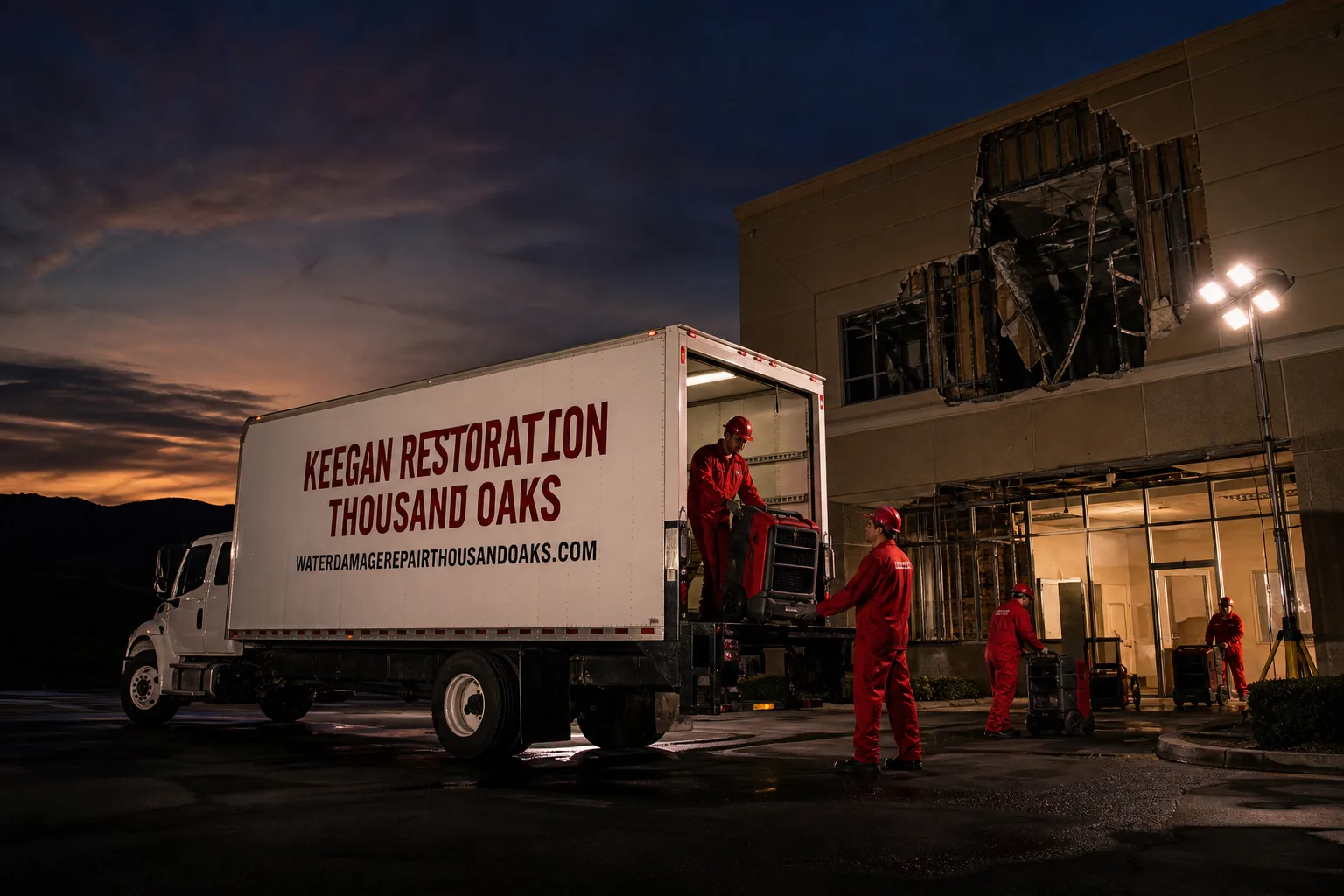
 Water damage drying
 Fire & smoke cleanup
 Mold remediation
 Storm response
 Sewage cleanup
 Reconstruction
Free visual inspection and a written scope of work before any mitigation begins - photos, moisture readings, and drying logs go in your claim file
The scope we write is the scope we bill. Anything new gets shown to you, in writing, before we touch it.
Get your free estimateFast, Reliable Water Damage Restoration Across Chatsworth
Water damage in Chatsworth moves fast, and so do we. Whether it’s a burst pipe in a 1960s ranch on Lassen Street or flash-flood runoff from the Santa Susana Pass pouring into a garage near Mason Avenue, our crews arrive with the right equipment and a plan that starts with a written price before any work begins. Chatsworth’s mix of mid-century slab homes, mature landscaping, and canyon-adjacent topography creates a specific kind of water damage problem, and after years of working this area, we know where the water hides and how to get it out. If water is moving through your home right now, call (805) 309-3324 and a live person will answer, 24/7.
Why Keegan Restoration Thousand Oaks Is Chatsworth’s Preferred Water Damage Restoration Company
Chatsworth homeowners call us because we run every job to the same standard, not because we pitch the hardest. Keegan Water Damage Restoration has been part of the Garrison Partners family since 2005, and every job we run in Chatsworth follows The Garrison Standard: the price goes in writing before tools come off the truck, the crew is background-checked and uniformed, and the work is backed by our 365-Day Done Right Promise. That means if our repair fails within a year, we come back and make it right at no charge. No fine print, no runaround.
We’ve been inside hundreds of Chatsworth homes, from the older pocket neighborhoods around Devonshire Street to the hillside lots near the Santa Susana Pass State Historic Park. That local repetition matters because we already know the housing stock: original galvanized supply lines, cast-iron waste pipes, single-pane windows, and slab foundations that swell and crack with the clay soil. We don’t show up to learn the neighborhood. We show up already knowing what we’re likely to find under the surface. When you call, you’re not routed to a national call center. Dispatch is coordinated from the brand’s Los Angeles office, and our crews serve Chatsworth directly.
Homeowners who’ve been burned by no-shows and price changes at the door tell us the same thing: they want a crew that shows up inside the window, puts the scope in writing, and leaves the site clean. That’s the job. Every time. Shane Pruitt leads our crews with that expectation, and it shows in how our technicians handle a Chatsworth water loss from the first phone call to the final walkthrough.
Restoration work we handle
Water Mitigation in Chatsworth
Water Mitigation in Chatsworth is the first and most important defensive move after a water event, and it means stopping the source, extracting standing water, and driving down the moisture load in the structure before rot and mold get a foothold. In a mid-century slab home with drywall over concrete, mitigation is the difference between a one-room dry-out and a full pack-out. Most homeowners in Chatsworth need mitigation called in within the first 24 hours, and the work typically runs $1,800 to $4,200 depending on the affected square footage and how far water has wicked up the walls. Here’s what that price includes and why it matters:
Extraction and Containment
We start by cutting the water at the source, then we extract what’s pooling. In Chatsworth garages and dens built into the hillside, we often find 2 to 3 inches of muddy runoff from the Pass sitting on the slab. Our crews set poly containment, mark the affected area, and put the standing water in a truck-mounted extractor. That step alone can save a drywall run from needing full removal.
Drying the Slab and Wall Cavities
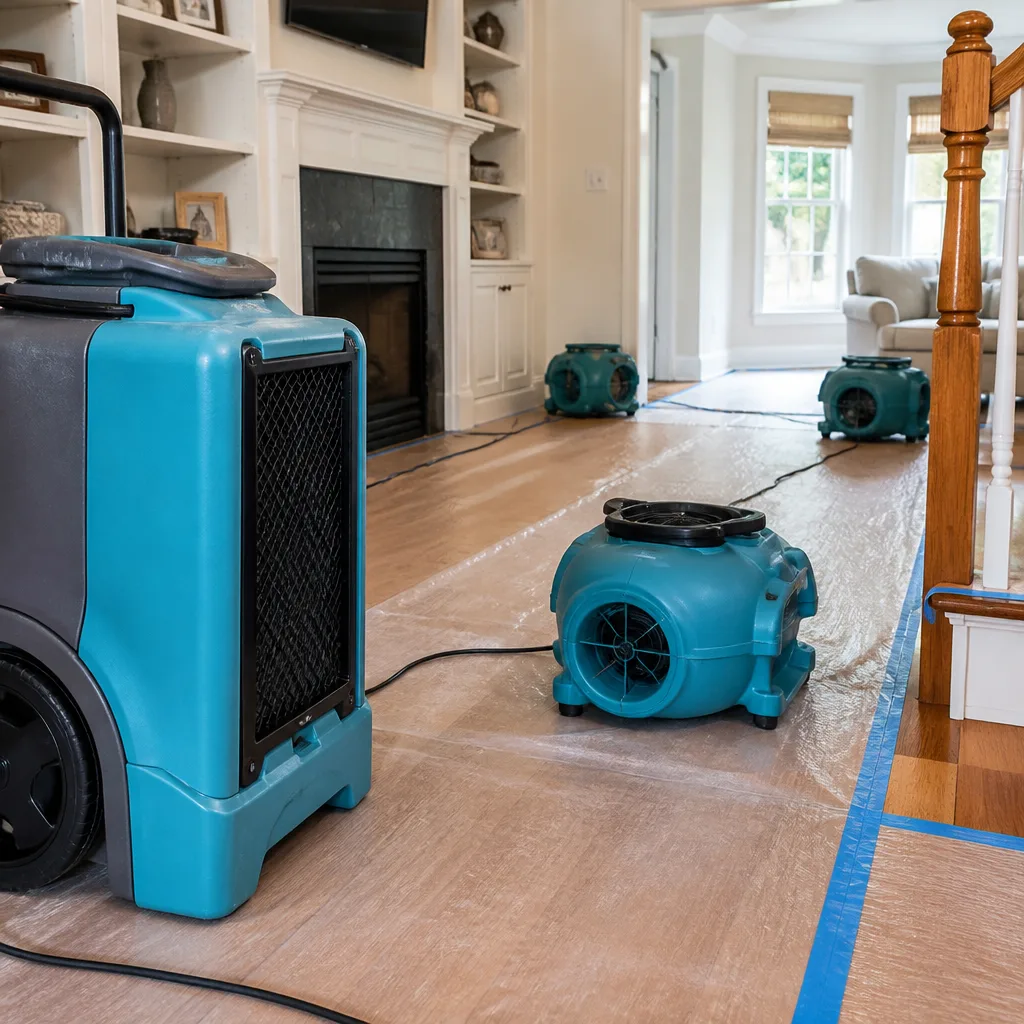
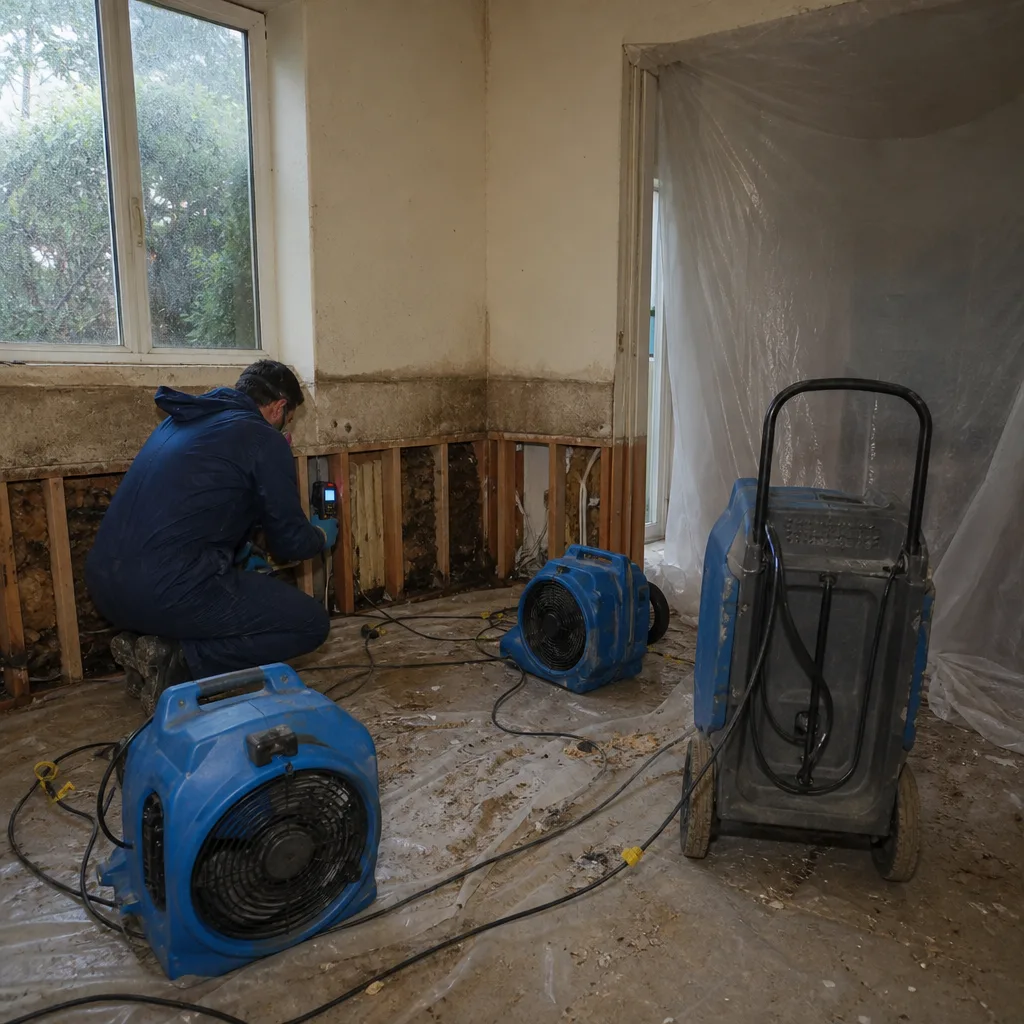
Chatsworth slab homes hold water in ways crawlspace houses don’t. Moisture travels laterally under vinyl and tile, then wicks up into baseboards and drywall. We run Dri-Eaz LGR 7000 dehumidifiers, XPOWER air movers, and Injectidry panel systems to pull water out of wall cavities without tearing out every stud bay. Daily moisture mapping tells us exactly when the structure is actually dry, not just when the surface feels dry.
Flooded Basement in Chatsworth
A Flooded Basement in Chatsworth isn’t always a basement in the conventional sense; many lower levels here are daylight basements or garages cut into the slope below street grade. When the Santa Susana Pass channels storm runoff over the road and across your driveway, that water finds the nearest low point, and the lower level is usually it. Flash flooding in this area can push 2 to 3 inches of muddy water into a finished lower level within minutes. Most lower-level extractions and dry-outs in Chatsworth run $2,200 to $5,500 depending on finished surfaces and whether sewage or mud intruded. Two sub-headings explain what we’re actually doing when we arrive:
Mud, Debris, and Category Classification
Runoff from the Pass isn’t clean water. It’s carrying silt, landscape debris, and whatever it picked up crossing Topanga Canyon Boulevard or Mason Avenue. That’s why we classify every flood by water category before we touch it, and we set up containment when the category is 2 or 3. If the cast-iron waste line also cracked during the event, that’s a separate conversation about sewage and what has to be packed out.
Structural Drying Under Finished Lower Levels
Water trapped under laminate or behind drywall in a Chatsworth lower level won’t dry on its own, especially during the cooler months when the coastal fog lingers. We use floor mat systems and desiccant drying to pull moisture from the slab and the wall cavities at the same time. The goal is to leave the lower level structurally dry and stable before any rebuild conversation even starts.
Trusted Brands We Service in Chatsworth
When water is actively damaging a Chatsworth home, the brand of the equipment matters more than most homeowners realize. We stock professional-grade gear from Dri-Eaz, Phoenix, and XPOWER, and our crews carry the Injectidry panel systems that make wall-cavity drying possible without gutting the room. For Chatsworth customers, that means we don’t have to wait on a supplier or sub a specialty dryer from another company. The equipment is on the truck, our technicians know how to load it out for a slab home, and we keep common replacement parts on hand so a failed fitting doesn’t stall your dry-out. Real gear, run right, priced in writing.
See the difference
 Before
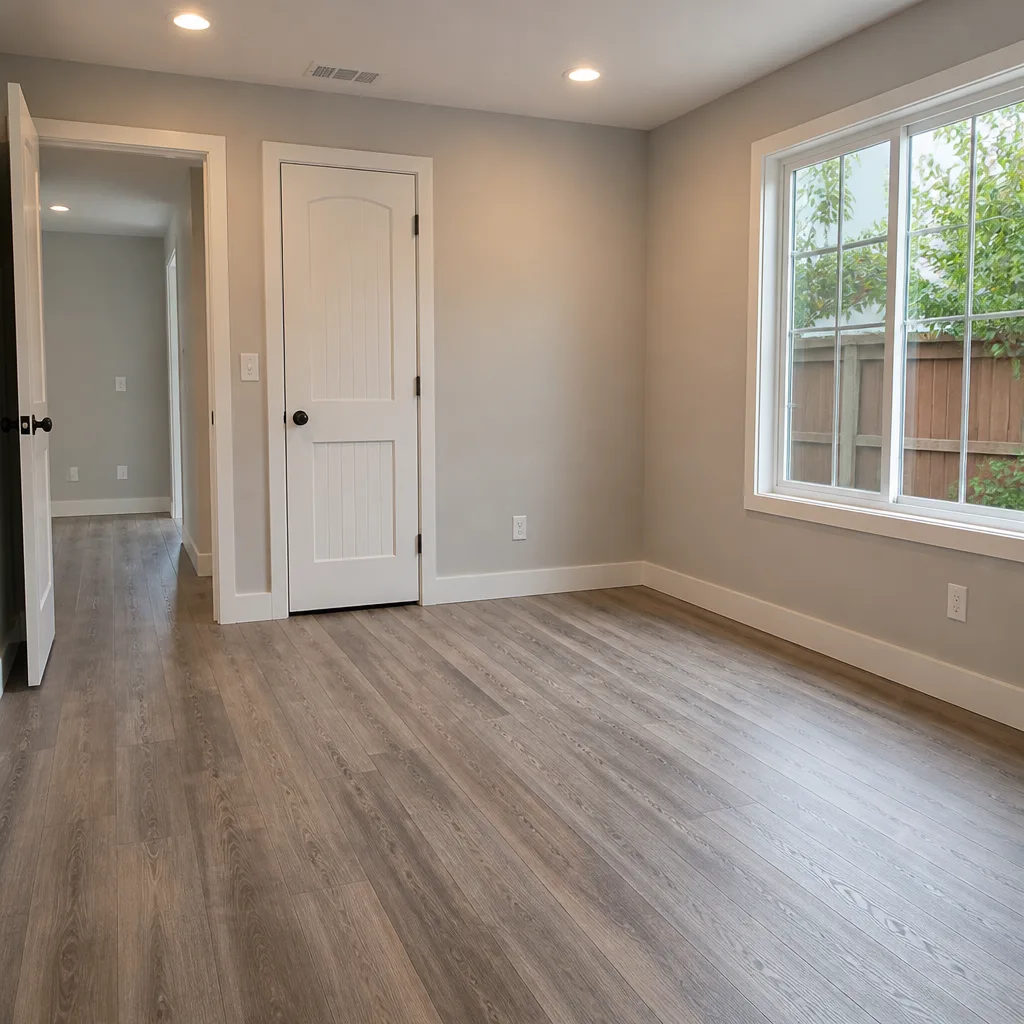 After
After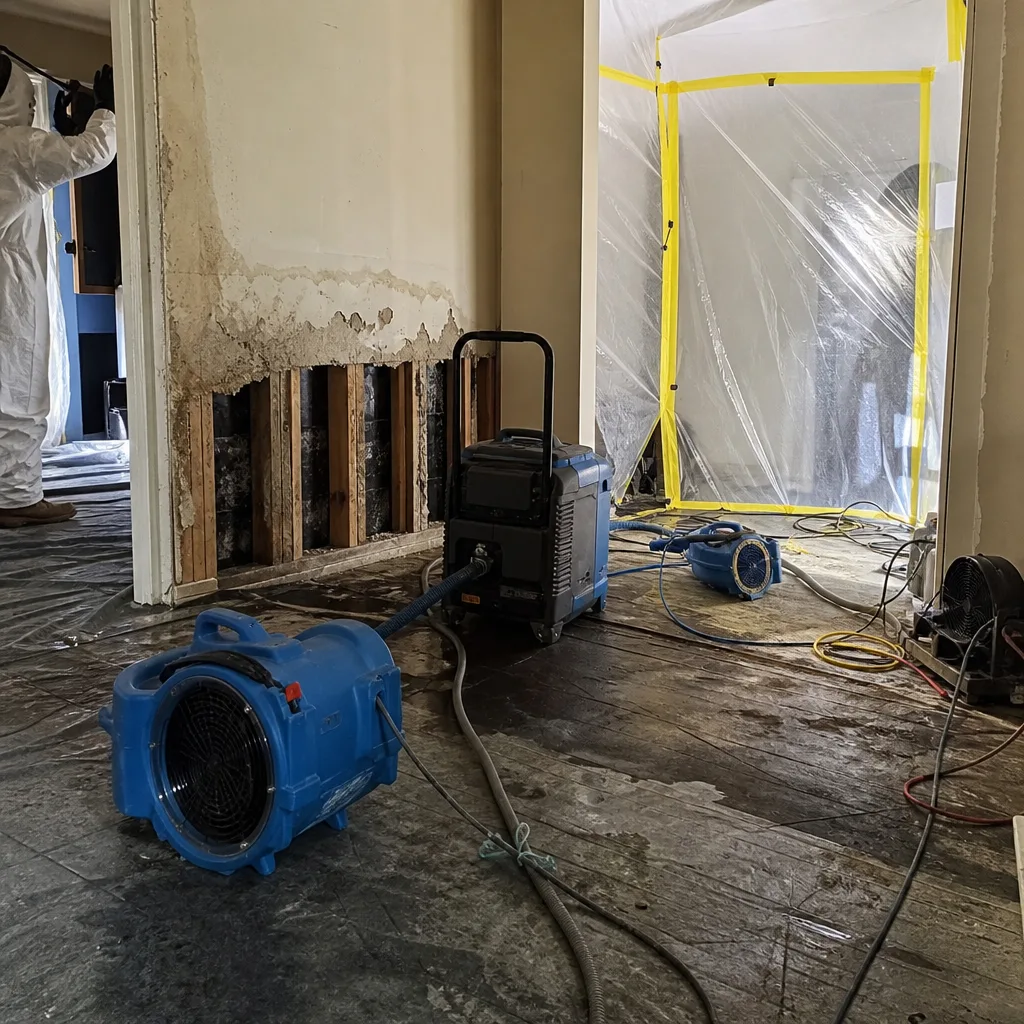 Before
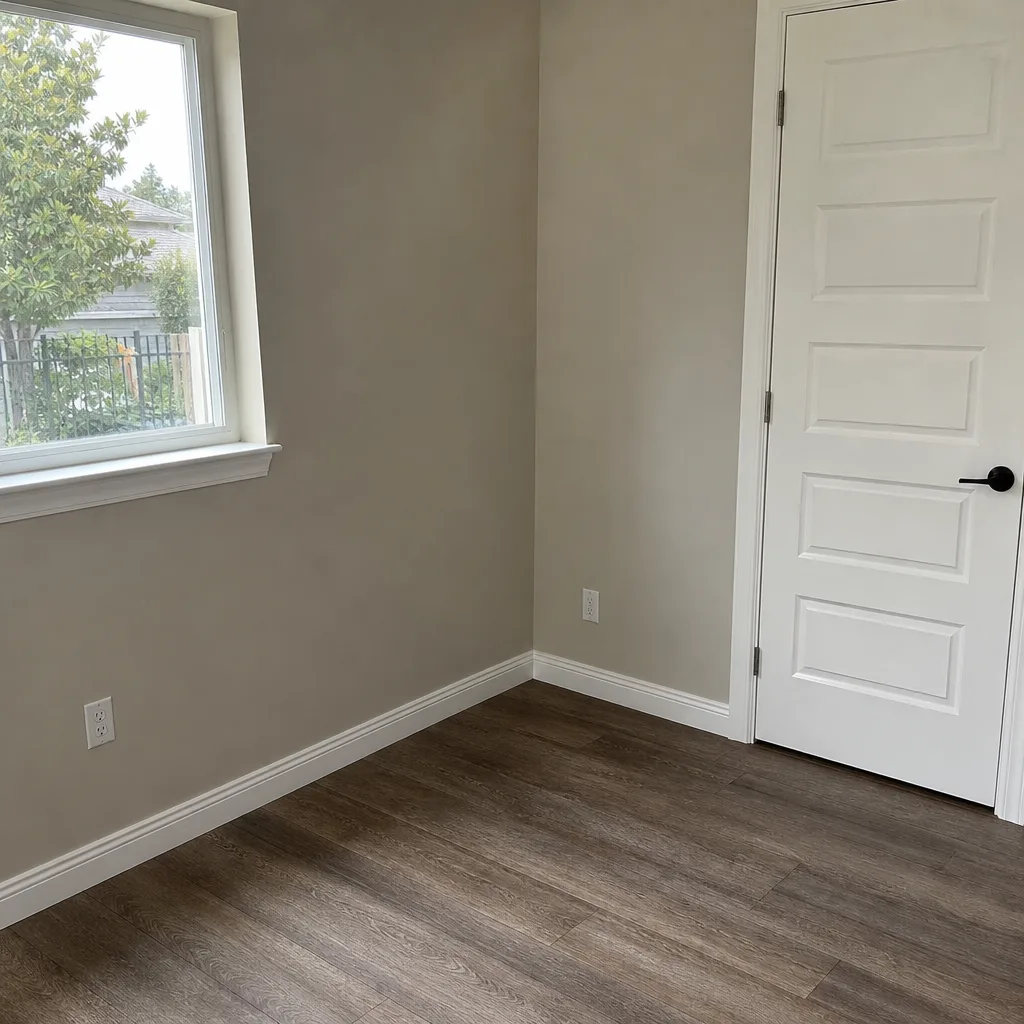 After
After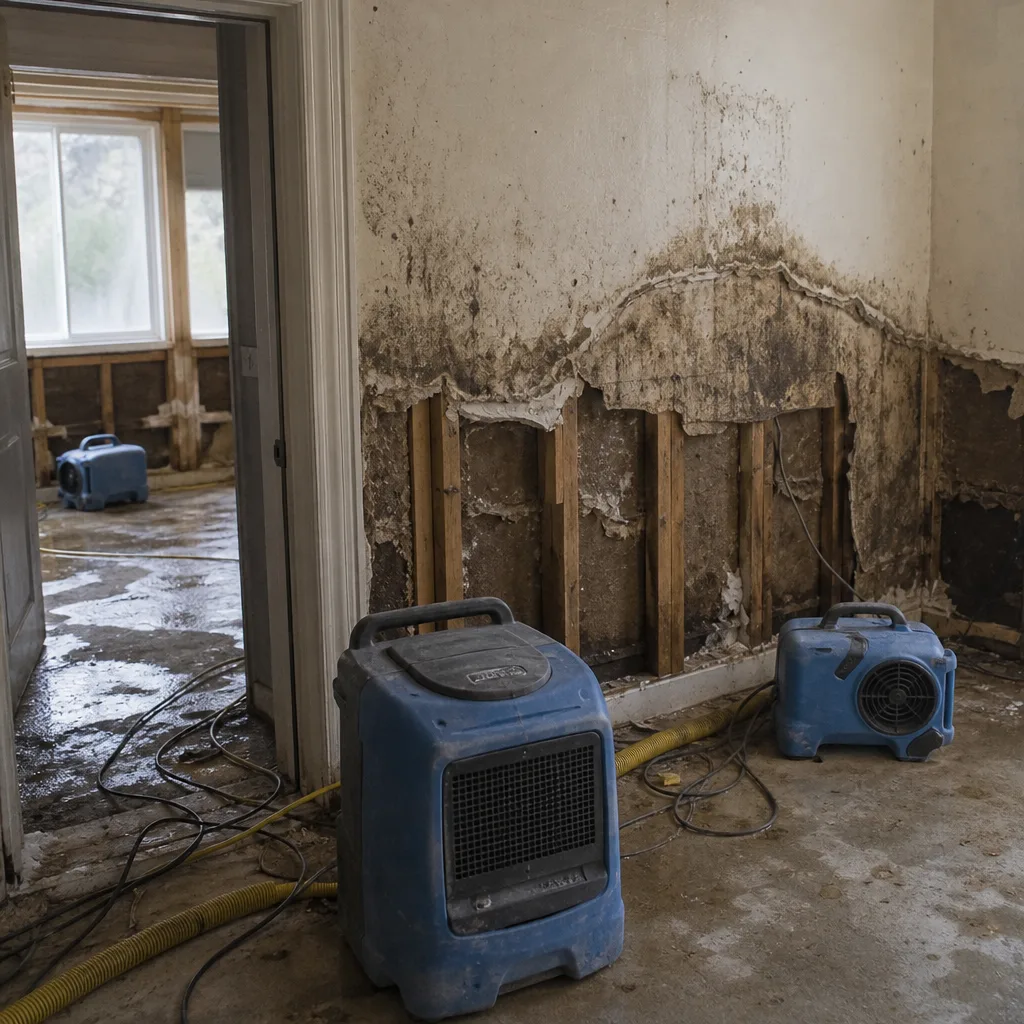 Before
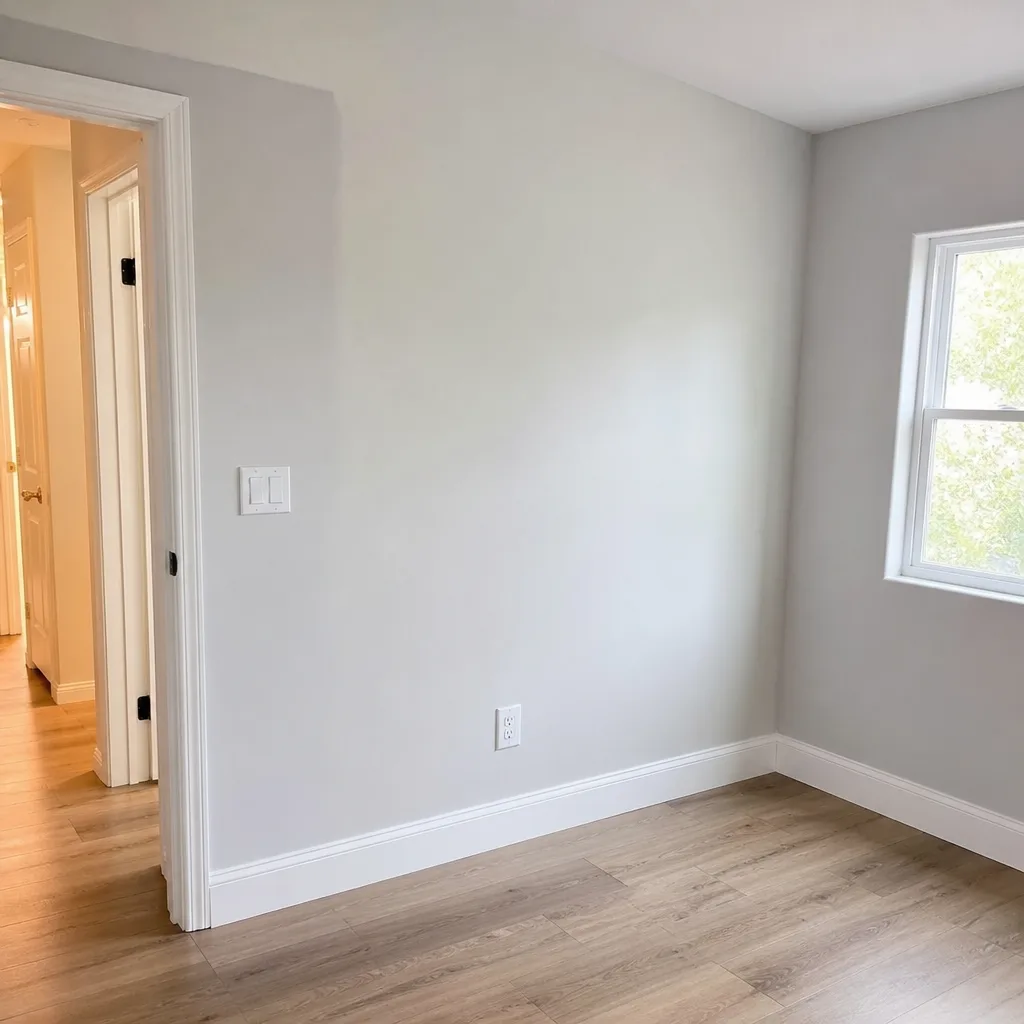 After
AfterCommon Water Damage Restoration Problems We See in Chatsworth Homes
Chatsworth’s specific combination of 1950s to 1970s housing stock, expansive clay soil, and Santa Susana Pass runoff creates failure patterns we see again and again. Here are the four most common:
- Cast-iron drain pipe cracks under slab foundations. The expansive clay in Chatsworth’s flatlands swells and shrinks with every wet-dry cycle, and over 50 years that movement fractures cast-iron waste lines below the slab. Homeowners often don’t know until sewage starts backing up or water seeps through the floor, and by then it’s a full restoration job, not a plumbing call.
- Flash-flood intrusion into garages and finished lower levels. The Pass funnels stormwater down the canyons and across Devonshire Street and Lassen Street. When the ground saturates, water sheets across driveways and into attached garages. We routinely find baseboards in the den or a bedroom soaked even though the garage door looked dry.
- Wind-driven rain behind stucco and old single-pane windows. Santa Ana events don’t just carry embers; they push rain sideways into stucco cracks, and old single-pane aluminum frames let water run down inside the wall cavity. Without quick drying and antimicrobial treatment inside those cavities, the studs start to hold moisture, and that’s when a small leak becomes a mold problem.
- Under-dried slab homes after a quick extraction. A contractor who shows up, sucks up the standing water, and sets two fans has not dried a Chatsworth slab home. Water remains under the flooring and behind baseboards. When we follow another company’s failed dry-out, we find exactly this pattern: the surface was dry, the slab wasn’t, and mold bloomed within two weeks.
Pricing for Water Damage Restoration in Chatsworth, CA
Chatsworth water damage restoration jobs typically fall into a few predictable ranges, and it’s fair to know what you’re walking into before you call. A standard water mitigation with extraction and structural drying in a single room runs $1,800 to $3,500. A flooded lower level with mud intrusion and finished surfaces generally falls between $2,200 and $5,500. When a cast-iron drain line breaks and we’re doing a full pack-out with sewage protocol, the scope lands between $6,000 and $14,000 depending on how many rooms are affected and what has to be removed. The two biggest variables in Chatsworth are whether the water carried silt from the Pass, which adds labor to every step, and whether the slab is holding moisture long after the visible water is gone. We give you the written price before any work starts, and that number doesn’t move at the door. Call (805) 309-3324 for a free estimate on your specific situation.
We Also Serve Cities Near Chatsworth
Our crews run the same routes through the west Valley and the hills, so we’re set up to respond fast whether you’re in Chatsworth or one of the neighboring communities. If you’re in Canoga Park, West Hills, Calabasas, or Topanga, the process is the same: live person on the phone, written price before work starts, and the 365-Day Done Right Promise behind every repair. For more on how we work city by city, see Water Damage Restoration or our page on Water Damage Restoration in Chatsworth.
Serving Chatsworth, CA - Our Local Coverage Area
We’re based in the Chatsworth area and know this community well. Use the map below to see our service coverage - if you’re nearby, we can almost certainly help.
FAQs About Water Damage Restoration in Chatsworth
Floodwater from the Santa Susana Pass can push 2 to 3 inches of muddy water into garages and lower levels within minutes during a heavy winter downpour. Chatsworth sits at the mouth of the Pass, so runoff that starts up Topanga Canyon moves across the flatlands much faster than it does in neighboring Northridge or Canoga Park, which drain more gradually. That speed means homeowners don’t get a window to move furniture or block doorways. If you’re in the flood path near Lassen Street or Devonshire Street, call us the moment water starts moving onto your property. Every minute of delay adds moisture load to the slab and the drywall, and that drives up the scope. Reach us at (805) 309-3324 for immediate dispatch.
Chatsworth’s flatlands sit on expansive clay soil that contracts in the dry summer and swells during winter rains, and over 50 to 60 years that repeated movement cracks cast-iron drain pipes beneath slab foundations. The pipes fail from below while the homeowner sees no visible warning: no puddle, no running water, just a slow seep through the slab that wicks into drywall and baseboards. By the time a stain appears or the floor feels warm, the damage has usually spread much further than the pipe itself. Our jobs frequently start as a plumbing failure and end as a full containment and pack-out because water had been moving under the slab for weeks before it showed. If your Chatsworth home still has its original cast-iron waste lines, treat any unexplained moisture as a restoration issue, not a surface stain.
Yes, and this is one of the most under-called water damage scenarios we see in Chatsworth. Santa Ana winds drive rain sideways under eaves, behind stucco cracks, and around old single-pane aluminum window frames. The roof can look completely intact while water is running inside the wall cavity, soaking insulation and studs. Left untreated, that moisture supports mold growth and weakens the framing, even if you never see a drop on the floor. If your Chatsworth home just went through a strong wind event, check for softened drywall around windows, a musty smell, or paint beginning to bubble along exterior walls. We can do a moisture assessment before the damage gets worse.
Water damage restoration itself, meaning extraction, drying, antimicrobial treatment, and removing damaged drywall, does not require a city permit in Chatsworth because it’s considered mitigation, not construction. The plumbing repair that often triggers the restoration, like replacing a cracked cast-iron waste line under the slab, does require a permit and a licensed plumber. Rebuild work, such as re-framing a wall or replacing drywall after a pack-out, may also require permits depending on the scope. We work alongside Chatsworth homeowners and their plumbers to make sure the restoration sequence is documented properly, and we don’t cut corners on the code side just to move faster.
Structural drying on a Chatsworth slab home typically takes 3 to 5 days when the right equipment is deployed on day one. The variable is the concrete slab itself, which holds moisture much longer than the drywall above it. Our crews use Dri-Eaz LGR dehumidifiers, XPOWER air movers, and floor mat systems to pull water from the slab and wall cavities simultaneously, and we run daily moisture mapping until the numbers prove the structure is dry. If someone tells you the job is done in 24 hours on a slab home, be skeptical. You can’t rush psychrometrics. And if the drying doesn’t hold, our 365-Day Done Right Promise means a free return visit. Call (805) 309-3324 to get the process started.
Written by Shane Pruitt, Owner at Keegan Restoration Thousand Oaks, serving Chatsworth and the surrounding San Fernando Valley communities.